Last Updated April 25th, 2024 at 10:37 am by Lisa
Homemade Herb Butter: Your Ultimate Flavor Secret
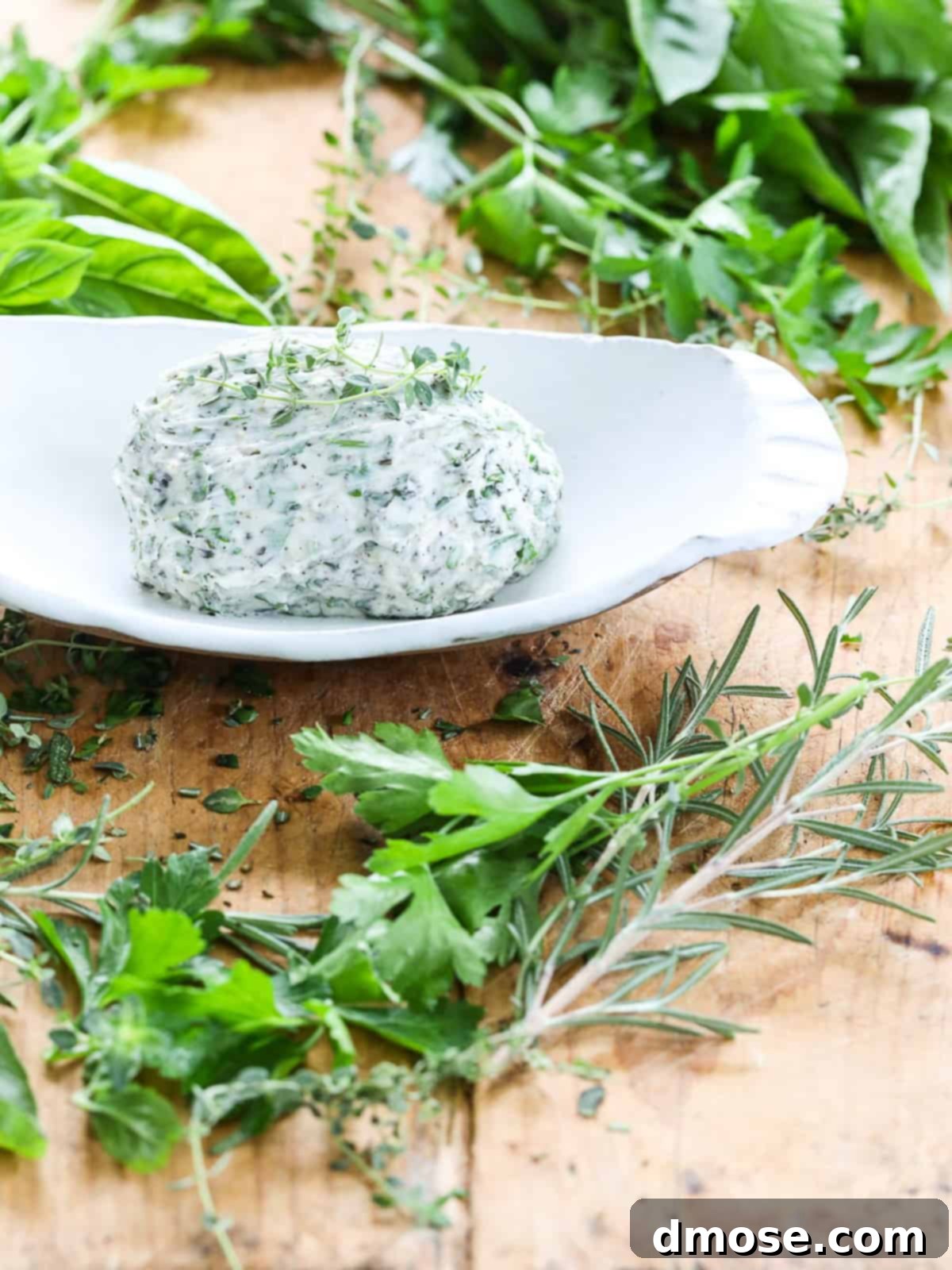
Elevate your everyday cooking with homemade herb butter, a simple yet transformative condiment that promises to infuse rich, aromatic flavors into countless dishes. This versatile compound butter is incredibly easy to make, requires just a few basic ingredients, and can be prepared in advance, saving you precious time in the kitchen. Whether you’re looking to enhance a weeknight meal or impress guests with a gourmet touch, this herb butter recipe is your secret weapon. Prepare to transform ordinary meals into extraordinary culinary experiences!
The Magic of Compound Butter: What is It?
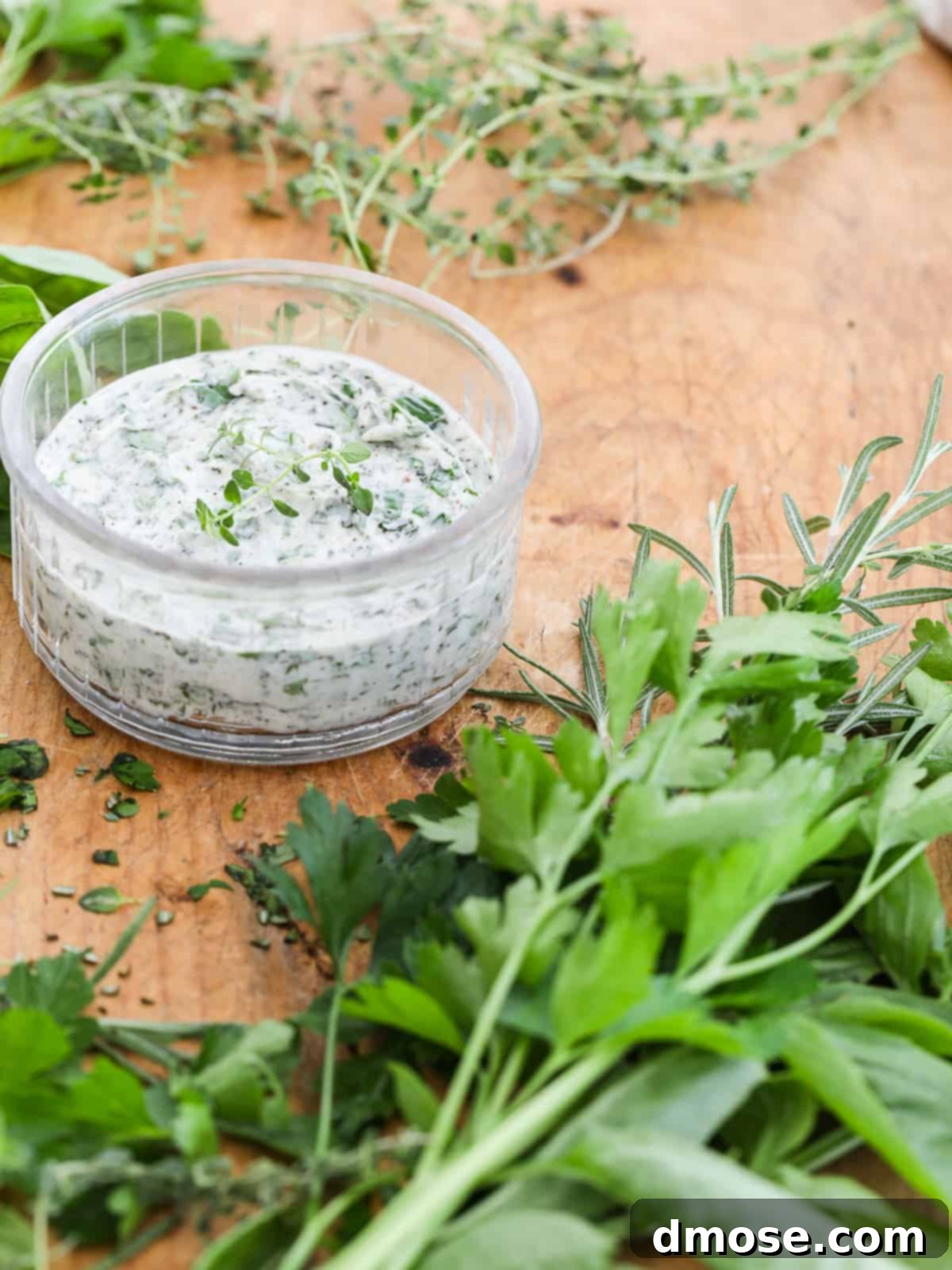
Compound butter is essentially softened butter mixed with other ingredients like fresh herbs, spices, garlic, citrus zest, or even sweet additions. This simple technique allows you to create an incredible flavor enhancer that can be used in a myriad of ways. Unlike plain butter, compound butter offers a burst of seasoned flavor with every melt, making it a favorite among home cooks and professional chefs alike. It’s an effortless way to add depth and complexity to your dishes, transforming them from good to truly memorable.
Once you discover the delightful taste and versatility of this homemade herbed butter, you’ll find yourself reaching for it constantly. It’s perfect for melting over roasted vegetables, swirling into hot pasta, adding a savory finish to sizzling grilled steaks, or simply spreading on warm baguettes, tea sandwiches, or dinner rolls. This recipe provides a foundational base, inviting you to customize it to your heart’s content. For instance, creating a garlic herb compound butter is as simple as adding a couple of finely crushed garlic cloves. This garlic herb butter is particularly fantastic with steaks, baked or smashed potatoes, artichokes, and toasted bread, offering a robust flavor profile that complements a wide range of ingredients.
Classic Herb Butter Recipe: Simple Ingredients, Incredible Flavor
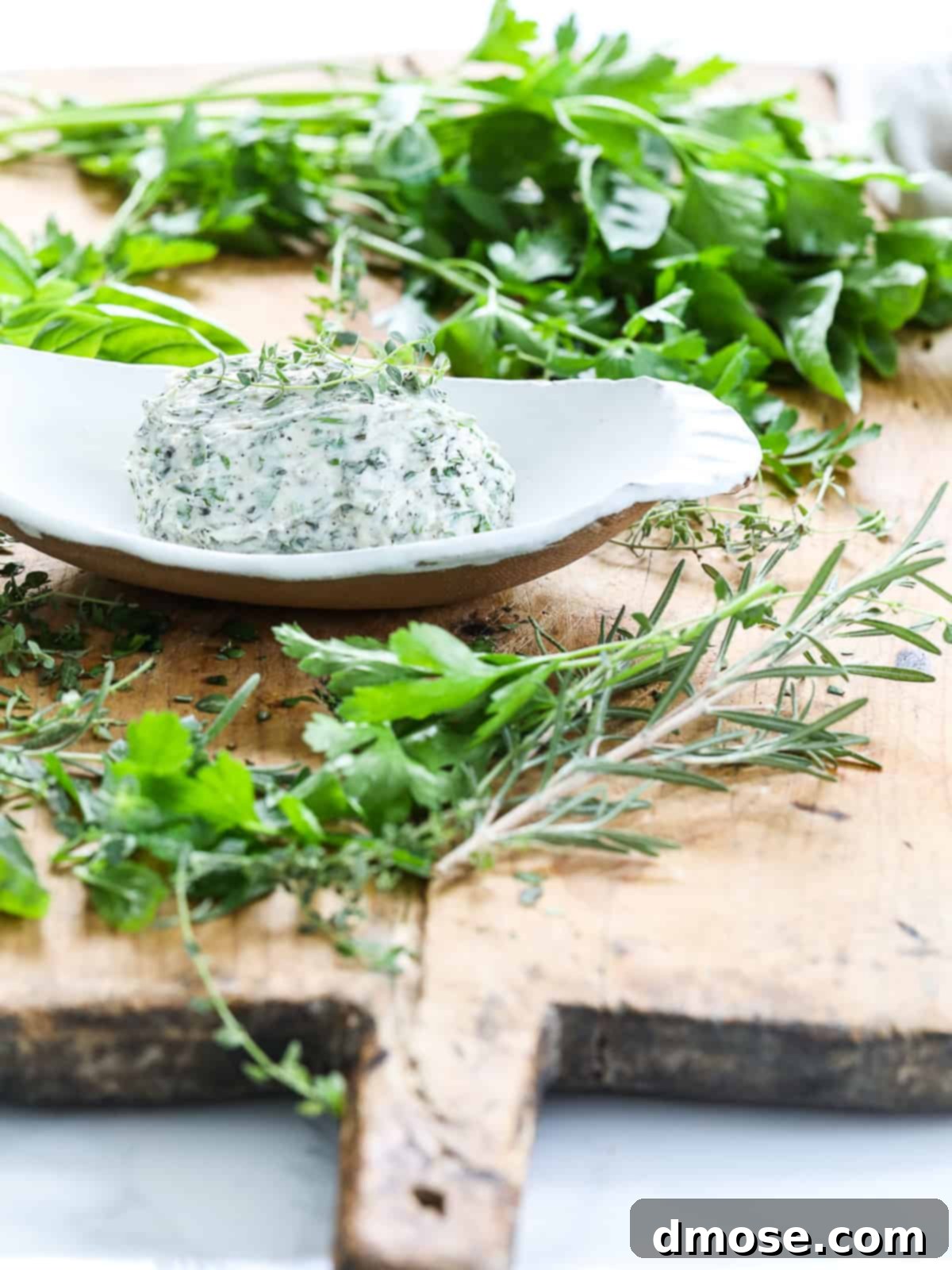
Crafting your own herb butter is surprisingly straightforward, requiring only a handful of ingredients. The key to its rich flavor lies in using high-quality butter and fresh herbs. This recipe serves as an excellent starting point, which you can then adapt with your favorite herb combinations and additional seasonings.
Ingredients:
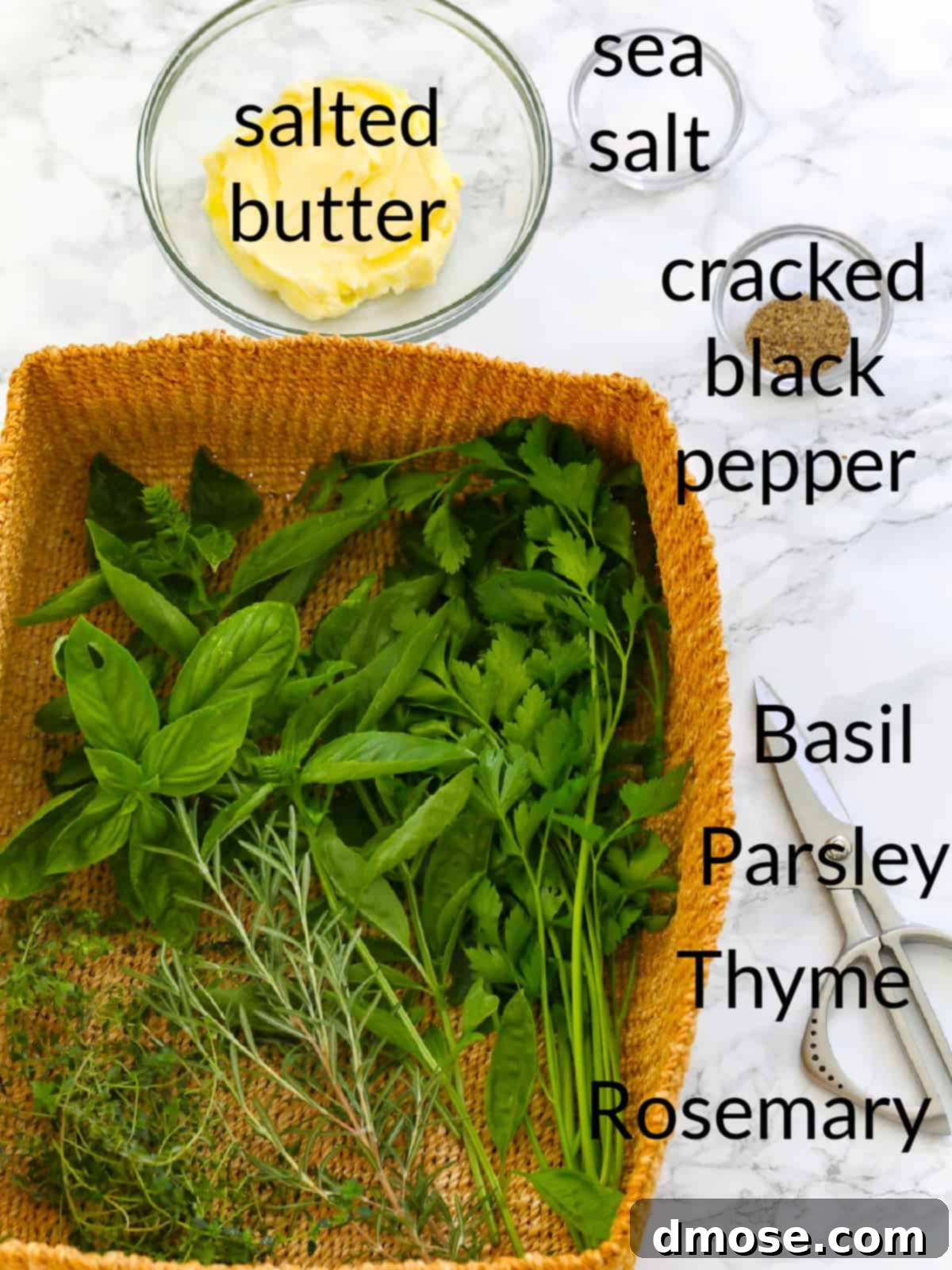
- ½ cup (1 stick) **unsalted butter**, softened at room temperature (we recommend unsalted so you can control the salt level)
- ¼ cup **fresh herbs**, finely minced (a classic blend includes rosemary, parsley, thyme, and basil)
- ½ teaspoon **sea salt** (adjust to taste, especially if using salted butter)
- 1 teaspoon fresh cracked **black pepper**
To ensure your herb butter has the best texture and flavor, start with quality butter. Allow it to come to a true room temperature, which usually takes about 2 hours, or speed up the process by cutting it into small cubes. This ensures the butter is soft enough to easily incorporate the herbs and seasonings, resulting in a smooth, evenly flavored mixture.
How to Mix and Prepare Your Herbed Butter
The preparation process is quick and enjoyable, even for novice cooks. The secret to beautifully fragrant herb butter lies in finely mincing your fresh herbs and properly softening your butter.
PRO TIP: To soften butter faster, cut the cold stick into small cubes and spread them out on a plate. They will reach room temperature much quicker than a whole stick!
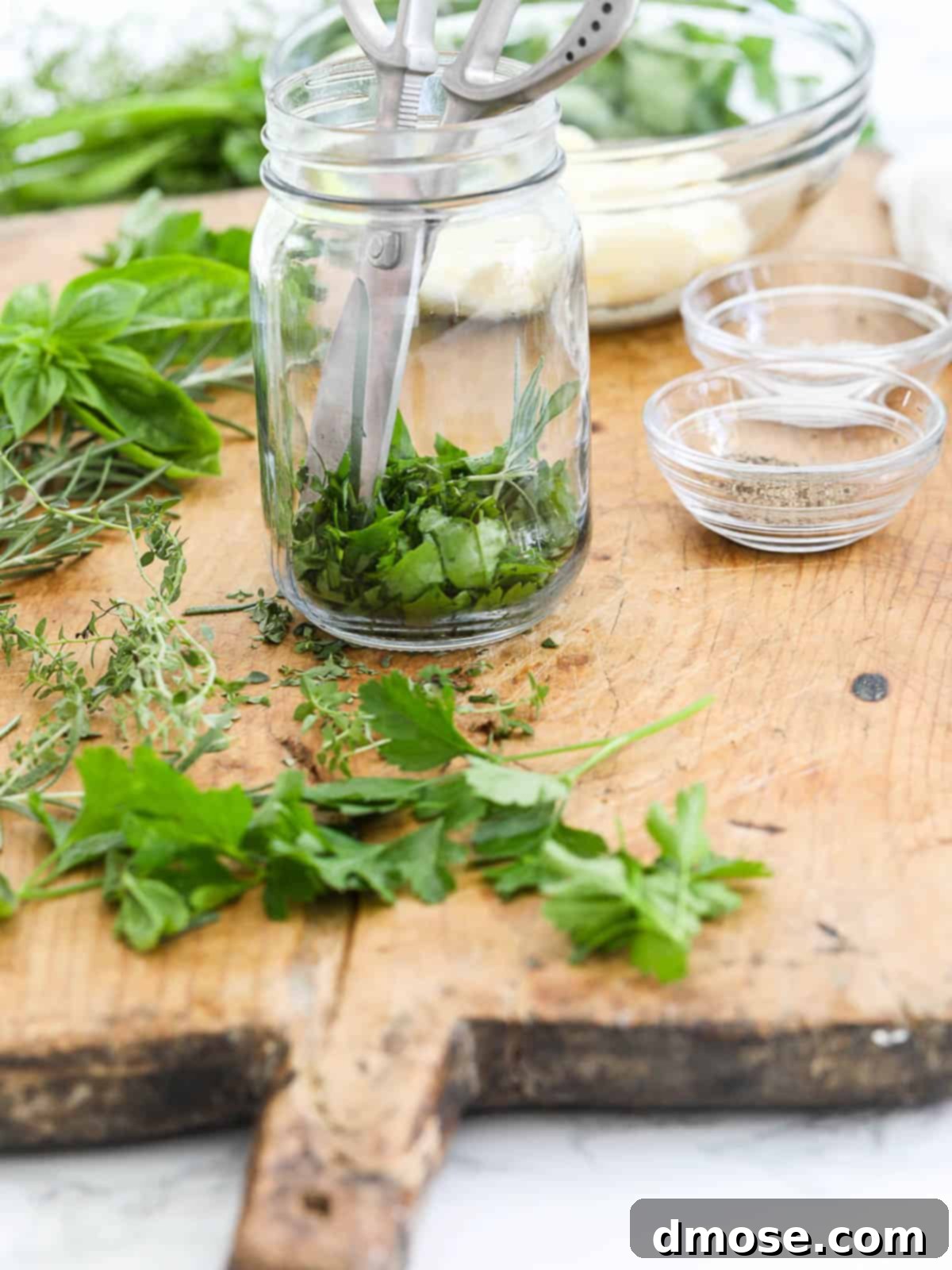
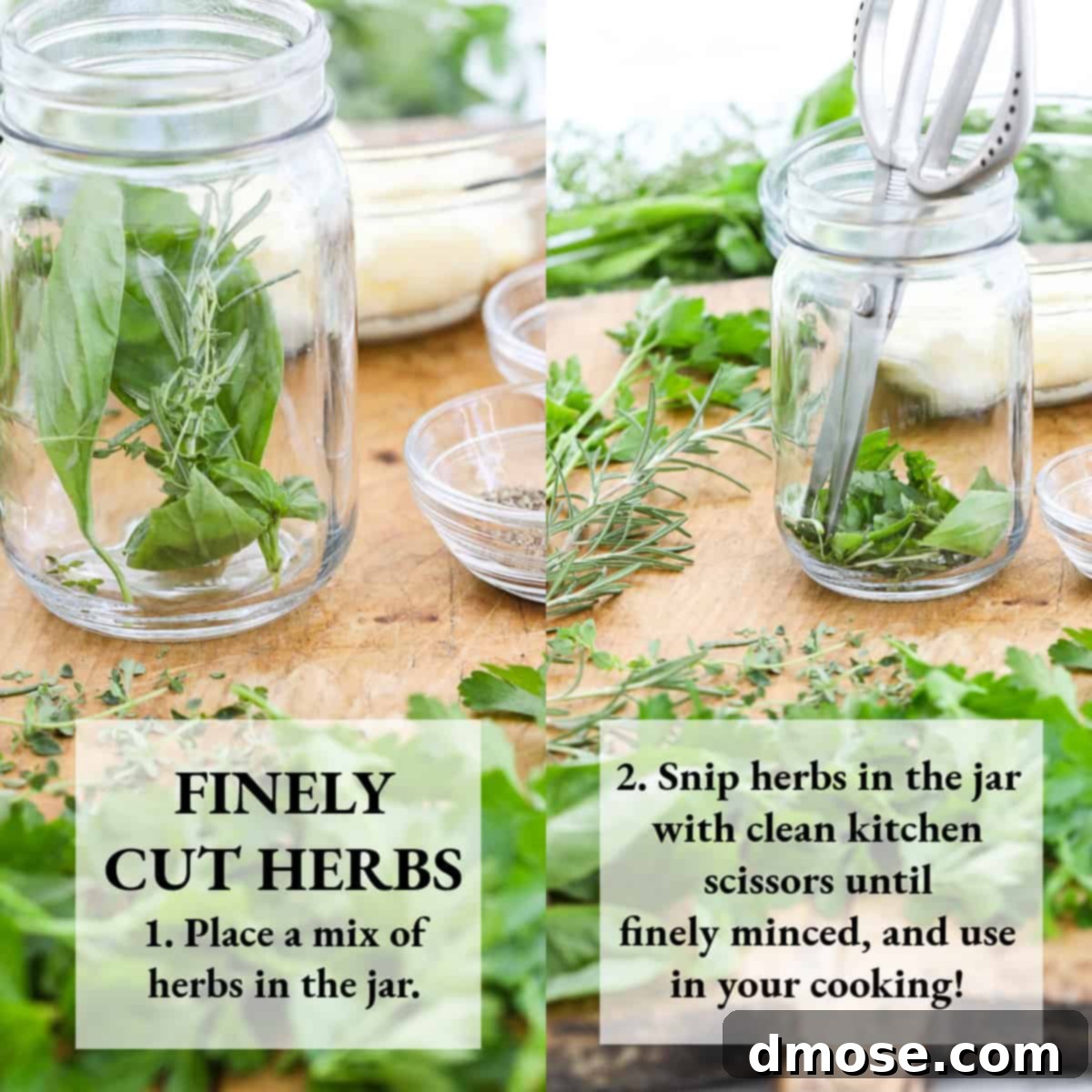
Once your butter is perfectly softened, it’s time to prepare your herbs. Finely chop your chosen fresh herbs on a cutting board with a sharp chef’s knife. For a quick and easy method, try snipping fresh herbs directly into a small mug or glass jar using clean kitchen scissors until they are finely minced. This technique is not only efficient but also keeps your cutting board clean.
In a small mixing bowl, combine the softened butter, the ¼ cup of finely chopped herbs, ½ teaspoon of sea salt, and 1 teaspoon of fresh cracked black pepper. Use a spatula to thoroughly mix all the ingredients until they are well combined and the herbs are evenly distributed throughout the butter. The mixture should be smooth and fragrant.
Storing Your Homemade Herb Butter
Once mixed, your herb butter is ready for immediate use or storage. For short-term use, place your mixture in a small, airtight container with a lid, or simply cover the bowl with plastic wrap. It will stay fresh in the refrigerator for up to one week, ready to be spread on toast or melted over vegetables at a moment’s notice.
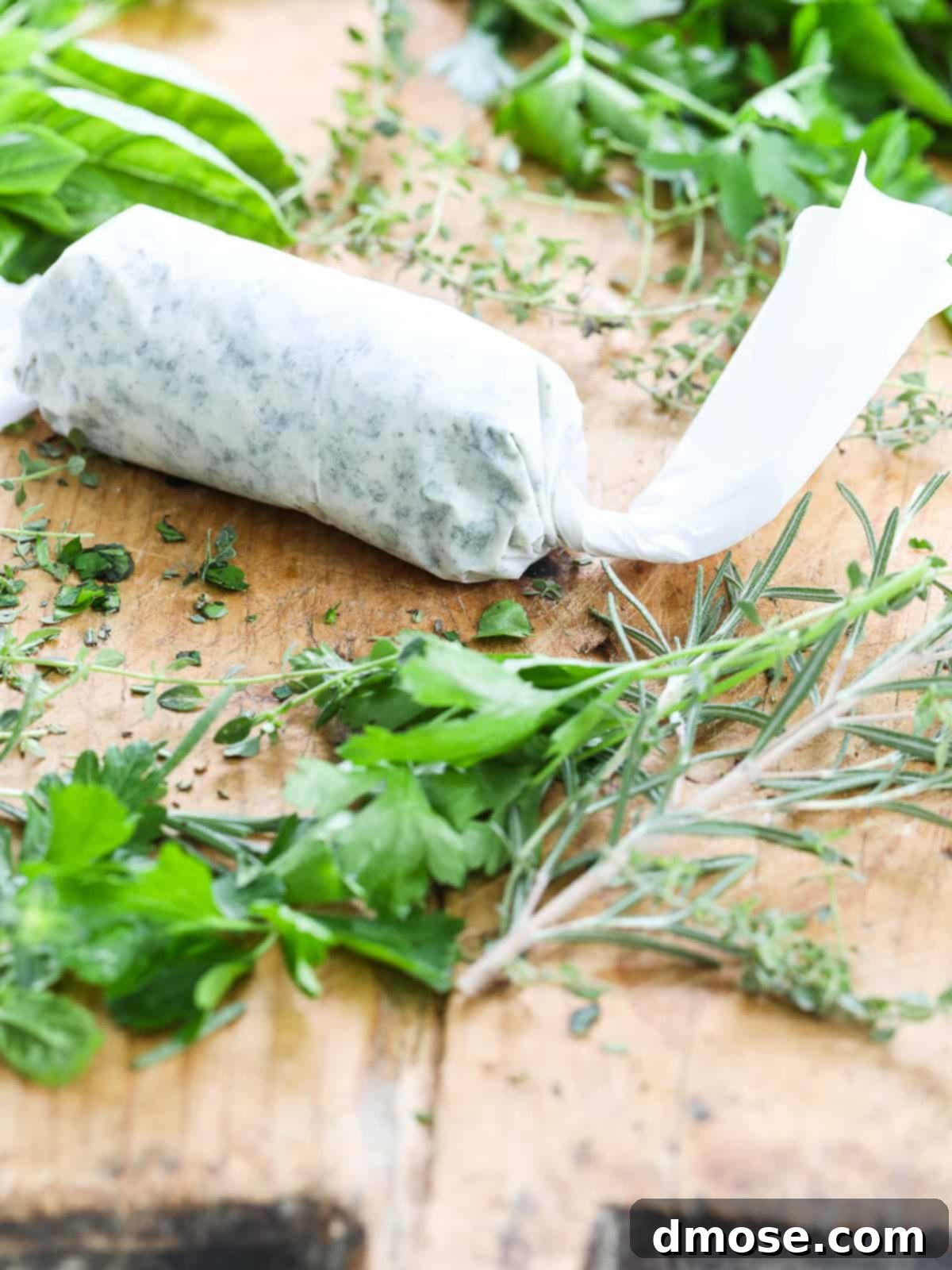
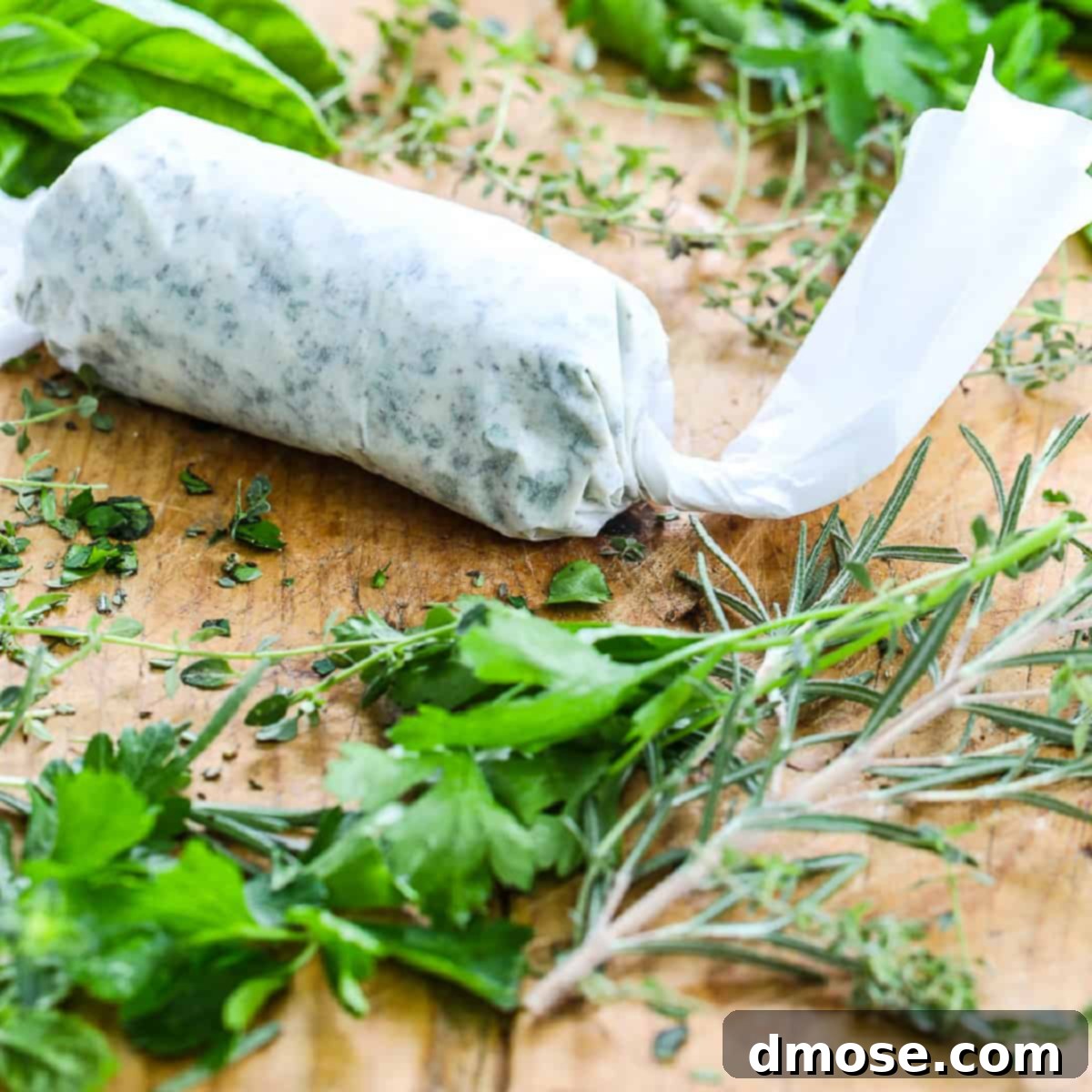
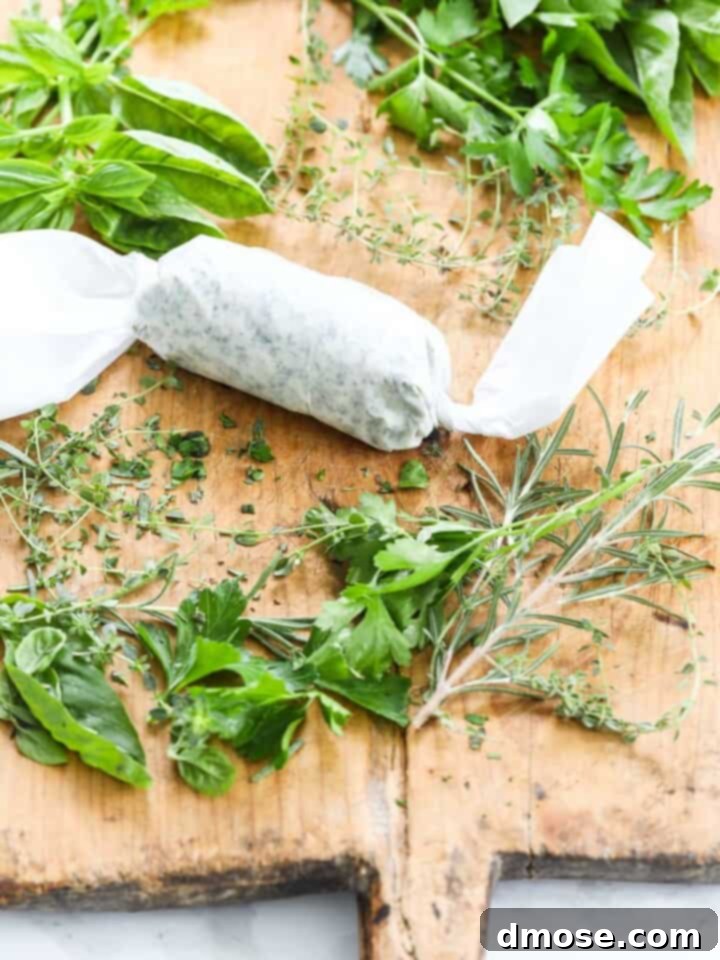
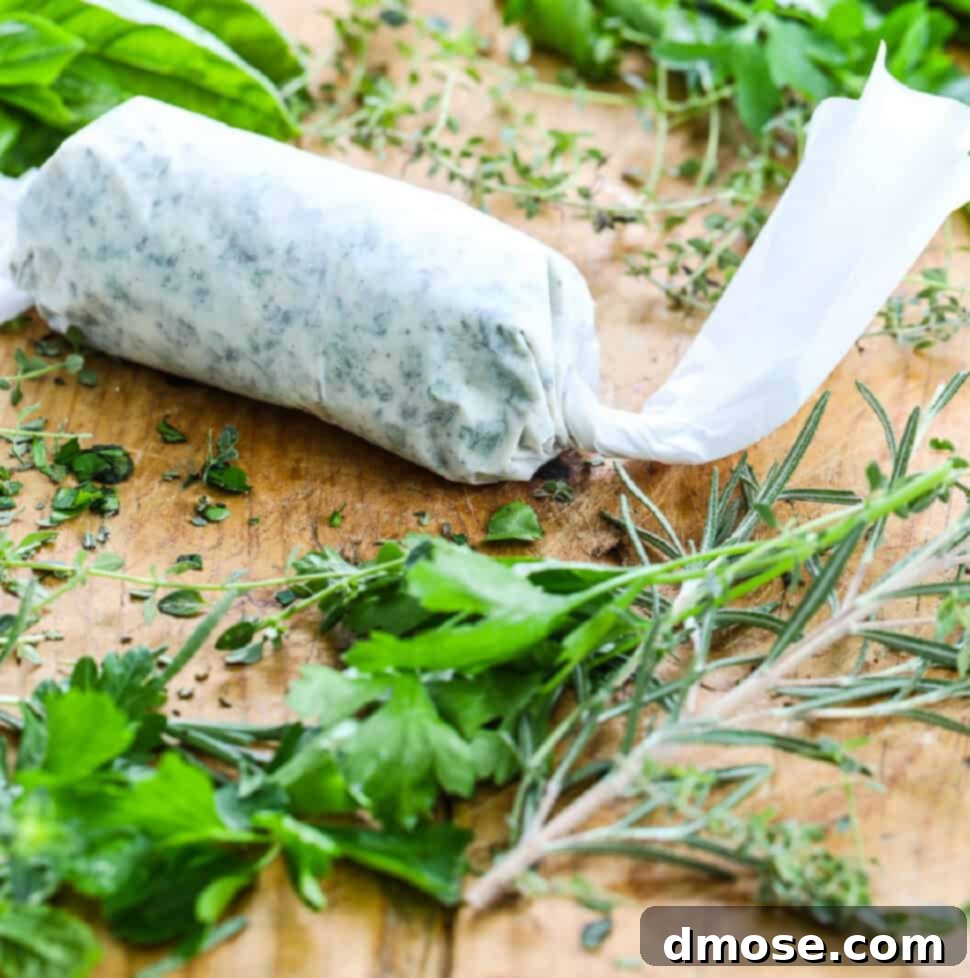
For longer storage, herb butter freezes beautifully. Spoon the mixture onto a piece of parchment paper or wax paper. Shape it into a log, roll it up tightly, and twist the ends closed like a candy wrapper. Place this log in a zip-top freezer bag, and it will keep in the freezer for up to four months. When you need it, simply slice off a coin from the frozen log or thaw it in the refrigerator. Alternatively, you can store it in a small sealed container with a lid in the fridge for about two weeks, offering a slightly longer refrigerated shelf life than a simple plastic wrap cover.
For more elegant presentations or party-ready portions, consider using silicone molds or traditional wood butter paddles to create various shapes. These methods are detailed further in the recipe notes below.
Fancy Butter Shapes for Parties and Special Occasions
Beyond simply spreading it, shaping your herb butter can add a delightful visual element to your table, especially for holidays or dinner parties. It’s a simple trick that elevates presentation without much extra effort.
Molded Shapes: For festive occasions, press your softened herb butter into leaf-shaped candy molds or any decorative silicone molds relevant to the holiday, such as trees for Christmas, hearts for Valentine’s Day, or bunnies for Easter. Once chilled, these molded butters pop out easily, creating beautiful, edible decorations.
Classic Coins: A method often taught in cooking schools, the “coin” shape is both practical and pretty. To achieve this, wrap the soft herb butter mixture into a log using parchment paper. Freeze it until firm, then slice it into ½-inch thick rounds, resembling coins. These individual portions are perfect for serving with bread or placing directly on a hot steak. Store the sliced coins in a freezer bag, frozen, and simply pull out a few whenever needed.
Butter Balls: For an artisanal touch, use small 1-inch cookie scoops to portion out semi-room temperature butter. Then, gently roll and shape these portions between wood butter paddles (often used for gnocchi) to create charming herb butter balls. These are wonderful for serving in a small dish with dinner rolls.
Container Storage for Portions: Regardless of the shape, store your shaped butter in a small covered container, a bowl wrapped in plastic wrap, or individually wrapped in parchment paper. Chill until firm enough to hold its shape, then bring to room temperature slightly before serving for easy spreading.
Expand Your Flavor Palette: More Herbs and Add-Ins
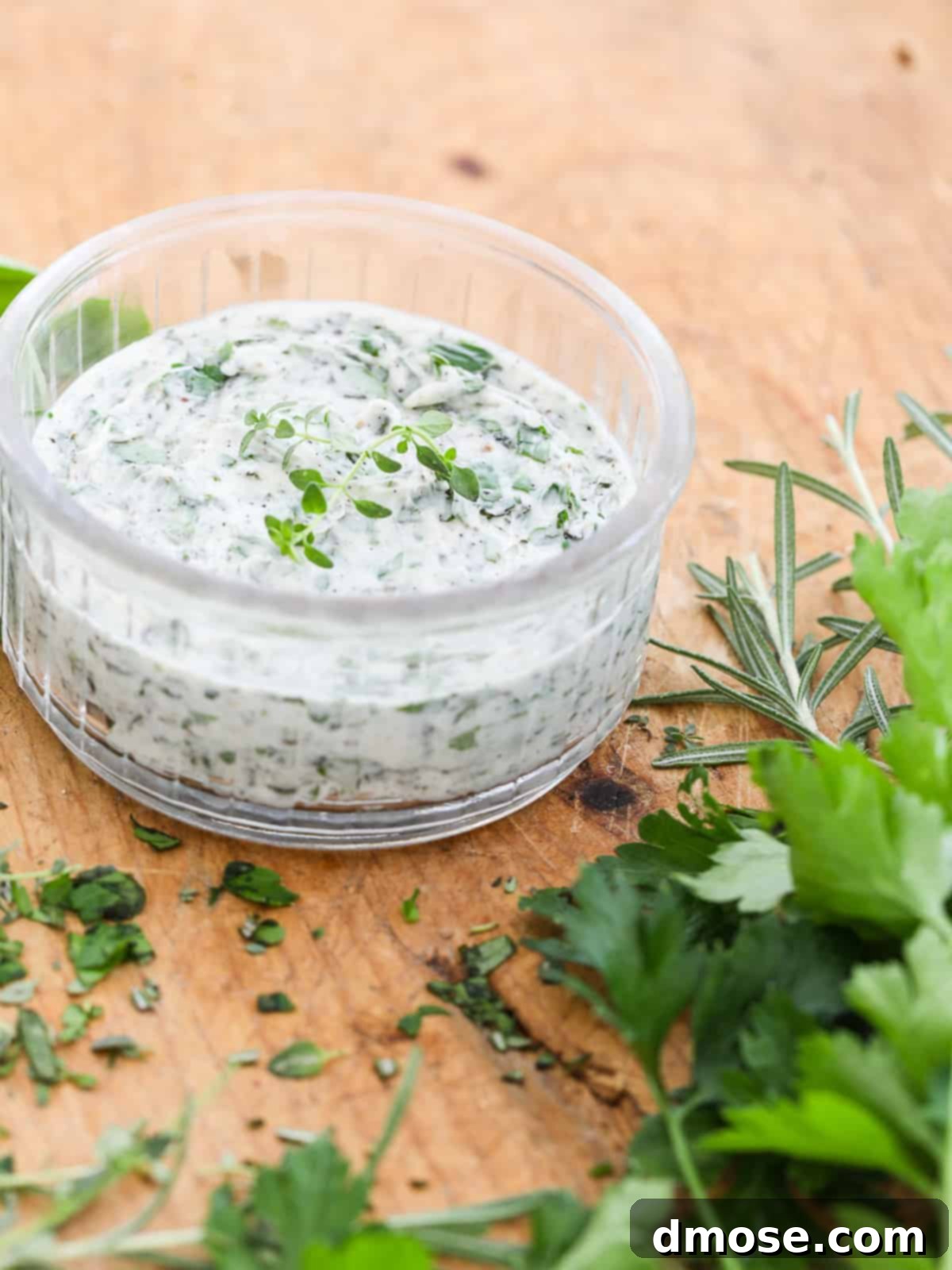
The beauty of this herb butter recipe is its adaptability. Consider this a blank canvas, inviting you to experiment with herbs and seasonal ingredients from your garden or local market. Customizing your compound butter is an excellent way to use up extra herbs you have on hand and explore new flavor combinations.
For fall, warm and earthy flavors like sage and rosemary are perfect. In the summer, brighten your butter with zesty lemon, fragrant basil, delicate dill, or pungent chives. The possibilities are endless!
Exciting Herb & Flavor Additions to Try:
- Fresh thyme (earthy, floral)
- Fresh rosemary (piney, aromatic)
- Crushed garlic (classic, pungent)
- Fresh sage (herbaceous, peppery, especially good with poultry)
- Fresh dill (bright, slightly anise-like, excellent with fish)
- Minced chives (mild onion flavor)
- Fresh tarragon (anise-like, sophisticated)
- Lemon zest or a squeeze of lemon juice (bright, acidic)
- Fresh oregano (robust, Mediterranean)
- Diced green onions (mild onion flavor, fresh crunch)
- A pinch of red pepper flakes (for a subtle kick)
- Sun-dried tomatoes, finely chopped (umami, rich)
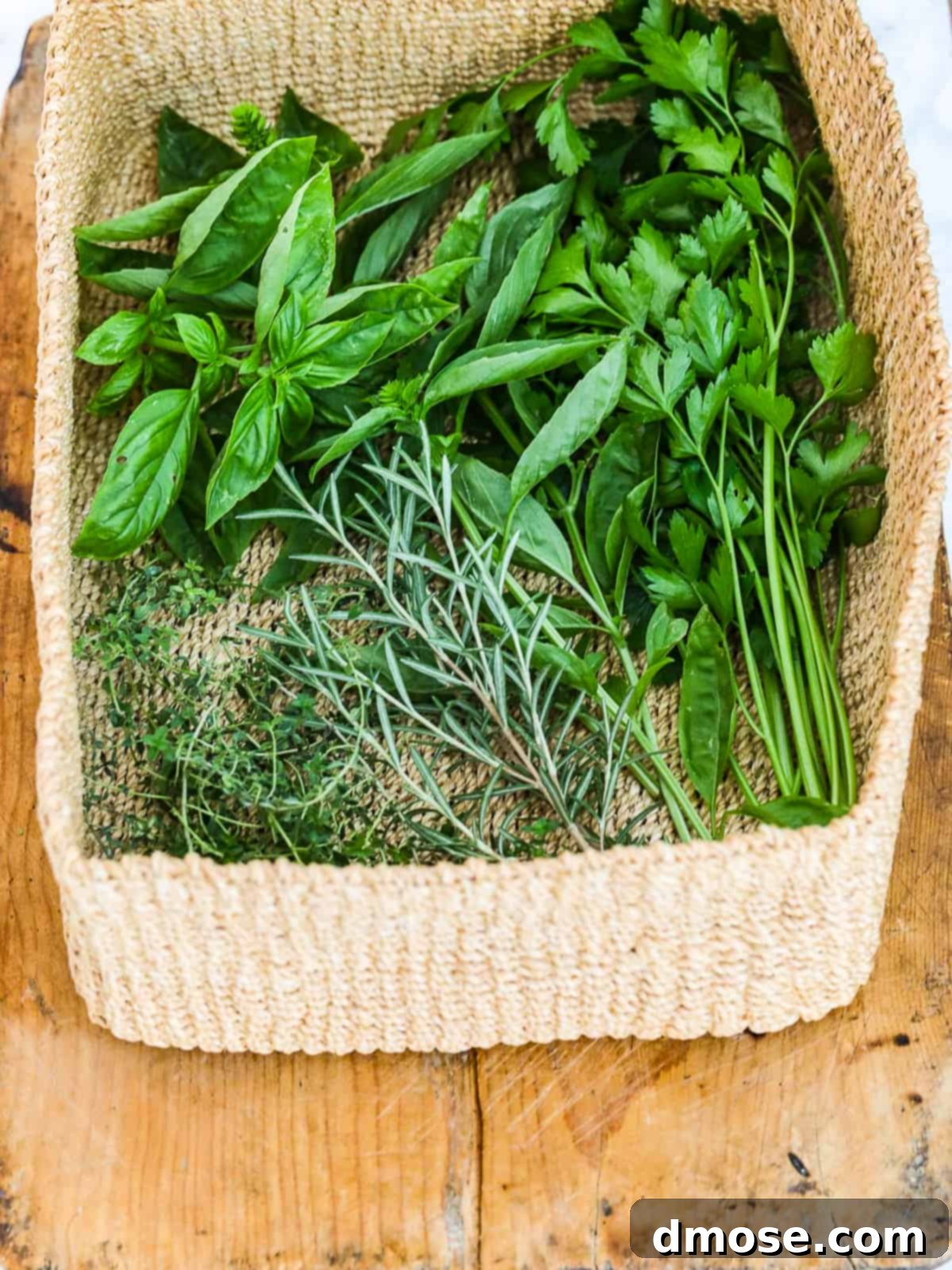
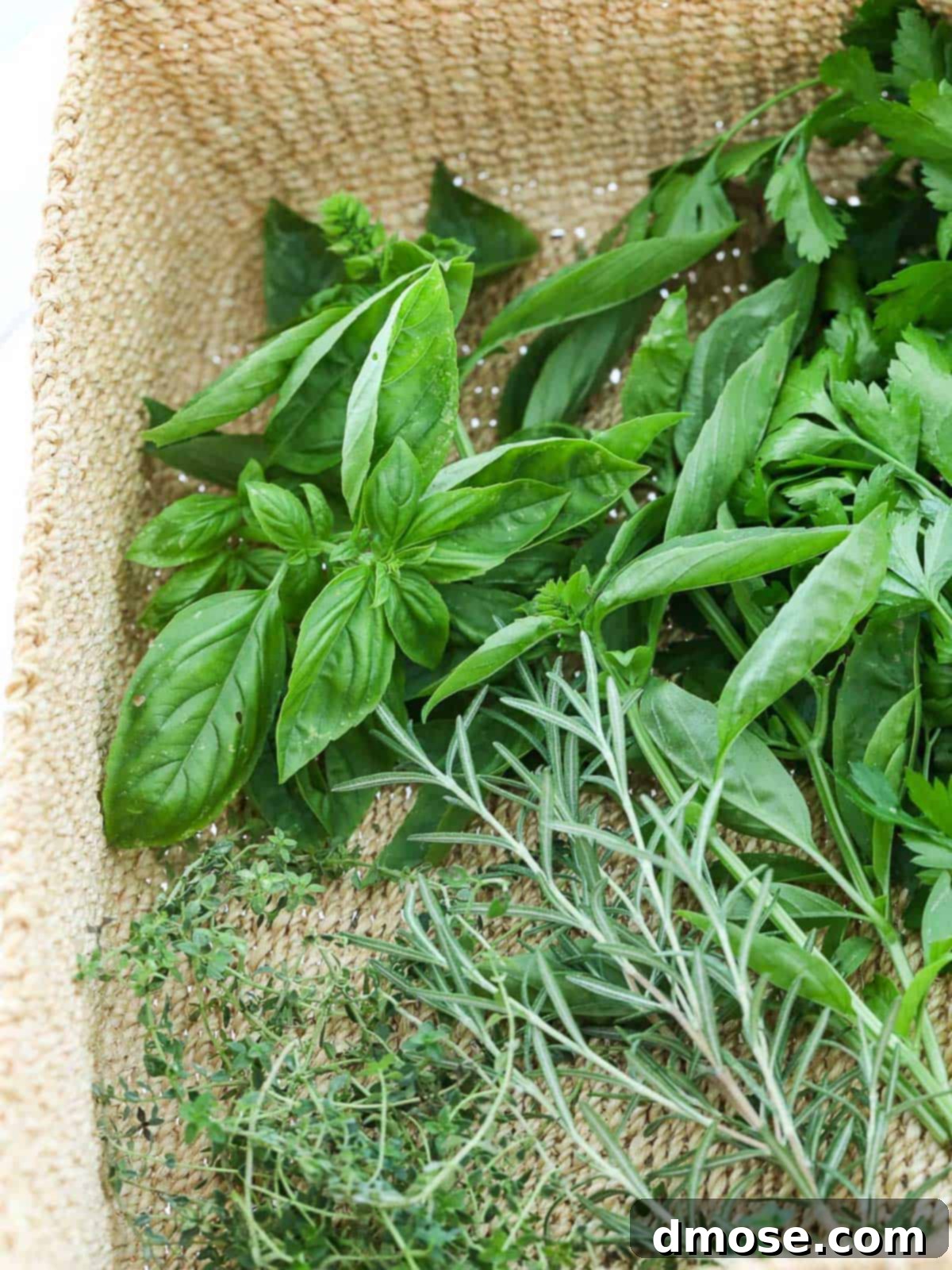
For this recipe, I personally love using a fragrant blend of fresh basil, Italian parsley, rosemary, and thyme, all picked fresh from my herb garden.🌿🍃🪴 The freshness truly makes a difference in the final product!
Top Tips for Perfect Compound Herb Butter
Achieving the perfect herb butter is all about paying attention to a few key details. These tips will ensure your flavored butter is consistently delicious and easy to prepare.
Choose High-Quality Butter: Always opt for a good quality brand of fresh butter. While I generally recommend salted butter for everyday use, unsalted butter works perfectly here, allowing you complete control over the salt content. Let it soften to room temperature for at least a couple of hours. This is crucial for easy mixing and blending of the seasonings, preventing a lumpy or uneven texture.
Fresh Herbs are Best: For the most vibrant flavor and appealing aesthetics, fresh herbs are superior to dried. Clean your fresh herbs under cool running water and allow them to air dry completely for several hours (or pat them dry with a clean cloth) before chopping. This prevents excess moisture from being incorporated into the butter.
Fresh vs. Dried Herbs: While both dried and fresh herbs can be used for seasoning, fresh-grown herbs undoubtedly offer a much brighter, more intense flavor. They also add beautiful flecks of color to your compound butter, making it visually appealing. If you must use dried herbs, remember that their flavor is more concentrated, so use about one-third of the amount specified for fresh herbs.
The Easy Way to Mince Fresh Herbs
This simple trick for mincing herbs was taught to me by my Mom, and I think of her every time I make a batch of herb butter. It’s a method that has stood the test of time for its speed and effectiveness.
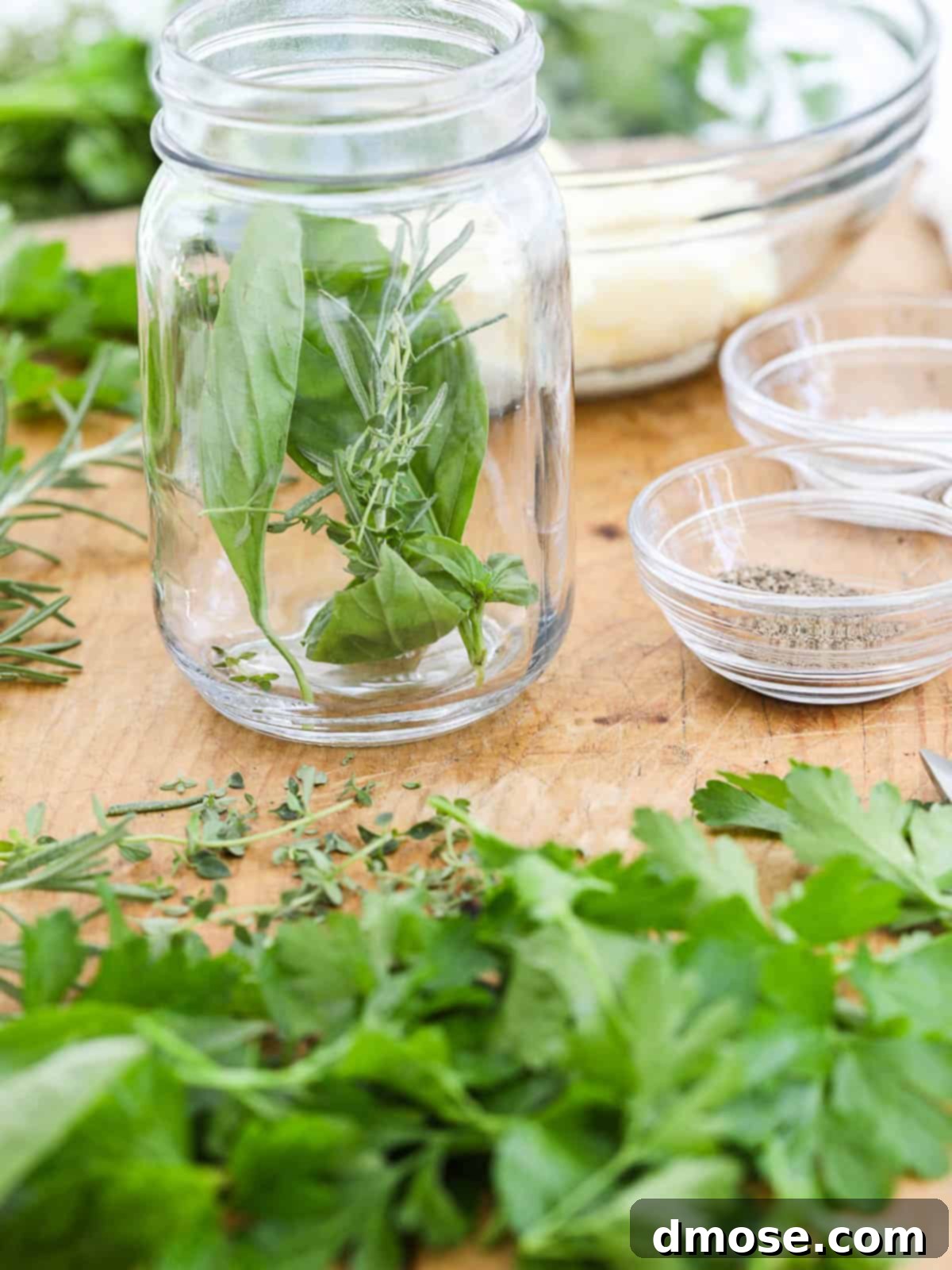
Instead of a cutting board, she always showed me how to snip the herbs directly into a jar or coffee cup using kitchen scissors. While chopping on a cutting board is perfectly fine, this method is fast, easy, and incredibly effective, especially for small batches or when you want minimal cleanup. An added bonus is that any unused herbs can stay in the jar, covered, for other recipes throughout the week!
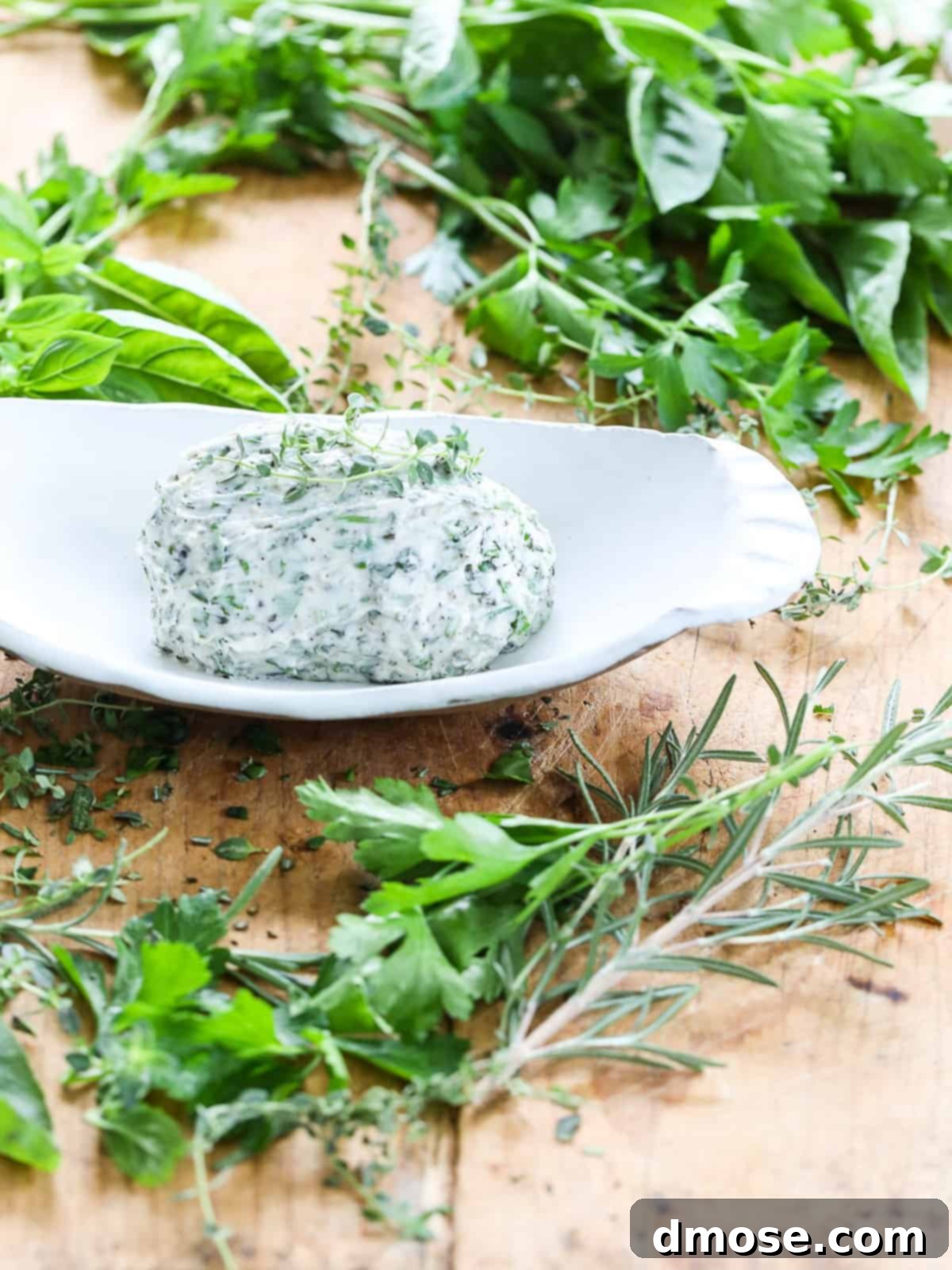
Frequently Asked Questions About Herb Butter
Can you freeze fresh herb butter?
Yes, absolutely! Freezing fresh compound butter is an excellent way to preserve its flavor and extend its shelf life. Place the softened mixture on parchment paper, shape it into a log, roll it tightly, and twist the ends closed. Then, place the log in a zip-top freezer bag. It can be safely frozen for up to 4 months. When ready to use, simply slice off a portion or thaw it in the refrigerator.
What is a compound butter recipe?
A compound butter recipe refers to soft butter that has been mixed with additional ingredients to enhance its flavor. These additions can include fresh herbs, citrus zest, spices, garlic, or other aromatic ingredients. Compound butters are created to build flavor in various recipes, such as melting over meats, fish, or vegetables, or simply spreading on fresh-baked bread. They are a versatile culinary tool for adding gourmet flair with minimal effort.
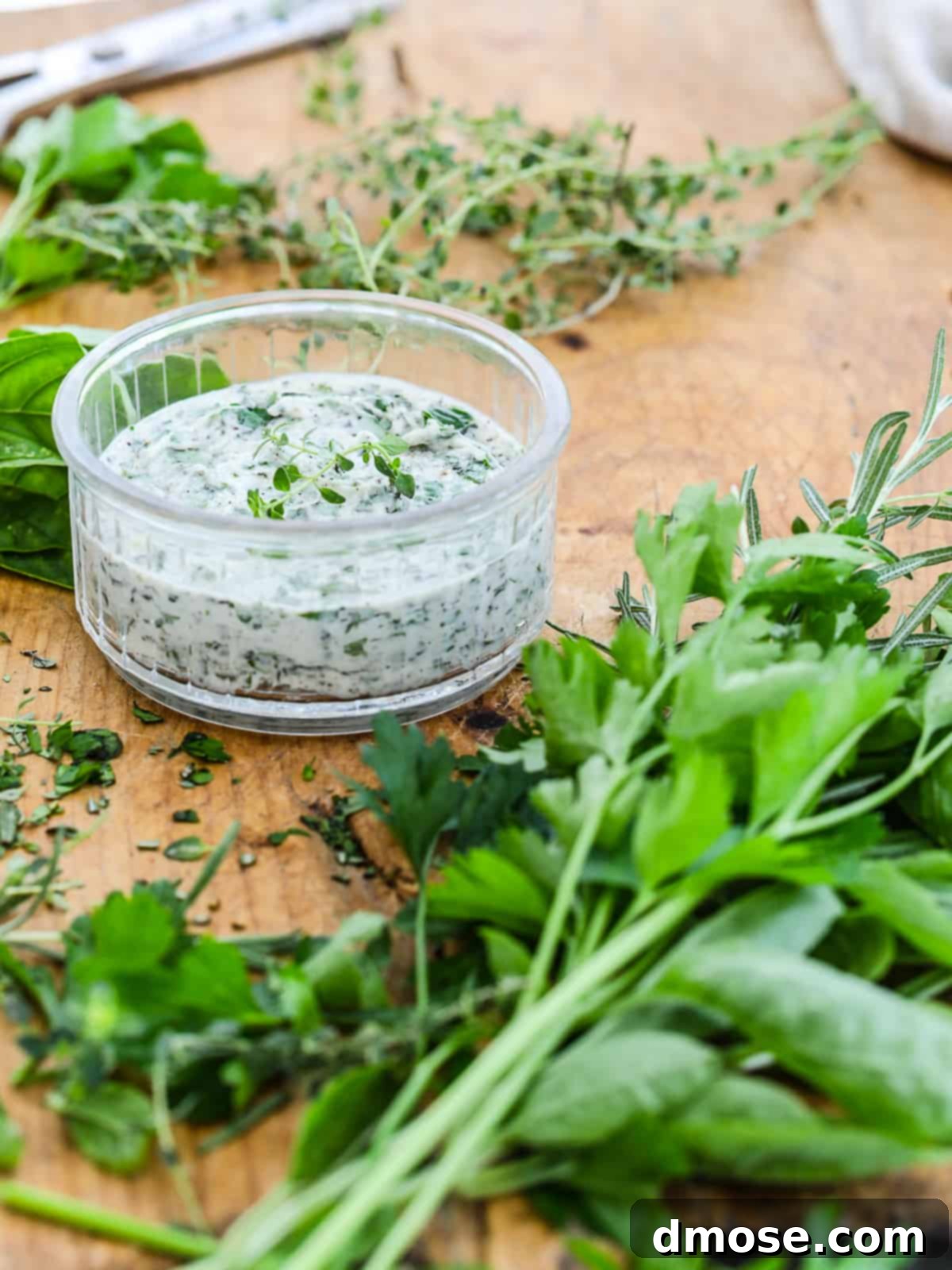
Delicious Ways to Use Your Herb Butter
The culinary applications for homemade herb butter are truly endless. Its rich, aromatic flavor can elevate almost any savory dish, making it a staple in your kitchen. Here are some of our favorite ways to enjoy this versatile condiment:
- Perfect with Bread: Spread generously on any warm loaf of crusty bread, hot dinner rolls, or garlic bread. It melts beautifully, infusing every bite with incredible flavor.
- Potato Lover’s Dream: Smear it on crispy smashed potatoes, melt slices over grilled or baked potatoes, or stir it into creamy mashed potatoes for an unforgettable side dish.
- Steak’s Best Friend: Use it as herbed butter for steak. Place a pat on a freshly grilled, pan-seared, or roasted steak just before serving, allowing it to melt and create a luxurious, flavorful sauce.
- Seafood Sensation: Try it on shrimp, scallops, or a perfectly grilled salmon fillet. The herbs complement the delicate flavors of seafood beautifully.
- Vegetable Enhancer: Melt it over steamed, roasted, or grilled vegetables like asparagus, green beans, or corn on the cob (grilled corn is particularly fantastic!).
- Poultry Perfection: For moist and flavorful roasted poultry, rub a generous amount of herb butter under the skin of a turkey or chicken before roasting. This technique bastes the meat from the inside, ensuring tenderness and crisping the skin.
- Pasta Partner: Toss a tablespoon or two into hot, cooked pasta along with a splash of pasta water for a simple yet flavorful sauce.
I highly recommend trying this recipe on my super easy Herb Roasted Turkey Breast. It’s exactly what you need for a delicious holiday meal or if you love flavorful leftover turkey for Thanksgiving or other celebrations. The aromatic herb mixture flavors the poultry deeply and helps keep it incredibly moist while ensuring the skin gets wonderfully crisp.
Turkey Breast Recipe: This easy turkey breast recipe features a boneless turkey breast and includes a delicious gravy recipe made from pan drippings. It’s simpler to roast and carve, perfect for your Thanksgiving feast or any holiday gathering.
GET THE RECIPE
More Incredible Compound Butter Recipes to Try
If you’ve fallen in love with homemade herb butter, you’ll be thrilled to discover other delicious compound butter variations. Each offers a unique flavor profile, ready to transform your meals.
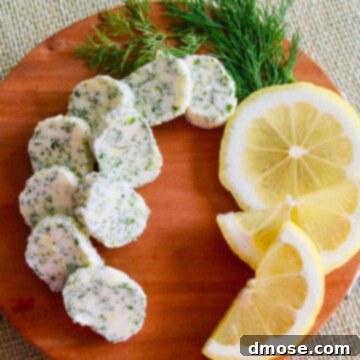
Lemon-Dill Butter: This vibrant compound butter combines bright lemon zest and fresh dill, making it an ideal companion for grilled salmon, steamed white fish, or roasted vegetables like asparagus. It also stores exceptionally well in the freezer for months, ensuring you always have a burst of fresh flavor on hand.
GET THE RECIPE
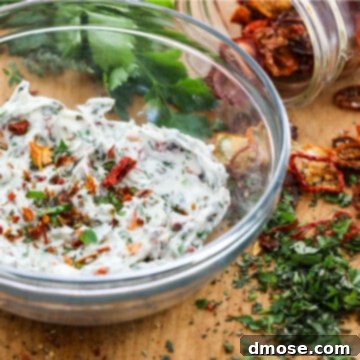
Sun Dried Tomato Butter (Compound Butter): Rich, savory, and bursting with umami, sun-dried tomato butter is an amazing addition to hot pasta, grilled vegetables, sizzling steaks, or simply spread on warm baguettes and dinner rolls. Its intense flavor profile adds a gourmet touch to Italian-inspired dishes and beyond.
GET THE RECIPE
CRAVING MORE?
Did you love this recipe? We would love to hear from you! If you make this recipe and love it, give it a 5-star rating ⭐⭐⭐⭐⭐ with a comment. THANK YOU!! Follow Delicious Table with my free newsletter and share this recipe with your friends on Facebook, Pinterest, and Instagram.
Print
Pin Recipe
Herb Butter Recipe
Herb Butter is a fantastic and versatile condiment, perfect for melting on roasted vegetables, swirling into hot pasta, enhancing sizzling grilled steaks, spreading on warm baguettes, or elevating tea sandwiches and dinner rolls. This flavored butter is easy to create in your kitchen and stores well for weeks, ensuring it’s always ready to slather on hot food and bread when dinner is served.
Equipment
- Global Kitchen Scissors
- Parchment Paper Sheets
- Glass Prep Bowls
- Silicone Leaf Candy And Butter Mold
- Spring Loaded Cookie Scoops (3 Sizes)
Ingredients
- ½ cup butter (softened at room temperature)
- ¼ cup fresh herbs minced (e.g., rosemary, parsley, thyme, basil)
- ½ teaspoon sea salt
- 1 teaspoon fresh cracked pepper
- Other herbs to try: sage, dill, chives, tarragon, oregano, or green onions
Instructions
- Leave the butter out at room temperature for 2 hours to soften, or cut it into small cubes to speed up the softening process.
- Chop fresh herbs finely on a cutting board with a good chef’s knife. Alternatively, for an easier method, snip fresh herbs in a small mug or glass jar with clean kitchen scissors until finely minced.
- In a small bowl, combine the softened butter, ¼ cup of finely chopped herbs, ½ teaspoon of sea salt, and 1 teaspoon of fresh cracked pepper. Mix thoroughly with a spatula until all ingredients are well incorporated.
- For immediate use or short-term storage (up to a week), place your herb butter mixture in a small sealed container with a lid, or cover with plastic wrap. Store in the refrigerator.
- For longer storage (up to 4 months), place the mixture on parchment paper (or wax paper) and shape it into a log. Roll the paper tightly around the butter and twist the ends closed. Place this log in a zip-top freezer bag and freeze. Alternatively, store in a small sealed container with a lid in the fridge for about 2 weeks.
- For fancier presentations, use silicone molds to create decorative shapes or wood butter paddles to form butter balls. Refer to the notes section for more creative ideas.
Notes
Uses & Recipe Ideas:
- Spread on any warm loaf of bread or Hot Dinner Rolls.
- Smear on Crispy Smashed Potatoes.
- Use as herbed butter for steak.
- Melt slices on grilled or baked potatoes.
- Make homemade garlic butter by adding crushed garlic!
- Try on shrimp or Grilled Salmon.
- Melt it on Roasted Potatoes.
- Incredible on Mashed Potatoes.
- Great on Grilled Corn on the Cob.
- Rub under turkey or chicken skin before roasting. This recipe is wonderful for my super easy Herb Roasted Turkey Breast, perfect if you love flavorful leftover turkey!
Once you snip your herbs in the jar, if you have extra, simply screw on the lid. They will stay fresh for a few days for use in other dishes or salads!
Fancy Butter Shapes For Parties:
- Molded Shapes: For the holidays, press the butter into leaf-shaped candy molds or other festive shapes like trees, hearts, or bunnies.
- Classic Coins: In cooking school, we learned to wrap the soft mixture into a log with parchment paper, freeze it, then slice it into “coins.” This method is free, fast, and pretty. I keep the sliced coins in a freezer bag and pull out a couple when I need them.
- Butter Balls: Scoop small 1-inch portions of semi-room temperature butter and shape them between wood paddles (traditionally used for gnocchi) to create beautiful herb butter balls.
- Container Storage: Store in a small covered container, a bowl wrapped in plastic wrap, or wrapped in parchment paper. Chill until firm enough to slice. Bring to room temperature before serving to ensure easy spreading.
Nutrition
Serving: 12g | Calories: 68kcal | Carbohydrates: 1g | Protein: 1g | Fat: 8g | Saturated Fat: 5g | Cholesterol: 20mg | Sodium: 261mg | Fiber: 1g | Sugar: 1g | Vitamin A: 263IU | Vitamin C: 1mg | Calcium: 3mg | Iron: 1mg
Tried this recipe? Let’s see it on Instagram! Follow us @Delicious.Table and tag us on your recipe photo with #delicioustable
Need ingredients or equipment to make this recipe? Shop Now. Every cooking product recommended I own, use, and love how they perform in my kitchen. Happy Cooking! Lisa
Disclosure: As an Amazon Associate, Delicious Table earns advertising fees from qualified purchases linking to Amazon.com