
Last Updated April 4th, 2024 at 01:11 pm by Lisa
Preserved lemons are a culinary revelation, offering an unparalleled burst of fresh, intense “lemony” flavor with a delicate tang that transforms an array of dishes. This comprehensive guide will walk you through making them using both the time-honored traditional method and a super-fast technique that gets them ready in just 30 minutes. Once you discover their magic, you’ll be eager to explore the 25+ incredible ways to incorporate these versatile citrus wonders into your cooking, from enhancing roast chicken and grilled fish to adding a complex note to stews, pasta, and vibrant salad dressings.
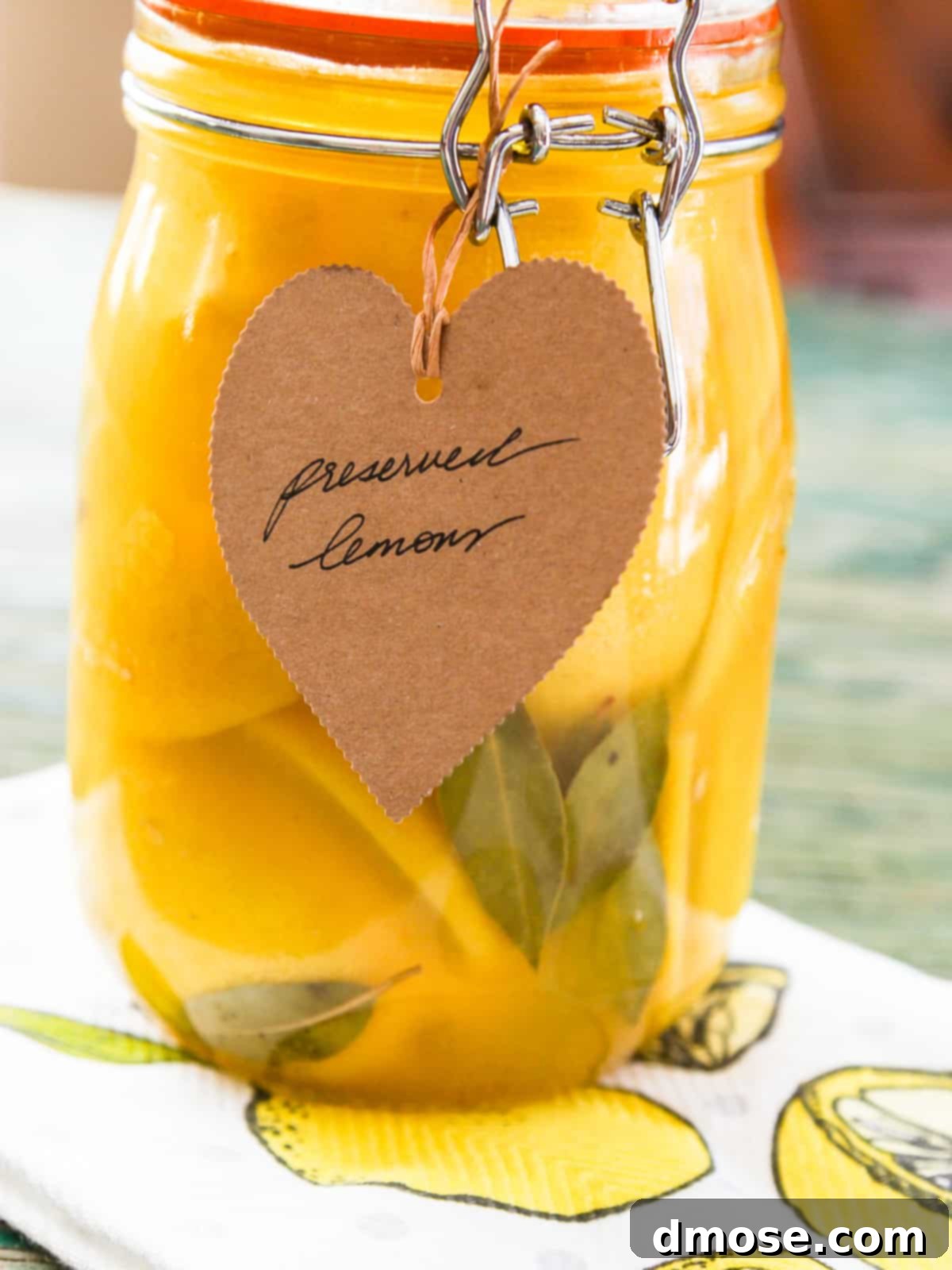
Table of Contents
- The Essence of Preserved Lemons
- Why Make Your Own Preserved Lemons?
- Preserved Lemons: A Journey Through History
- Choosing the Perfect Lemons for Preserving
- Mastering the Art of Preserved Lemons: Recipes
- Ingredients for Preserved Lemons
- Quick Preserved Lemon Method (Ready in 30 Minutes!)
- Traditional Preserved Lemon Method (The Classic Approach)
- Elevate Your Flavor with Variations
- Cooking with Preserved Lemons: Unleash Their Flavor
- 25+ Unforgettable Preserved Lemon Recipes
- Explore More Lemon Inspirations
The Essence of Preserved Lemons
Preserved lemons, also known as country lemons, pickled lemons, or leems, are a staple in many global cuisines, born from ancient food preservation techniques. Unlike fresh lemons, which offer a bright, acidic burst, preserved lemons undergo a transformation through salt-curing and fermentation. This process softens the rind, mellows the harsh tartness, and intensifies the fruit’s inherent aromatic qualities, developing a deep, complex, umami-rich “lemoniness” that simply can’t be replicated by fresh citrus.
Both the softened peel (rind) and the tender pulp of a preserved lemon are edible and contribute distinct textures and flavors. They are typically created by pickling whole, halved, or quartered lemons in a brine of water, lemon juice, and salt. While some recipes keep it simple, others introduce various spices to the brine, creating unique flavor profiles. The initial fermentation at room temperature allows the flavors to meld and deepen, before refrigeration halts the process and extends their incredible shelf life. Understanding this transformation is key to appreciating the magic they bring to your cooking.
Why Make Your Own Preserved Lemons?
Lemons are a perpetual favorite in my kitchen, always on hand for a splash of juice or a sprinkle of zest to brighten countless dishes. Yet, there are times when a recipe calls for something more profound than fresh lemon – a deeper, more rounded citrus note that only preserved lemons can provide. I first experienced this revelation at a cooking demonstration and was so captivated that I rushed home to make my own. The first taste on a chicken dish was truly transformative – next-level deliciousness!
Beyond their incredible flavor, making preserved lemons is a wonderfully practical endeavor. If you’re fortunate enough to have a lemon tree overflowing with fruit, or a generous friend sharing their bounty, preservation is an excellent way to prevent waste and enjoy the vibrant taste of lemons year-round. It’s also a deeply satisfying culinary project, connecting you to ancient food traditions and equipping your pantry with a secret ingredient that will elevate your meals to new heights.

Preserved Lemons: A Journey Through History
The practice of preserving lemons spans many centuries, potentially even millennia. It emerged as a vital and practical method for safeguarding large harvests of lemons that ripened simultaneously, ensuring a supply throughout the year and enabling their transport to distant regions where they were not grown locally.
This timeless technique is embraced by cultures worldwide. Lemon pickle, for instance, is a cherished condiment on dinner tables across the Indian subcontinent. It’s an indispensable component of North African, particularly Moroccan, cuisine, where it lends its distinctive flavor to famous dishes like tagine. Historically, preserved lemons also found their place in 18th-century English cuisine, showcasing their enduring appeal and versatility across different culinary landscapes. This rich history highlights their significance not just as a flavor enhancer, but as a testament to ingenuity in food preservation.
Choosing the Perfect Lemons for Preserving
While almost any lemon variety, and even limes, can be successfully preserved, your choice of citrus will influence the final flavor and texture. Understanding the nuances of different types can help you achieve your desired outcome.
In the United States, several common lemon varieties are found in grocery stores. According to USCitrus.com, the most prevalent are **Lisbon, Eureka, Meyer, and Bearss**. Most lemons you typically encounter in stores, often labeled simply as “lemons,” are usually Lisbon or Eureka varieties. These generally have thicker skins and a more pronounced tartness, which will mellow beautifully through the preservation process.
My absolute favorites for preserving are **Meyer lemons**. These smaller, thinner-skinned lemons are much sweeter and incredibly juicy, often displaying a slight orange hue. Their delicate rind makes for a particularly tender preserved lemon with a sweeter, less aggressively tart flavor, perfect for dishes where you want a gentle citrus note. They also zest beautifully, which speaks to the quality of their rind even before preservation.
**Ponderosa lemons**, sometimes called “American Wonder Lemons,” are notable for their unusually large size and thick rinds, which can result in a different texture when preserved, offering a substantial, meaty peel.
When selecting lemons for preserving, regardless of variety, look for firm, unblemished fruit with smooth, vibrant skins. Organic lemons are often preferred, especially since you will be consuming the rind, to minimize exposure to pesticides and waxes. Give them a good scrub under running water before starting the preservation process.
Mastering the Art of Preserved Lemons: Recipes
Whether you need preserved lemons in a hurry or prefer the deep, nuanced flavors of traditional curing, we have you covered. Here are the essential ingredients and two distinct methods to prepare these culinary gems.
Ingredients for Preserved Lemons
- 12 lemons (Seedless or Meyer Lemons preferred for best results)
- ½ cup coarse kosher salt
- 2 tablespoons olive oil (for traditional method)
- 4 fresh bay leaves (optional, but highly recommended for traditional method)
- Additional lemon juice, if needed
Quick Preserved Lemon Method (Ready in 30 Minutes!)
Sometimes, a recipe calls for preserved lemons and you don’t have weeks to wait. This fast method is perfect for yielding a smaller quantity of tender, flavorful lemon rinds in a fraction of the time. While it doesn’t replicate the deep fermentation of the traditional method, it offers a fantastic substitute for immediate use.
- Thoroughly wash 3 lemons. Slice each lemon into quarters or thick wedges.
- In a small saucepan, combine 1 cup of water and 2 tablespoons of coarse kosher sea salt. Bring the mixture to a rolling boil over high heat.
- Reduce the heat to a low simmer, add the lemon wedges, and cook for 30 minutes. During this time, the liquid will reduce by half, to about ½ cup.
- The simmering process will soften the lemon rinds significantly, making them tender and infusing them with salty lemon flavor.
- Remove from heat and allow the contents to cool completely.
- Transfer the cooked lemons and their reduced liquid into a clean glass jar. Ensure the lemons are fully submerged in the liquid; add a little extra fresh lemon juice if necessary to cover them.
- These quick preserved lemons can be stored in the refrigerator for up to a week. They are excellent for impromptu culinary experiments!
Traditional Preserved Lemon Method (The Classic Approach)
The traditional method requires patience, as it takes 3 to 4 weeks for the lemons to fully cure. However, the wait is absolutely worth it, as this process develops an incredibly complex, aromatic flavor and a wonderfully tender consistency that defines true preserved lemons. This is food preserving at its finest!
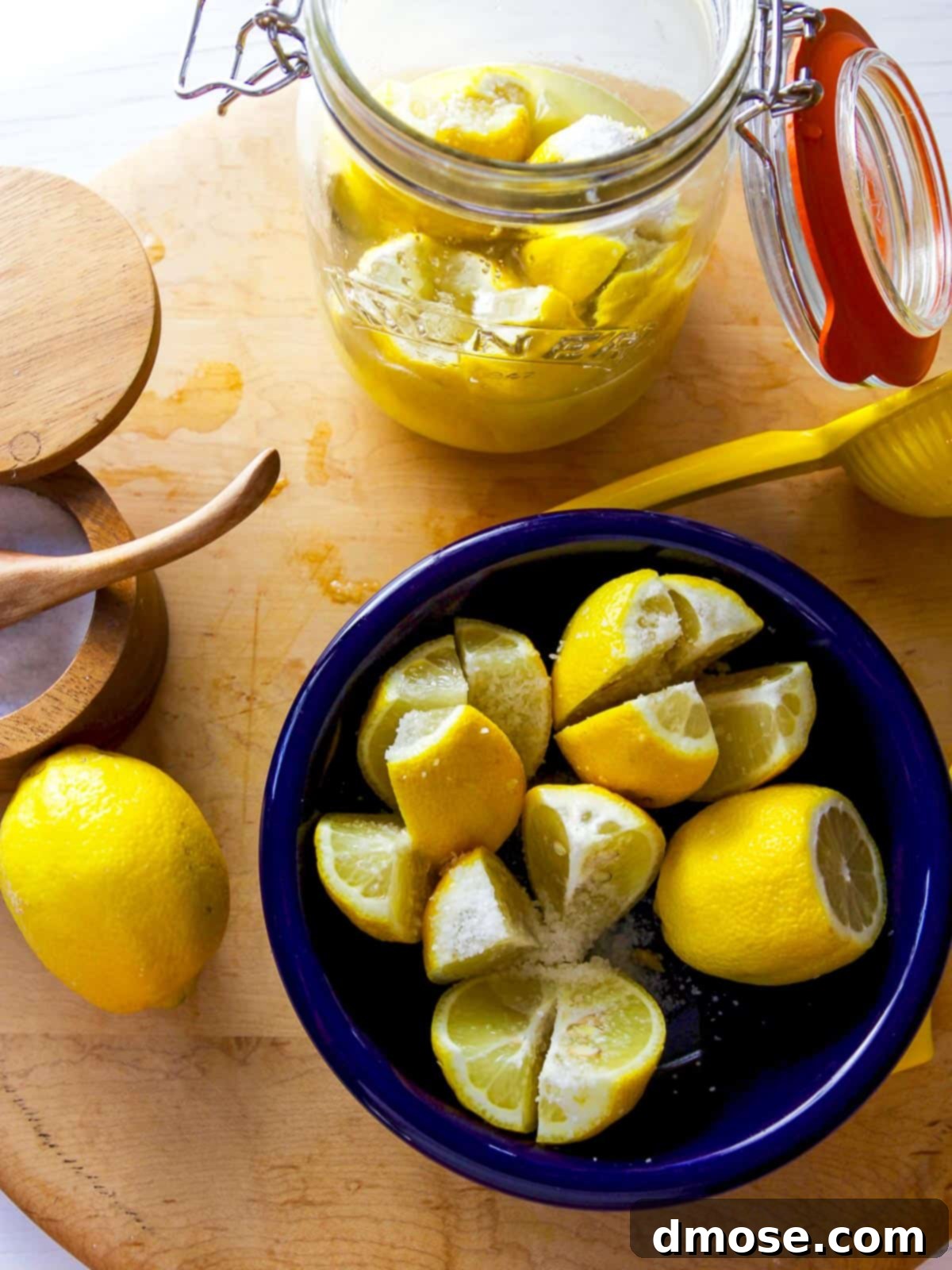
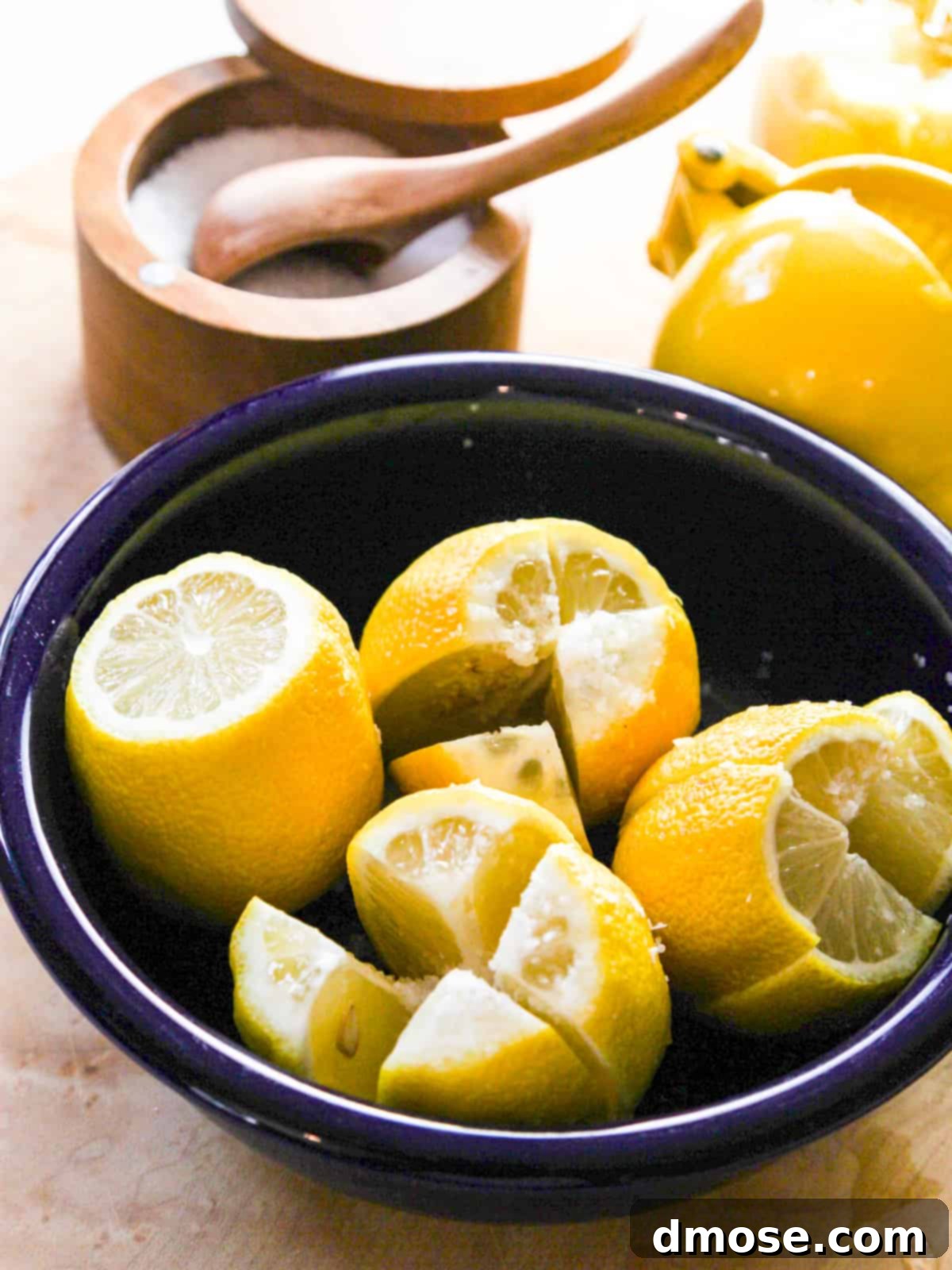
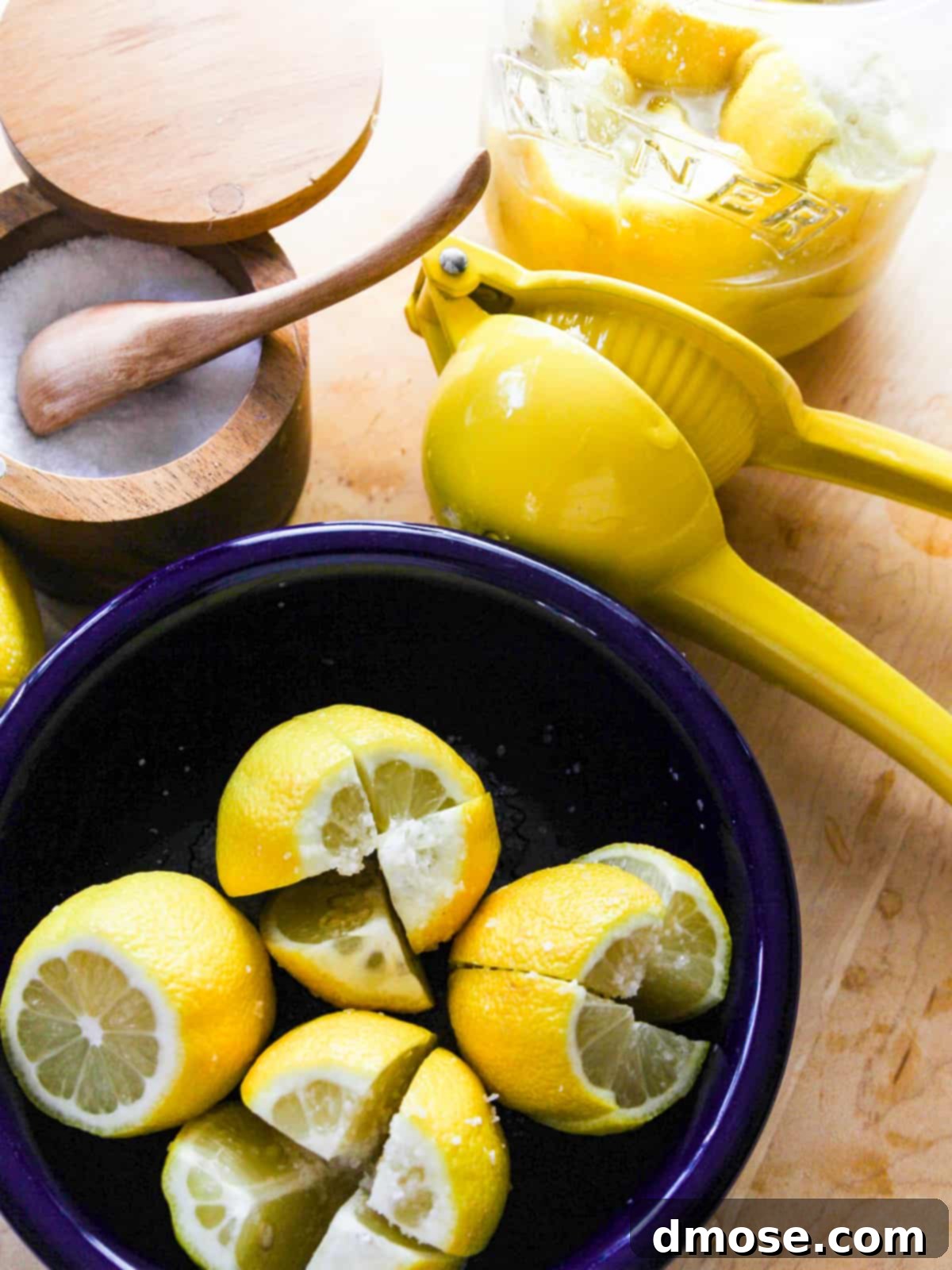
- **Prepare the Lemons:** On a clean cutting board, use a paring knife to trim off the stems and about ½ inch from both ends of each lemon. Make a deep cut lengthwise down each lemon, quartering it but ensuring it remains attached at the bottom. This creates four sections connected at the base.
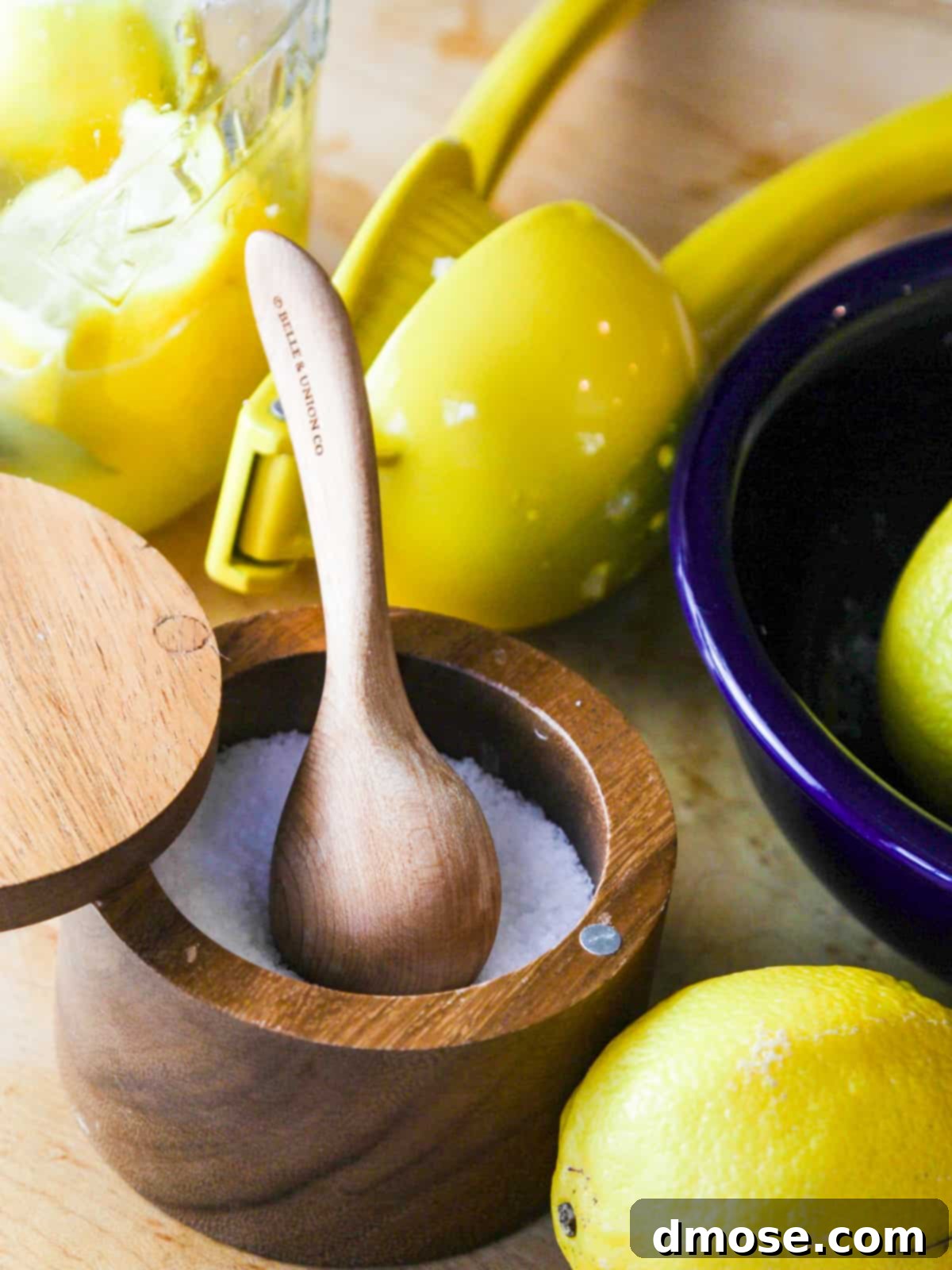
- **Salt Generously:** Open each cut lemon on a plate and generously sprinkle coarse sea salt over the exposed flesh, pushing the salt deep into the crevices. The salt is crucial for drawing out moisture and initiating the preservation process.
- **Layer in the Jar:** Place a tablespoon of salt at the bottom of a clean quart-sized mason jar. If using, add the bay leaves. Begin tightly packing the salted lemons into the jar. Don’t be afraid to press them down firmly; they will soften and shrink as they cure, creating more space.
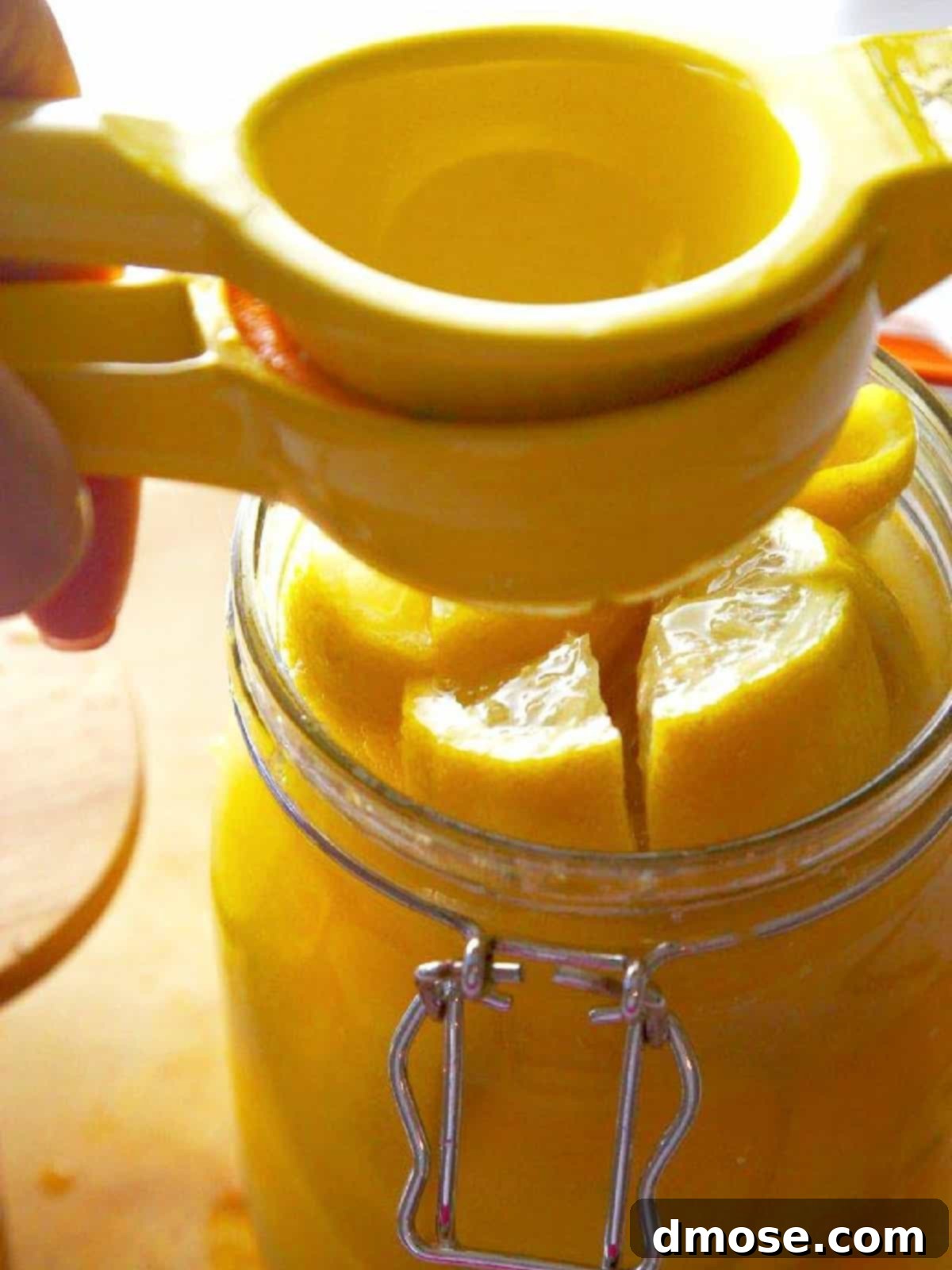
- **Add Lemon Juice:** Using a hand juicer, juice any remaining lemons until you have enough fresh lemon juice to completely cover the packed lemons in the jar. Pour any residual salt or juice from the plate into the jar as well, maximizing flavor.
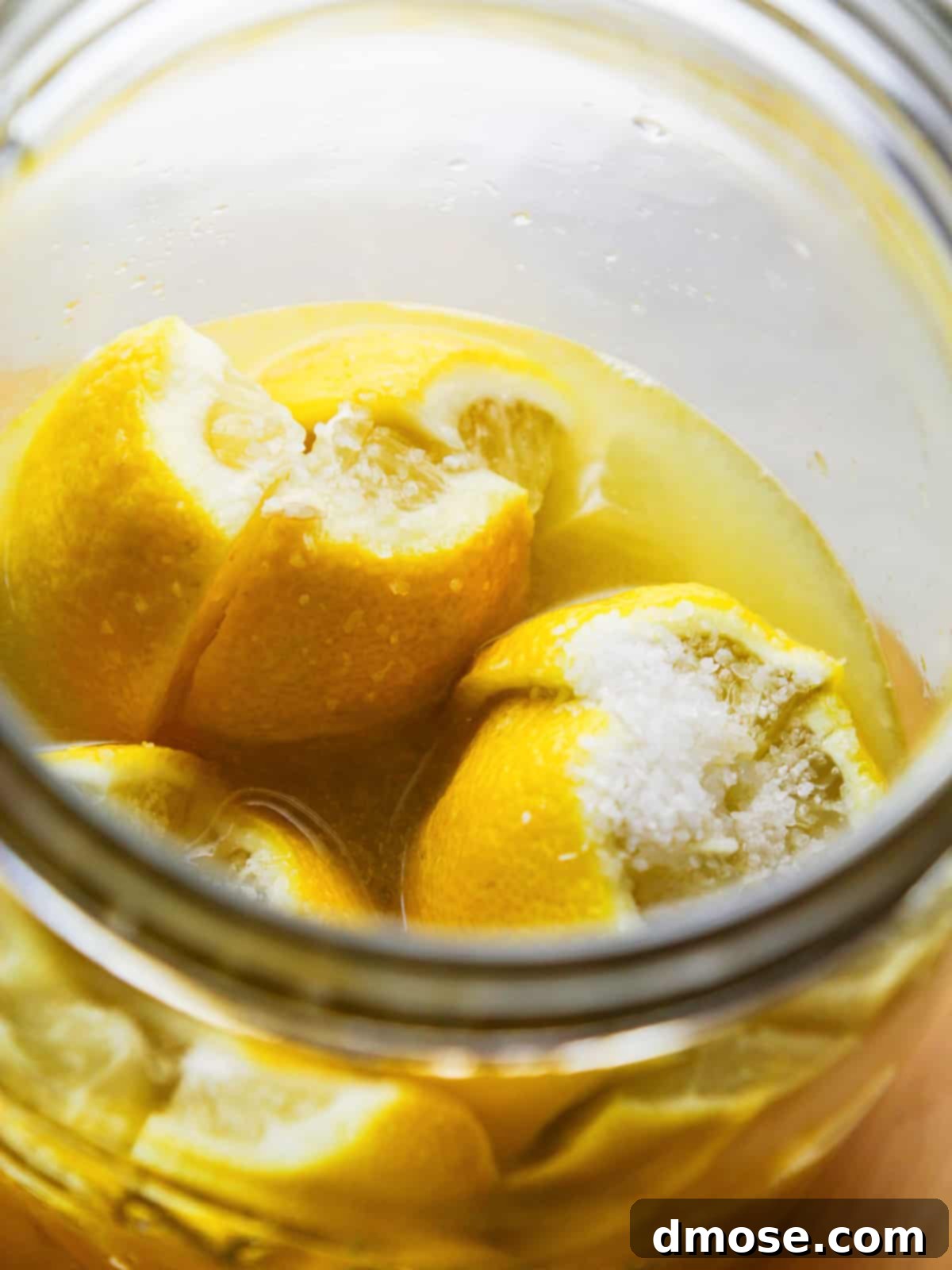
- **Ensure Submersion & Headspace:** This is critical! Leave at least one inch of headspace from the top of the jar. Crucially, ensure all lemons are fully submerged under the lemon juice brine. Any exposed lemon can spoil. I highly recommend using fermentation glass weights to hold the lemons down beneath the liquid. These weights apply gentle pressure, keeping the solids submerged as the lemons release their own juices and settle.
- **Initial Fermentation:** Loosely cover the jar with a clean towel or cheesecloth (to allow airflow but prevent contaminants) and let it sit at room temperature for one day. This kickstarts the fermentation process.
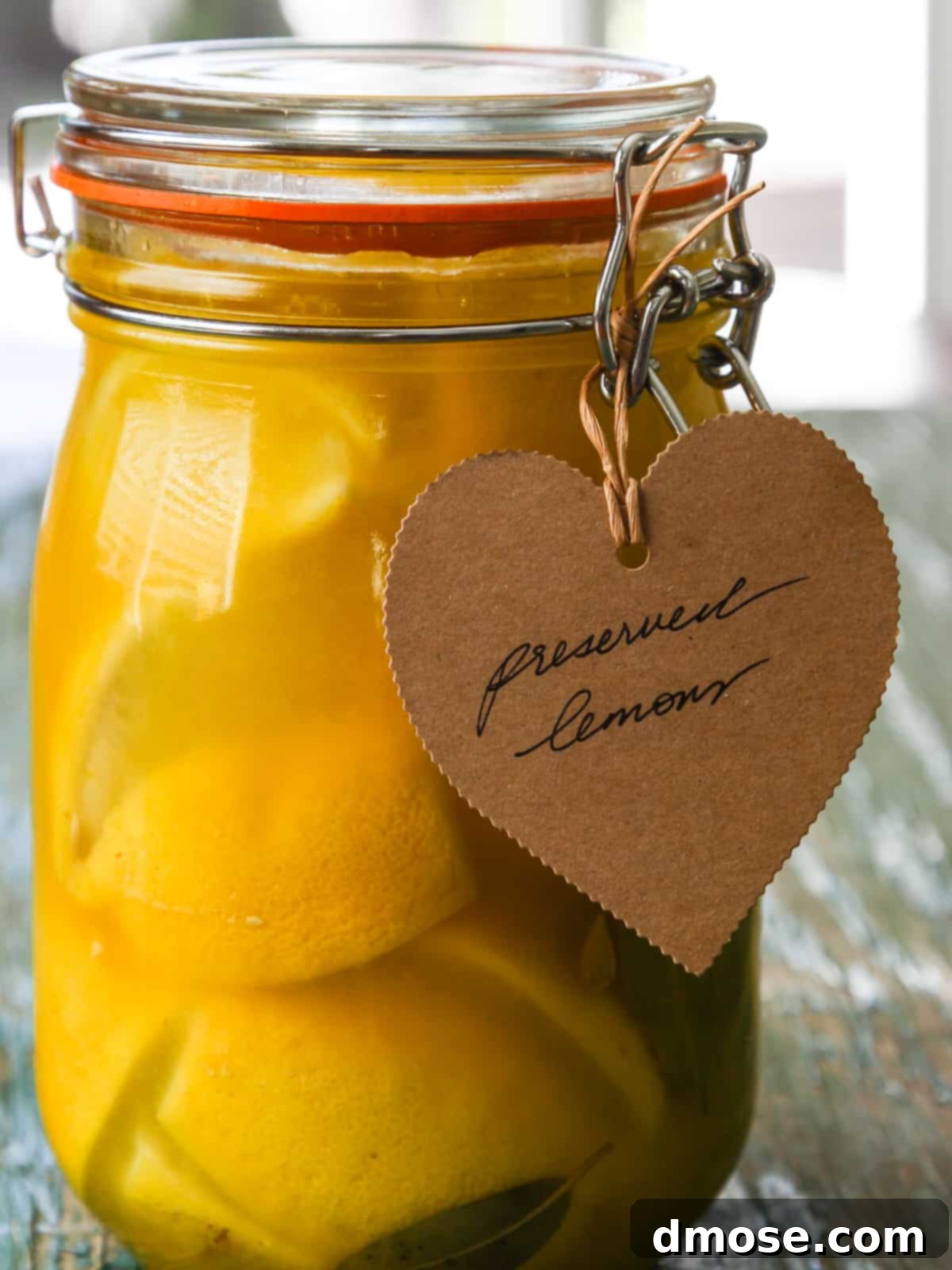
- **Seal and Refrigerate:** The next day, pour a thin layer of olive oil over the top of the lemons and their juice. This acts as an additional seal, helping to prevent air exposure. Close the jar tightly with its lid. **After 3 days at room temperature, transfer the jar to the refrigerator.** This cooler environment slows fermentation for a gentler cure. Allow them to cure for a full 3-4 weeks in the refrigerator before using. Do not leave them at room temperature for the entire curing period.
- **Storage and Replenishment:** Properly stored, traditional preserved lemons will last up to six months (or even longer) in the refrigerator. When you start using them, consider transferring a portion to a new, smaller clean jar. You can also replenish your batch: place fresh, newly cut and salted lemons at the bottom of a clean jar, then layer the already-preserved lemons on top. Add a fresh bay leaf or any desired seasonings. Pour the reserved lemon juice brine from the previous batch into the new jar, adding more fresh lemon juice if needed to ensure all lemons are submerged. This method ensures you always have a fresh supply ready for cooking.
PRO TIP: To maintain a continuous supply, when you use some preserved lemons, start a new clean jar by placing fresh, salted lemons at the bottom and adding the already-preserved ones on top. This makes it easier to access the cured lemons and keeps your batch replenished. Don’t forget to top with reserved brine or fresh lemon juice!
Elevate Your Flavor with Variations
While classic preserved lemons are exquisite on their own, you can customize their flavor profile by incorporating various spices and aromatics into the brine. This allows you to tailor them to specific cuisines or personal preferences, adding another layer of complexity to your dishes.
Consider these additions to your preserving jar:
- **Whole Spices:** Bay leaves (already included as optional, but a fantastic choice), cloves, cinnamon sticks, whole black peppercorns, red peppercorns, green cardamom pods, or star anise. These impart subtle, warm notes that complement the lemon beautifully.
- **Seeds:** Coriander seeds, fennel seeds, or even a small amount of carom seeds (ajwain), particularly if you’re aiming for an Indian-inspired flavor.
- **Heat:** A few dried red pepper flakes or a small whole dried chili can introduce a gentle warmth, balancing the tartness.
- **Herbs:** Fresh rosemary sprigs or thyme sprigs can add an earthy, savory dimension.
- **Vanilla:** For an unexpected and luxurious twist, a split vanilla bean can infuse the lemons with a delicate sweetness, ideal for certain desserts or more exotic savory preparations.
Experiment with small batches to discover your favorite combinations. Remember that the flavors will intensify during the curing process, so start with conservative amounts.

Cooking with Preserved Lemons: Unleash Their Flavor
The unique flavor of preserved lemons requires a specific approach to preparation and use to truly shine in your dishes. Their primary appeal comes from the rind, which becomes intensely aromatic and tender after curing.
- **Rinse Thoroughly:** Before using, it’s crucial to remove the salt-preserved lemons from their salty brine and give them a quick, thorough rinse under cold running water. This washes away excess salt, allowing the nuanced, intense lemon flavor and natural mild sweetness to come through without overwhelming your dish with brininess. You want to taste the lemon, not just the salt.
- **Prepare the Peel and Pulp:**
- **For the Rind:** The peel is the star. Depending on your recipe, it can be finely diced, chopped into tiny bits, sliced into thin strips (julienne), or even mashed into a paste. The thin skins of Meyer lemons, for example, become wonderfully tender and can often be used with or without the pulp.
- **For the Pulp:** While the rind is highly prized, the soft, flavorful pulp is also edible. Many chefs prefer to scrape away and discard the more bitter inner pulp and seeds, using only the tender rind. However, the pulp can be incorporated into robust dishes like stews, sauces, or blended into dressings, where its mild tartness and softened texture will contribute to the overall flavor without being too assertive.
- **Integrate into Dishes:**
- **Infusion:** For a deep, pervasive lemon flavor, add diced preserved lemon early in the cooking process to stews, braises, or sauces.
- **Bright Finish:** For a brighter, more pronounced lemon punch, stir in finely chopped preserved lemon closer to the end of cooking, such as into pasta dishes, risottos, or couscous.
- **Rub/Brush:** Mash the rind and pulp to create a paste to rub under the skin of roast chicken or lamb for an aromatic crust.
- **Dressings/Spreads:** Blend into salad dressings, vinaigrettes, or creamy dips like hummus and aioli.
Remember, a little goes a long way. Preserved lemons are potent, so start with a small amount and adjust to your taste preferences. They add a sophisticated layer of flavor that can transform everyday meals into gourmet experiences.
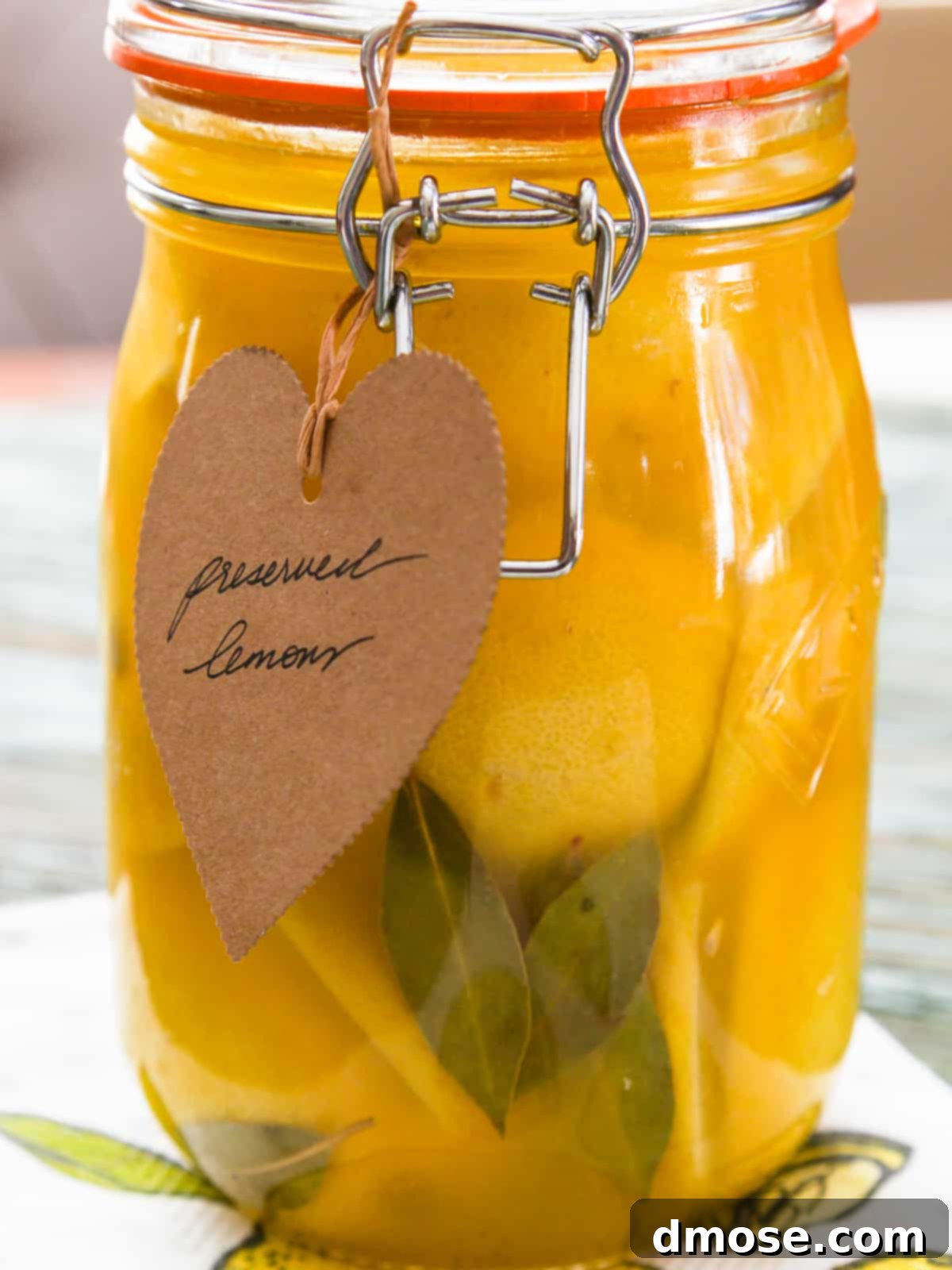
25+ Unforgettable Preserved Lemon Recipes
The versatility of preserved lemons makes them a cherished ingredient across a spectrum of global cuisines. They are particularly prominent in Middle Eastern and North African dishes, where their bright, savory, and slightly funky notes harmonize beautifully with rich meats, aromatic spices, and a variety of vegetables. In Indian cuisine, lemon pickle variations, often prepared with limes, carom spice seeds, red chili powder, and salt (sometimes without oil), offer a distinctive flavor profile. One of my personal favorite applications is in vinaigrette salad dressings, where they add an unexpected depth and zest.
Here are over 25 ways to integrate the incredible flavor of preserved lemons into your cooking:
- **Moroccan Chicken Tagine:** A classic pairing, where preserved lemons provide a deep, tangy counterpoint to rich chicken and warming spices.
- **Roast Chicken:** Finely chop the rind and rub it under the skin of a whole chicken before roasting for an incredibly aromatic and tender bird.
- **Meyer Lemon Vinaigrette:** Blend a small piece of rind into your favorite vinaigrette for an elevated salad dressing with a unique depth of flavor.
- **Grilled Fish Dishes:** Scatter finely diced preserved lemon over grilled salmon, cod, or sea bass to enhance their natural flavors.
- **Dill Lemon Sauces:** Incorporate small pieces into creamy dill sauces for fish or vegetables.
- **Dill Caper Aioli:** Mix into a homemade aioli with dill and capers, perfect for serving with fried fish or as a sandwich spread.
- **Chicken, Lamb, or Beef Stews:** Add a few chopped pieces to your stews or braises during the last 30 minutes of cooking for a complex, savory brightness.
- **Roasted or Grilled Fingerling Potatoes:** Toss with olive oil, herbs, and finely chopped preserved lemon before roasting or grilling for tangy, savory potatoes.
- **Roasted Vegetables**: Elevate roasted broccoli, cauliflower, carrots, or asparagus with a sprinkle of chopped preserved lemon.
- **Lemon Hummus:** Blend a small amount of preserved lemon rind into your hummus for an extra layer of zesty flavor.
- **Cocktail Sauce**: Stir finely minced preserved lemon into cocktail sauce with horseradish for a bright kick with seafood.
- **Steamed or Grilled Artichokes:** Smear a paste of preserved lemon rind onto artichoke hearts before cooking, or serve alongside as a flavorful dip.
- **Greek Tzatziki**: Mix a tiny bit of finely chopped preserved lemon into your tzatziki for a fresh, zesty twist, especially delicious with Gyros.
- **Bloody Marys**: Add a dash of the preserved lemon pulp and brine liquid to your Bloody Mary mix for a surprising depth of citrus and salt.
- **Green Salads**: Toss finely chopped preserved lemon rind into any green salad for an instant flavor boost.
- **Grain Salads:** Mix into hearty grain salads like wild rice, quinoa, or farro salads for a bright, tangy element.
- **Parmesan Lemon Vinaigrette Dressings**: A fantastic addition to cheesy vinaigrettes, enhancing both the savory and citrus notes.
- **Chicken Noodle Soup**: Dice finely and add to chicken noodle soup for a truly unique and comforting flavor.
- **Chicken Pasta Dishes:** Stir into chicken and pasta dishes, especially those with creamy or olive oil-based sauces.
- **Vegetable Stir-fries:** Sauté small pieces of preserved lemon rind with your favorite vegetable stir-fry for an unexpected tang.
- **Lemon Dill Butter**: Blend some preserved lemon pulp into a compound butter with dill, perfect for spreading on bread or melting over vegetables.
- **Chicken Gravy Sauces:** Stir finely chopped preserved lemon into chicken gravy or pan sauces for depth and brightness.
- **Cabbage Steaks**: Top roasted cabbage steaks with a sprinkle of preserved lemon for a zingy finish.
- **Couscous:** Mix finely chopped preserved lemon into warm couscous along with fresh herbs for a flavorful side dish.
- **Lemon Olive Tapenade**: Use preserved lemon to make a zesty olive tapenade, a perfect appetizer spread.
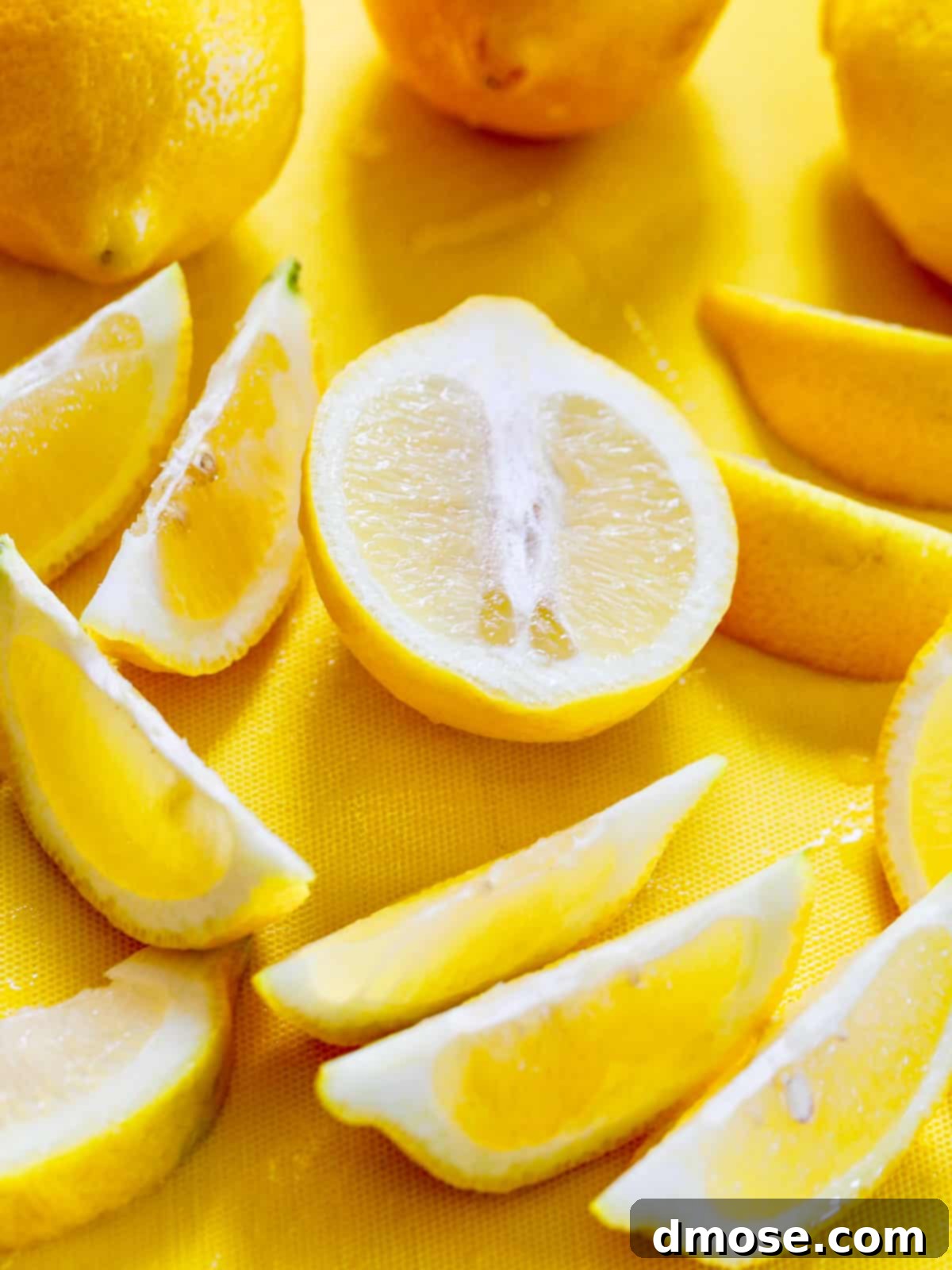
Explore More Lemon Inspirations
If you’re a true lemon enthusiast, there’s always more to explore! These recipes highlight the fresh, bright, and versatile nature of lemons in both savory and sweet applications.
Whip up this Parmesan Lemon Vinaigrette in minutes using fresh lemon juice, Dijon mustard, and savory Parmesan cheese. Whether shaken in a jar or whisked in a bowl, it transforms any green salad into a truly special dish. A must-try for all olive lovers!
This delightfully fresh Meyer Lemon Olive Tapenade offers a delicious anchovy-free alternative. It’s the perfect addition to cheese boards, served with crispy crackers and golden crostini toasts for an elegant appetizer.
Hello, lemon fans! 🍋🍋🍋 Discover over 15 Lemon Recipes on our site, featuring ideas for family dinners, savory main courses, delightful appetizers, and irresistible sweet desserts.
Our Ice Cold Blueberry Lemonade perfectly captures the essence of summer in every refreshing sip. This tasty drink comes together quickly with homemade blueberry syrup, invigorating fresh lemon juice, and a touch of sweet honey. Garnish with fresh blueberries and delicate lemon slices for a picture-perfect beverage.
- Parmesan Lemon Vinaigrette
- Meyer Lemon Olive Tapenade
- 15 Lemon Recipes
- Blueberry Lemonade
CRAVING MORE?
Did you love this recipe? We would love to hear from you! If you make this recipe and love it, give it a 5-star rating ⭐⭐⭐⭐⭐ with a comment. THANK YOU!! Follow Delicious Table with my free newsletter and share this recipe with your friends on Facebook, Pinterest, and Instagram.
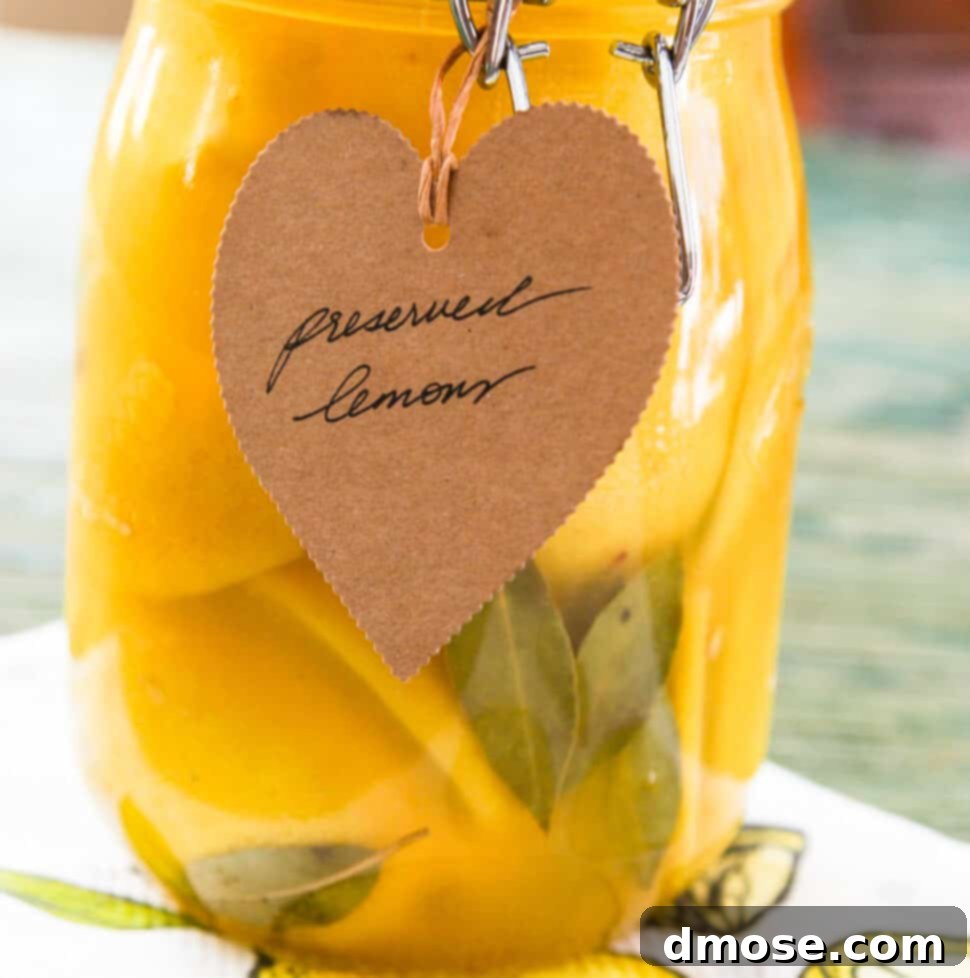
Print Recipe
Pin Recipe
Preserved Lemon Recipe
⭐
⭐
⭐
⭐
Preserved lemons add an incredible fresh intense “lemony” flavor with a mild tartness to a variety of dishes. Follow this easy simple recipe and step-by-step tutorial to make them the traditional way, or a superfast method to make them quickly in much less time, just 30 minutes! Then grab your jar and try one of the 25 ways to use them on roast chicken, grilled fish, potatoes, or lemon hummus, or mix or into stews, pasta, and salad dressings.
15 minutes
21 days
15 minutes
12
52 kcal
Lisa Hatfield
Equipment
Ingredients
- 12 lemons Seedless, or Meyer Lemons preferred
- ½ cup coarse kosher salt
- 2 tablespoons olive oil
- 4 fresh bay leaves optional
Instructions
Traditional Preserved Lemons
- On a cutting board using a pairing knife, cut off the stems and ½” of lemon ends. Slice a deep slit down each lemon, but keep it attached at the bottom into quarters.
- Next, open each lemon on a plate, and sprinkle coarse sea salt generously over each open lemon and push the salt down into the crevices.
- Place a tablespoon of salt and the bay leaves in a clean mason jar. Next, add the salted lemons in the quart jar. It’s fine if you have to pack them in, as they will shrink smaller as they cure.
- Juice the remaining lemons and completely cover the cut ones in the jar with lemon juice. Pour any salt or lemon juice from the plate into the jar.
- Important: Leave one inch of headspace from the top of the jar. Be sure all the lemons are pushed down into the lemon juice brine, or the lemons will spoil.
- I use glass weights which are called fermentation weights. These hold down the contents in the glass jar under the top of the brine mixture of salt and the significant amount of juice that comes out as you fill the jar.
- Let your jar sit for a day, lightly covered with a clean towel or cheesecloth at room temperature.
- The next day, pour a thin layer of olive oil over the lemons and their juice. Close up your jar and seal with a lid. After 3 days, put it in the refrigerator allowing them to cure for 3-4 weeks.
- Preserved lemons last up to six months in the fridge.
- When you use some of them, start with a new clean jar. Place new cut and salted lemons on the bottom of the jar, and add the already preserved lemons back on top. And add a new bay leaf or two or any seasonings you wish. This makes it easier to get to the uppermost lemons that are ready for cooking. Then pour reserved lemon juice from the prior batch into the new jar. You can add the juice of another lemon on top if you need more liquid.
Quick Preserved Lemons
- Traditional preserved lemons take 3 to 4 weeks to cure and gain the wonderful flavor and consistency. This is an alternative method to make them quickly for recipes in a smaller quantity.
- Wash 3 lemons well, and cut into quarters of lemon wedges. In a small saucepan, add 1 cup of water and 2 tablespoons of kosher sea salt. Over high heat, bring to a boil, then turn down to a low simmer and cook for 30 minutes until the liquid reduces down in half to ½ cup.
- The lemon’s texture will soften and the rind becomes tender. Let the contents cool. In a clean glass jar, add the lemons and pour the cooked lemon’s juice on top. Be sure to cover the lemons all the way with their own juices. These can be made ahead and stored in a small jar in the refrigerator for up to a week.
Cooking With Preserved Lemons
- Remove the salt-preserved lemons from the salty brine, and the best thing is to give them a quick rinse off the excess salt so the intense lemon flavor comes through.
- The lemons may be finely diced, chopped into tiny bits, sliced, or mashed, as the recipe requires. Thin skin rinds gain a natural mild sweetness and may be used with or without the pulp.
- Another way to use them is to scrape the preserved lemon pulp and add in stews, sauces, or brush on roast chicken or lamb. Or chop up the entire lemon and mix in rice dishes, risotto, or couscous.
Notes
Use preserved lemons (seeds removed): sprinkle them chopped into classic Morrocan dishes, roast chicken, grilled fish, roasted fingerlings, or in lemon hummus. Mix into chopped into green or grain salads and vinaigrette dressings. Dice finely, add to chicken noodle soup, a chicken pasta dish, couscous, or olive tapenade appetizer. One of my favorite ways to use them is in vinaigrette salad dressings.
They are often combined in various ways in Middle Eastern cuisine and African dishes with olives, artichokes, seafood, veal, chicken, rice, and couscous. Lemon pickle recipes in Indian cuisine call for lemons or limes, Carom spice, red chili powder, salt, and no oil.
Nutrition
Carbohydrates: 10g |
Protein: 1g |
Fat: 2g |
Sodium: 1416mg |
Potassium: 149mg |
Fiber: 3g |
Sugar: 2g |
Vitamin A: 25IU |
Vitamin C: 57.3mg |
Calcium: 29mg |
Iron: 0.6mg