Last Updated July 31st, 2024 at 08:32 am by Lisa
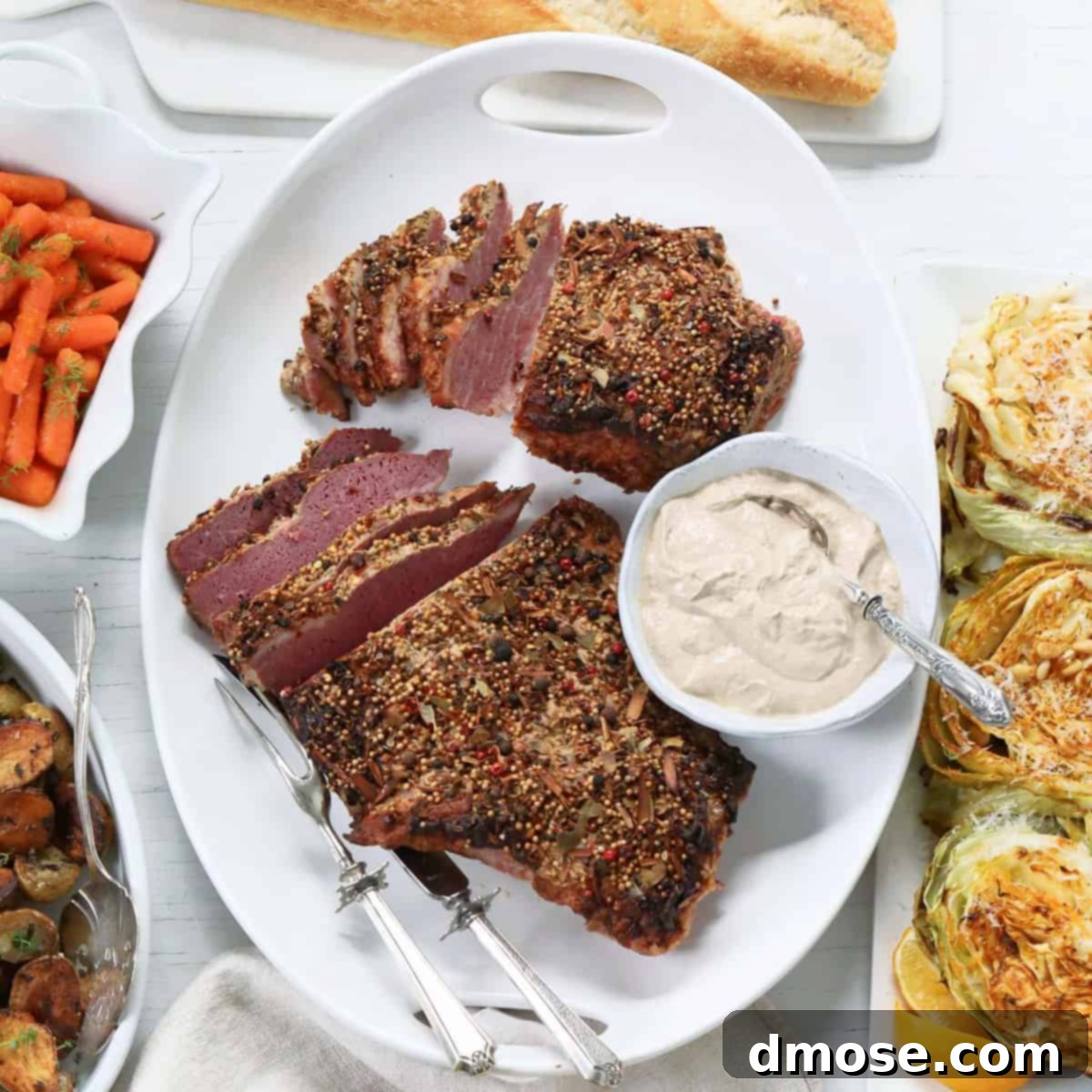
Unlock the secret to crafting the most exquisite Corned Beef, featuring a rich, aromatic spice crust and slices so tender they effortlessly flake with a fork. This iconic dish is more than just a meal; it’s a cherished Irish tradition, especially revered during St. Patrick’s Day celebrations. Prepare to transform your annual corned beef experience into a truly unforgettable culinary event!
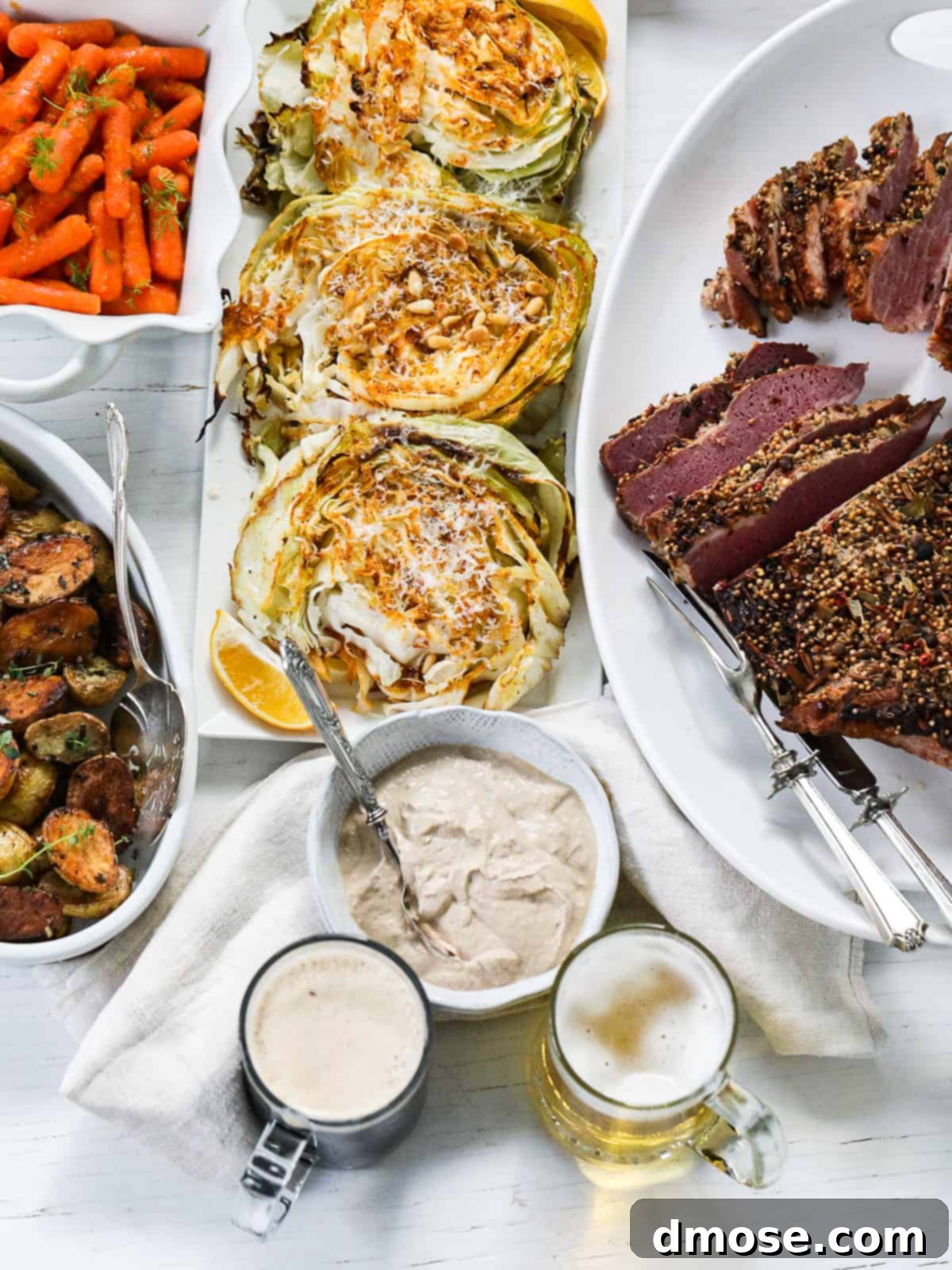
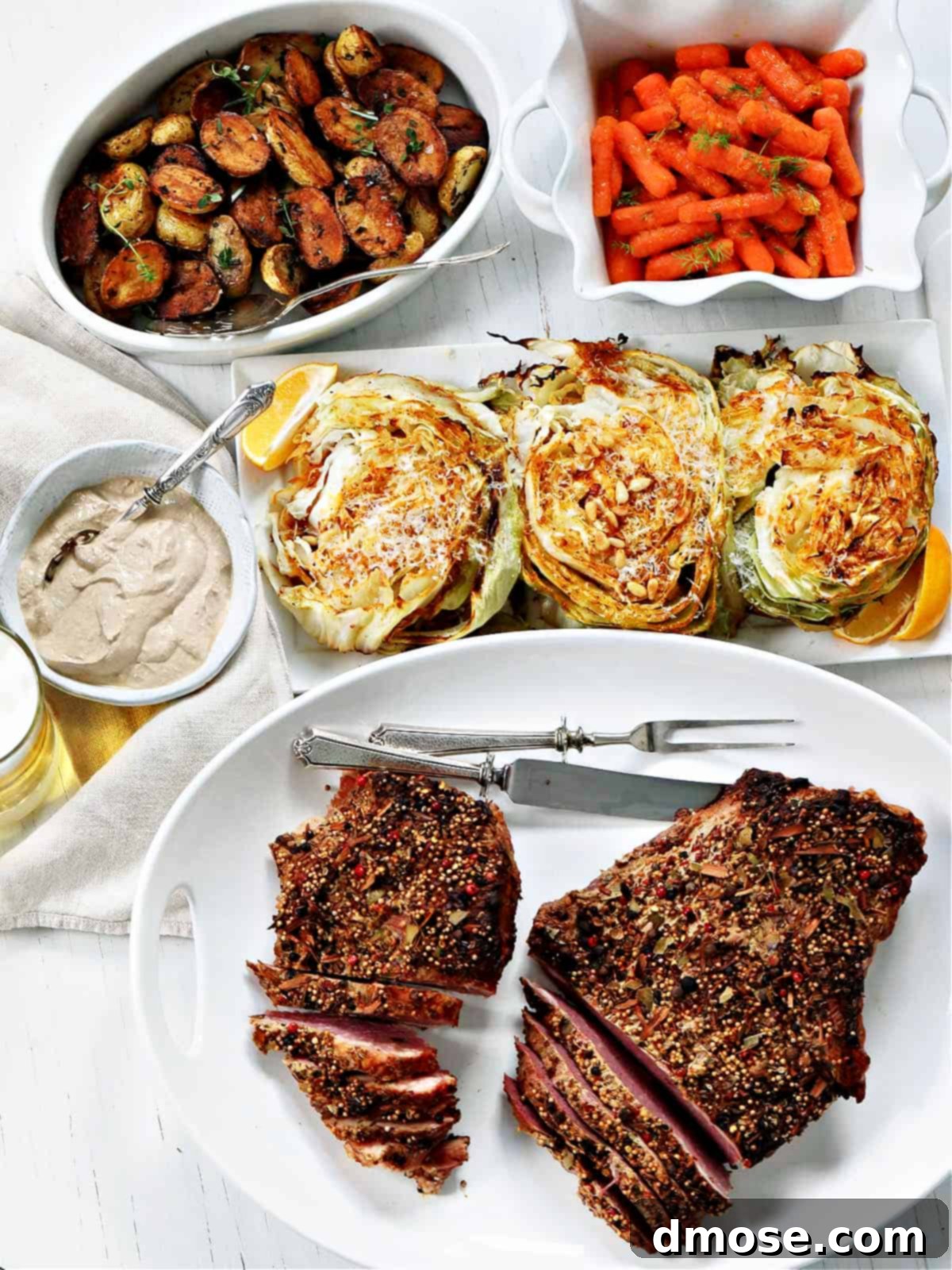
Our easy oven-baked corned beef recipe employs a gentle braising technique, guaranteeing perfectly cooked meat every time. Imagine succulent, melt-in-your-mouth beef, infused with deep flavor, ready to be paired with an array of classic accompaniments. Envision serving it alongside beautifully roasted cabbage wedges, glistening glazed carrots, aromatic rosemary baby gold potatoes, and a creamy, zesty horseradish sauce. While traditionally a once-a-year treat, this magnificent dinner is poised to become a beloved family favorite, gracing your table far more often than just the holidays.
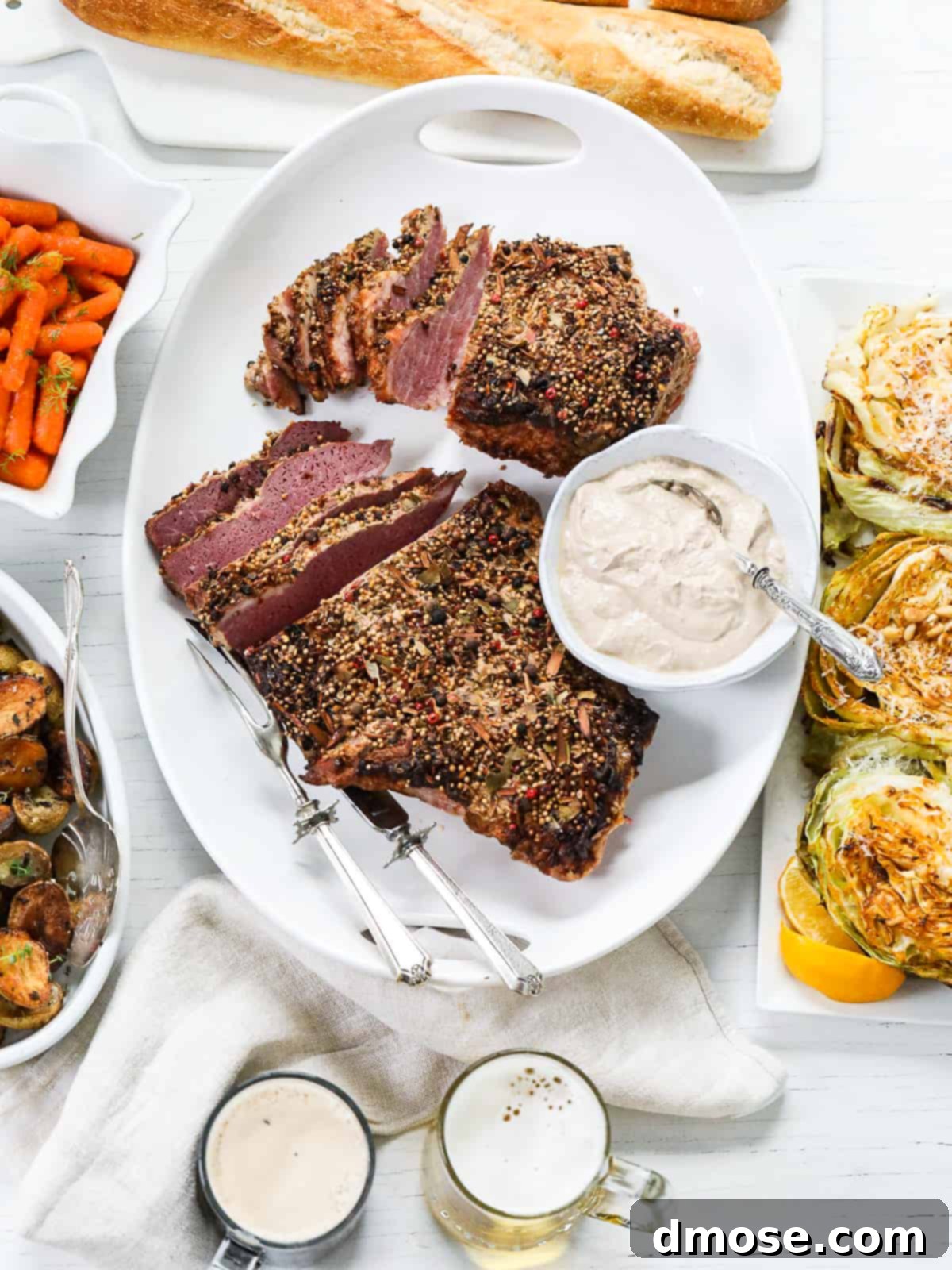
Table of Contents
- The Ultimate Corned Beef Brisket Recipe
- Selecting the Best Cut of Meat for Corned Beef
- Point Cut VS. Flat Cut – Which Brisket is Better?
- Why Does Cooked Corned Beef Remain Pink?
- Advantages of Oven-Baking Corned Beef Brisket
- Knowing When Your Corned Beef is Perfectly Cooked
- Crafting Your Own Pickling Spice Blend
- Homemade Pickling Spices Recipe
- Spice Variations and Culinary Uses
- Corned Beef Frequently Asked Questions
- More Delightful St. Patrick’s Day Recipes
The Ultimate Corned Beef Brisket Recipe
Creating the best corned beef dinner requires attention to detail, transforming a simple piece of meat into a fork-tender masterpiece. This guide will walk you through achieving the perfect corned beef brisket, complete with delightful side dishes that complement its rich flavor. The two most critical aspects are choosing the correct cut of beef and mastering the braising technique. These fundamental tips are paramount to your success, promising a meal that will impress even the most discerning palates.
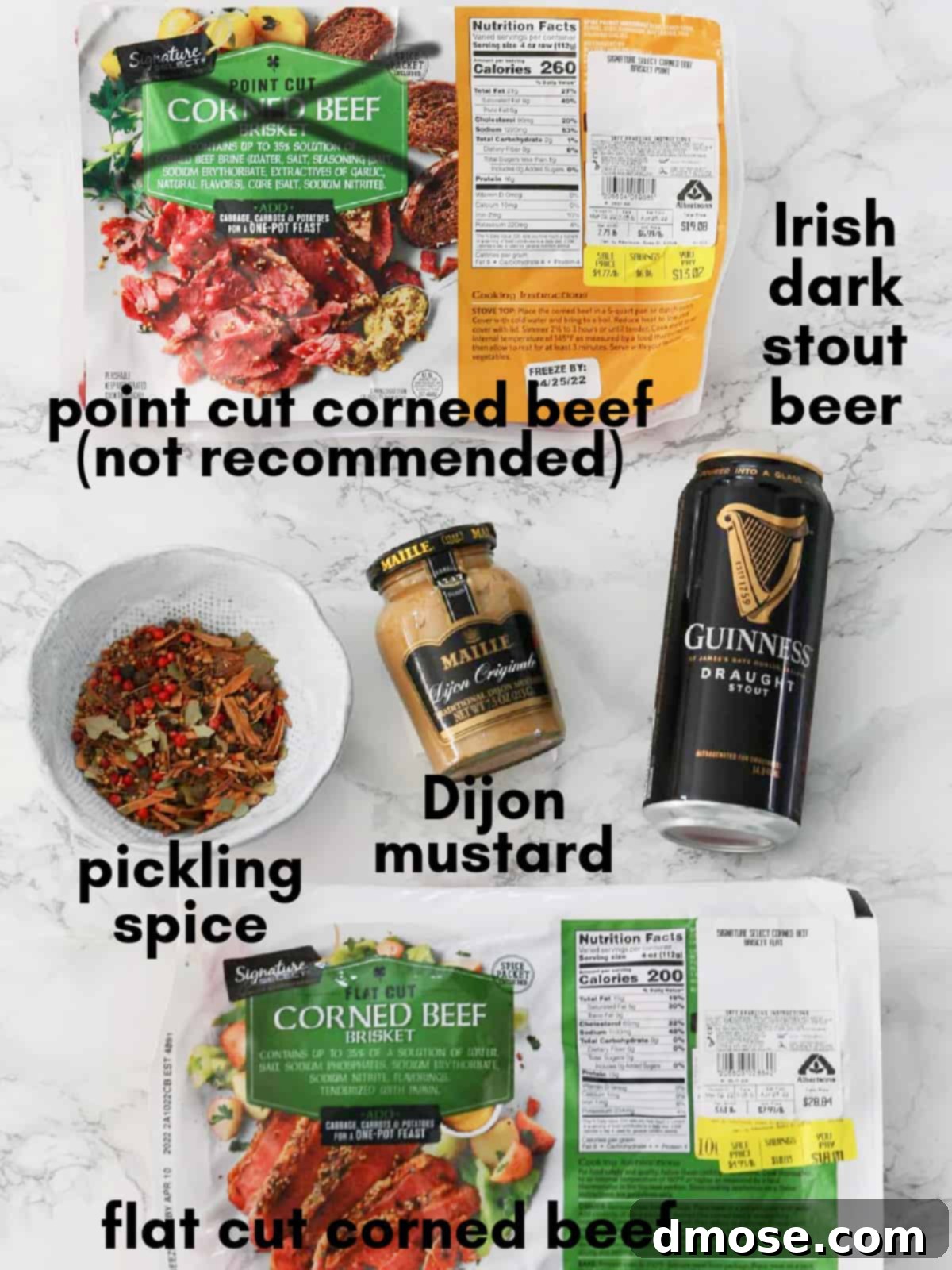
Our method involves using a high-quality flat-cut brisket, generously coated in Dijon mustard and a fragrant spice blend. The brisket is then gently submerged in stout beer or beef broth within a sturdy roasting pan, ensuring it cooks in a flavorful, moist environment. This slow, low-temperature braising method in the oven, typically around 45 minutes to 1 hour per pound, is what transforms the brisket into incredibly tender, juicy slices. The result is a versatile dish, perfect for an elegant dinner or as the star ingredient in classic Reuben sandwiches. Here’s a closer look at the essential ingredients you’ll need for this culinary journey:
- Flat-Cut Corned Beef Brisket: The foundation of our perfect corned beef, chosen for its ideal texture and marbling.
- Guinness Dark Beer (or 16-ounce pint): Adds a rich, malty depth to the braising liquid, enhancing the beef’s flavor profile. Beef broth or stock can be substituted for an alcohol-free alternative.
- Water: Used to ensure sufficient liquid for braising, keeping the brisket moist and tender.
- Dijon Mustard: Applied directly to the brisket, it creates a tangy, savory crust and helps the spices adhere beautifully.
- Pickling Spice (Beef Seasoning): A crucial blend of whole spices that infuses the beef with its characteristic aromatic flavor. Homemade is always recommended for maximum freshness.
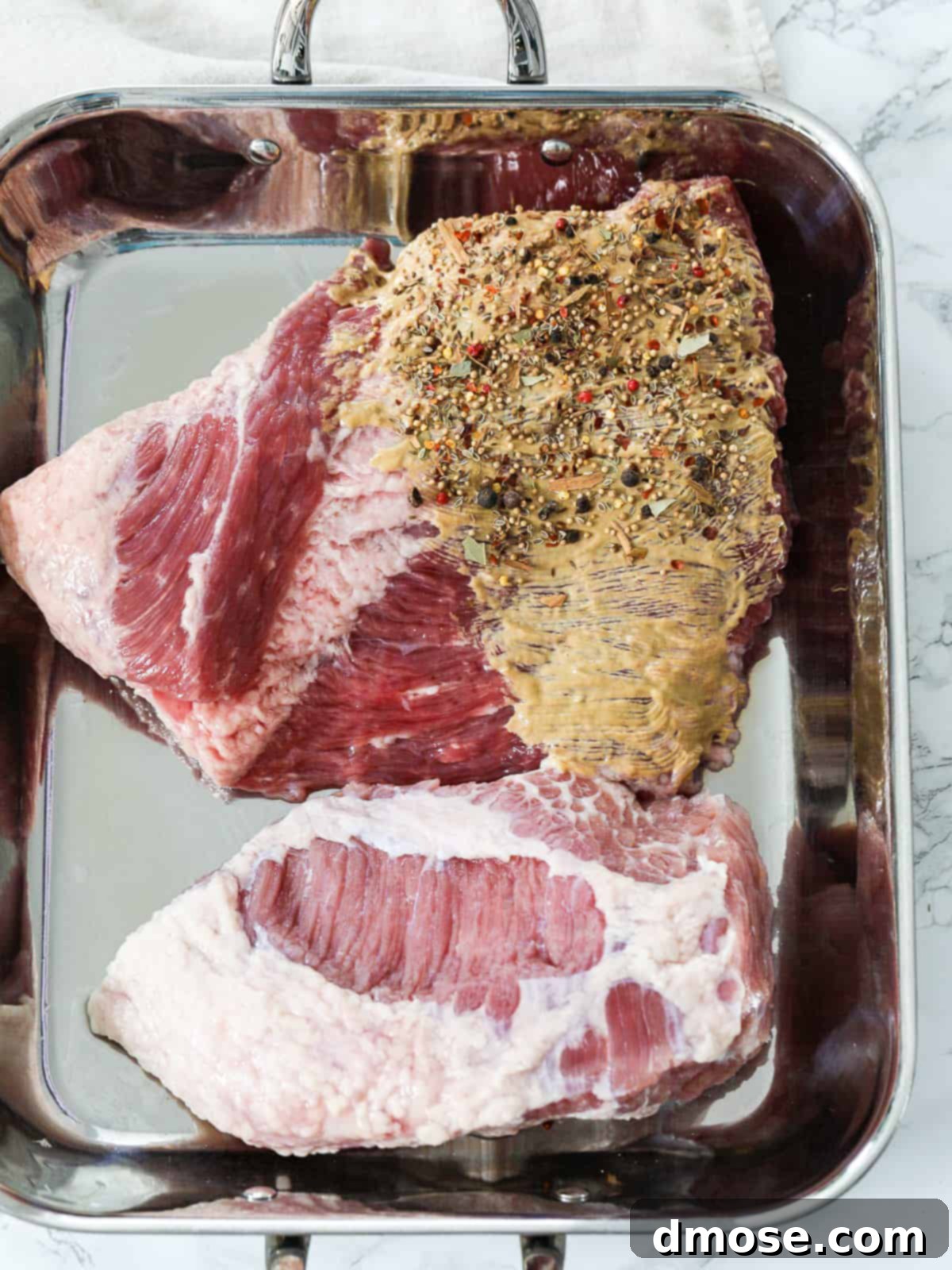
Step-by-Step Instructions for Oven-Baked Corned Beef Brisket
- Prepare the Spice Blend: If opting for homemade, prepare your pickling spice mix as outlined in the section below. Set aside for later use.
- Preheat Oven: Set your oven to 350 degrees Fahrenheit (175 degrees Celsius) to ensure it reaches the ideal cooking temperature.
- Rinse and Pat Dry the Brisket: Carefully unwrap the corned beef brisket. Rinse it thoroughly under cool running water for several minutes. This step is crucial to remove any excess salty brine from the curing process, which can otherwise make the final dish overly salty. Pat the brisket completely dry with paper towels; a dry surface helps in forming a delicious crust. Discard the pre-packaged spice packet that often comes with the brisket, as we will be using our own superior blend.
- Prepare for Roasting: Place the entire brisket into a large, sturdy roasting pan or baking dish. Position it with the fat cap facing upwards. This allows the fat to slowly render and baste the meat, adding moisture and flavor as it cooks.
- Apply Mustard and Spices: Evenly brush approximately ¼ cup of Dijon mustard over the top and sides of the brisket. This layer acts as a binder for the spices and contributes a delightful tang. Then, generously sprinkle about 3 tablespoons of your pickling spice mix over the entire surface of the brisket, ensuring good coverage for maximum flavor.
- Add Braising Liquid: Pour the dark stout beer around the base of the meat in the roasting pan. If you prefer not to use beer, beef stock or broth makes an excellent substitute. Add enough water to the pan so that the total cooking liquid comes up to approximately 1 inch high around the sides of the meat, but do not submerge the top. This creates a moist braising environment without washing off the spice crust.
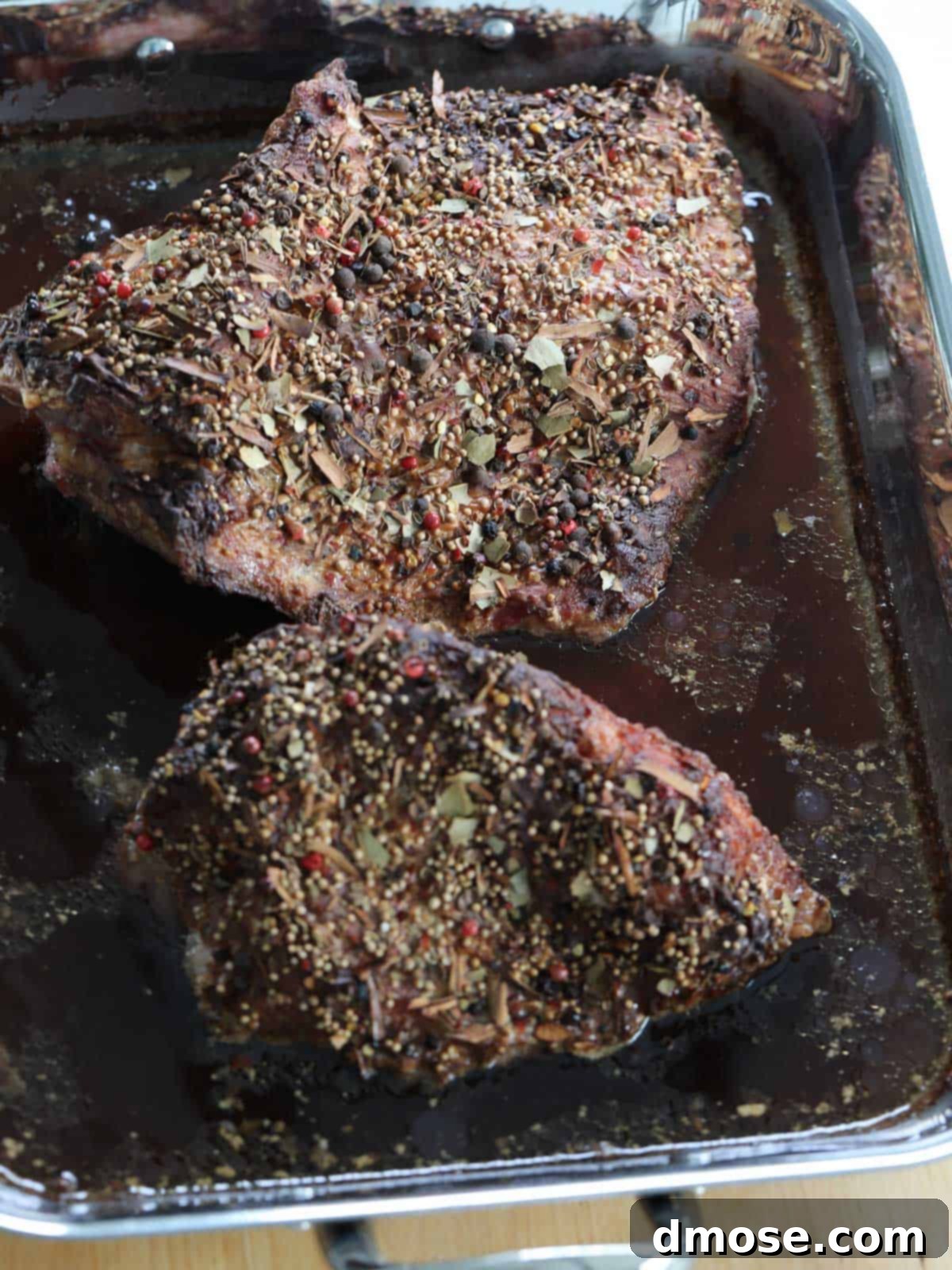
- Oven Bake: Transfer the roasting pan to the preheated oven. Bake for approximately 45 minutes per pound, which typically translates to about 3 hours for an average 3-5 lb brisket. The exact cooking time may vary based on your oven and the brisket’s thickness. To confirm doneness, slice off a small piece and check for tenderness—it should be easily shreddable with a fork. The internal temperature of the meat should reach a minimum of 145 degrees Fahrenheit (63 degrees Celsius). Once cooked, carefully discard the pan contents; the braising liquid will have absorbed much of the excess salt and fat.
- Monitor Liquid Level: Around the 1 ½ hour mark, check the liquid level in the roasting pan. If it appears low, add another cup of water, stout, or beef stock to ensure the brisket remains adequately braised and moist.
- Rest the Meat: Once cooked, carefully transfer the hot brisket to a clean cutting board. Allow it to rest for at least 20-30 minutes before slicing. Resting is vital as it allows the juices to redistribute throughout the meat, resulting in a more tender and flavorful final product.
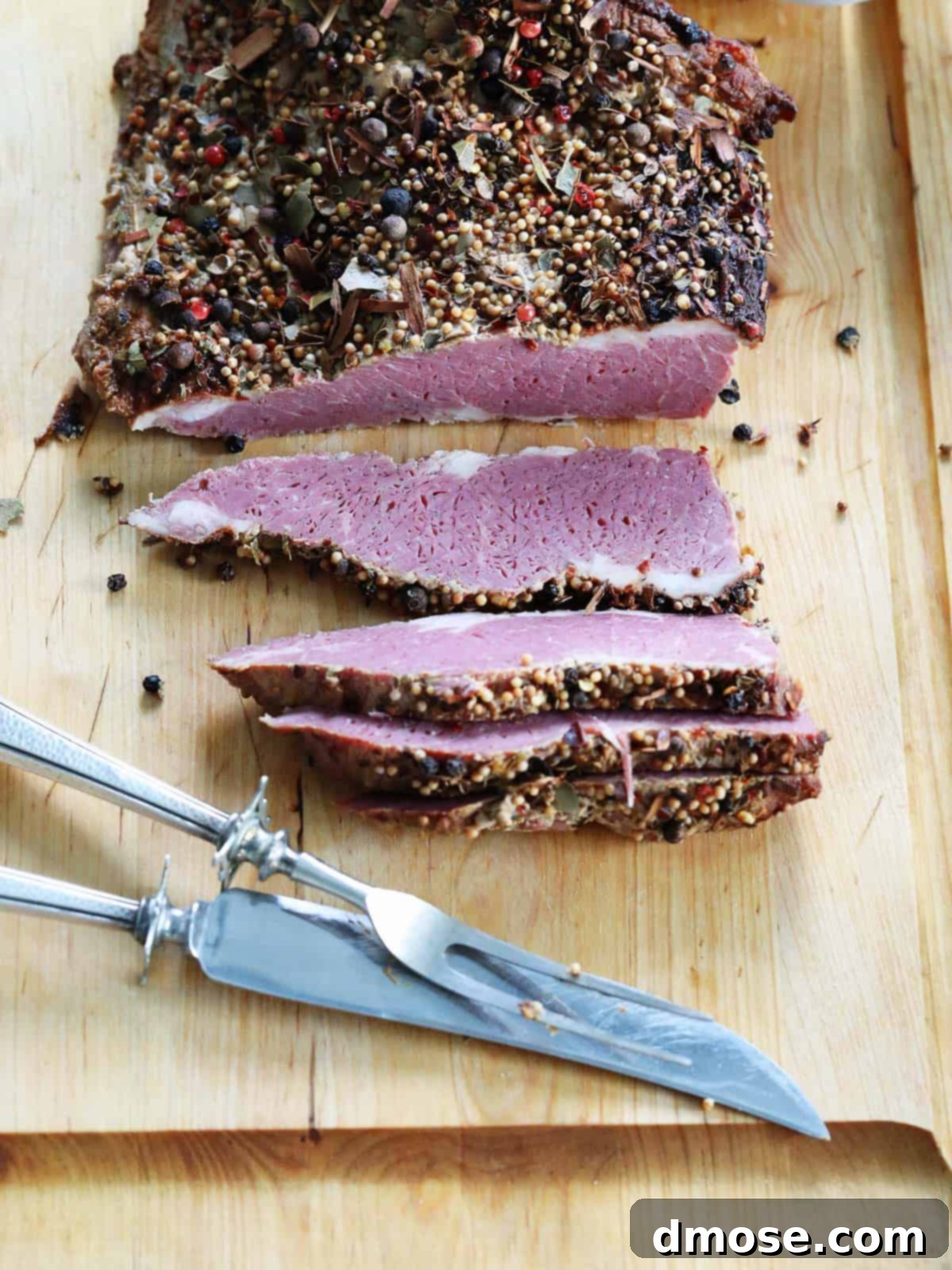
- Slice Against the Grain: Locate the grain of the meat (the direction in which the muscle fibers run). Slice the brisket at a 90-degree angle, or perpendicular, against this grain into ¼-inch thick slices. Slicing against the grain shortens the muscle fibers, making the meat significantly more tender and easier to chew.
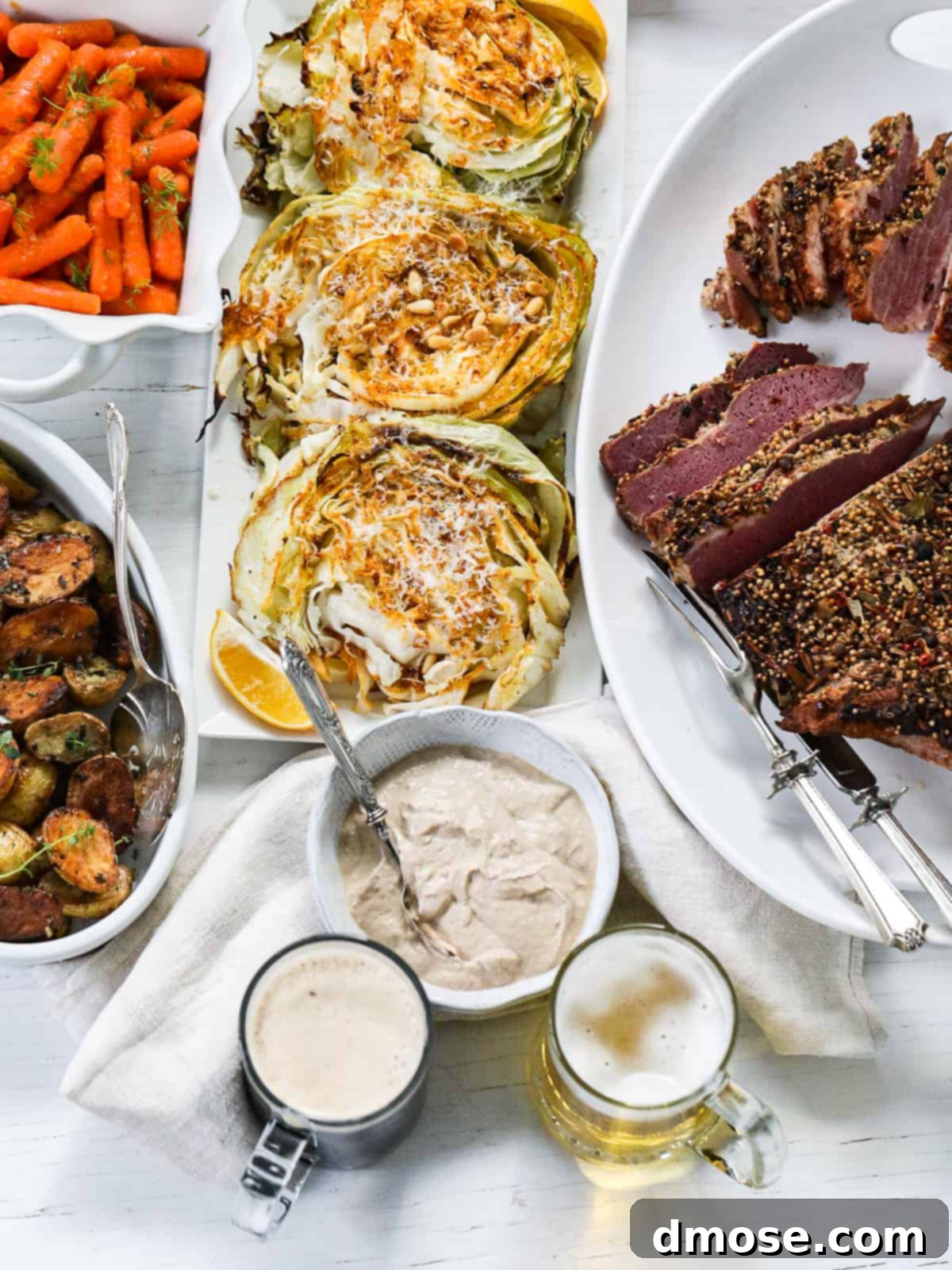
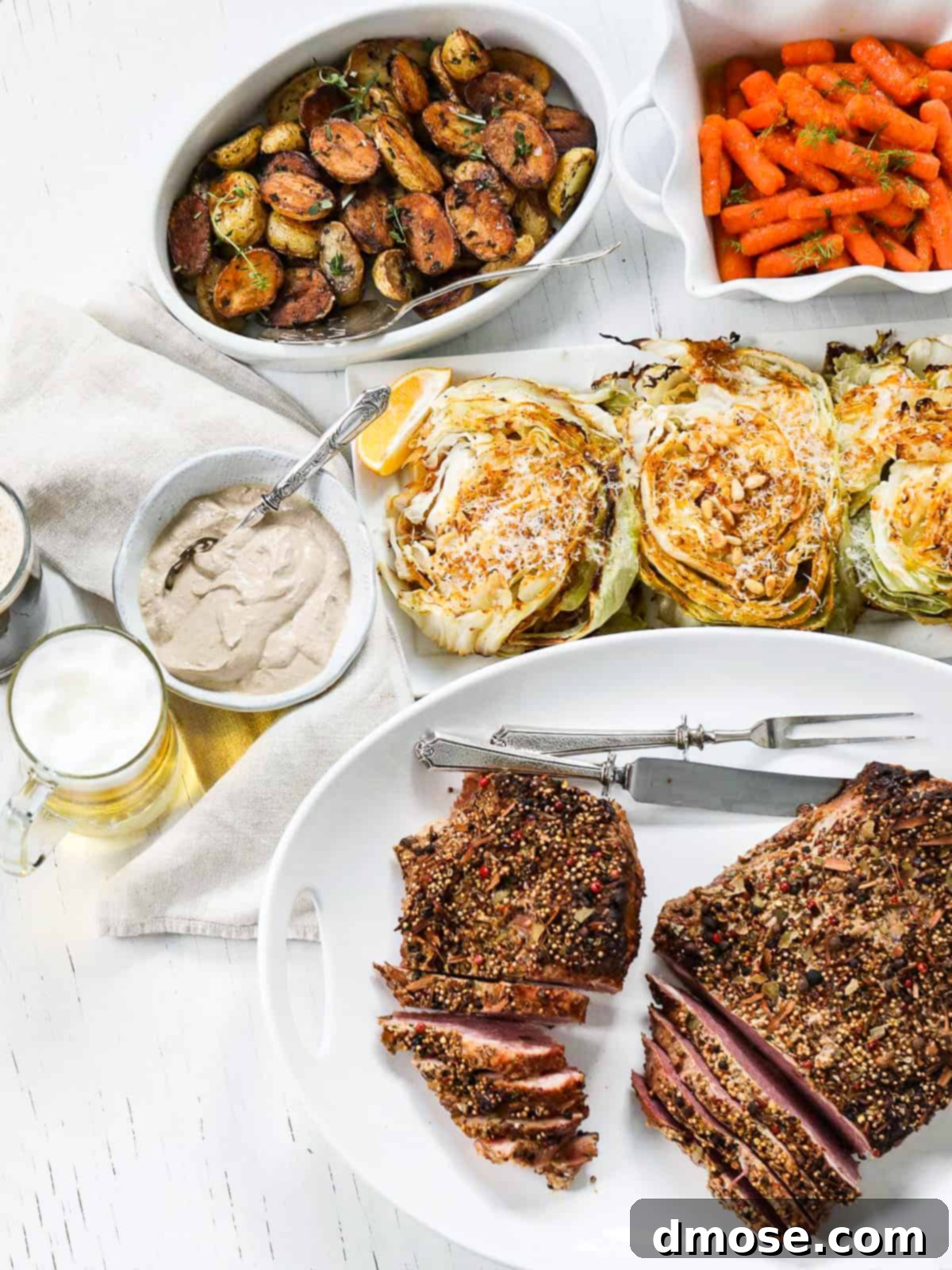
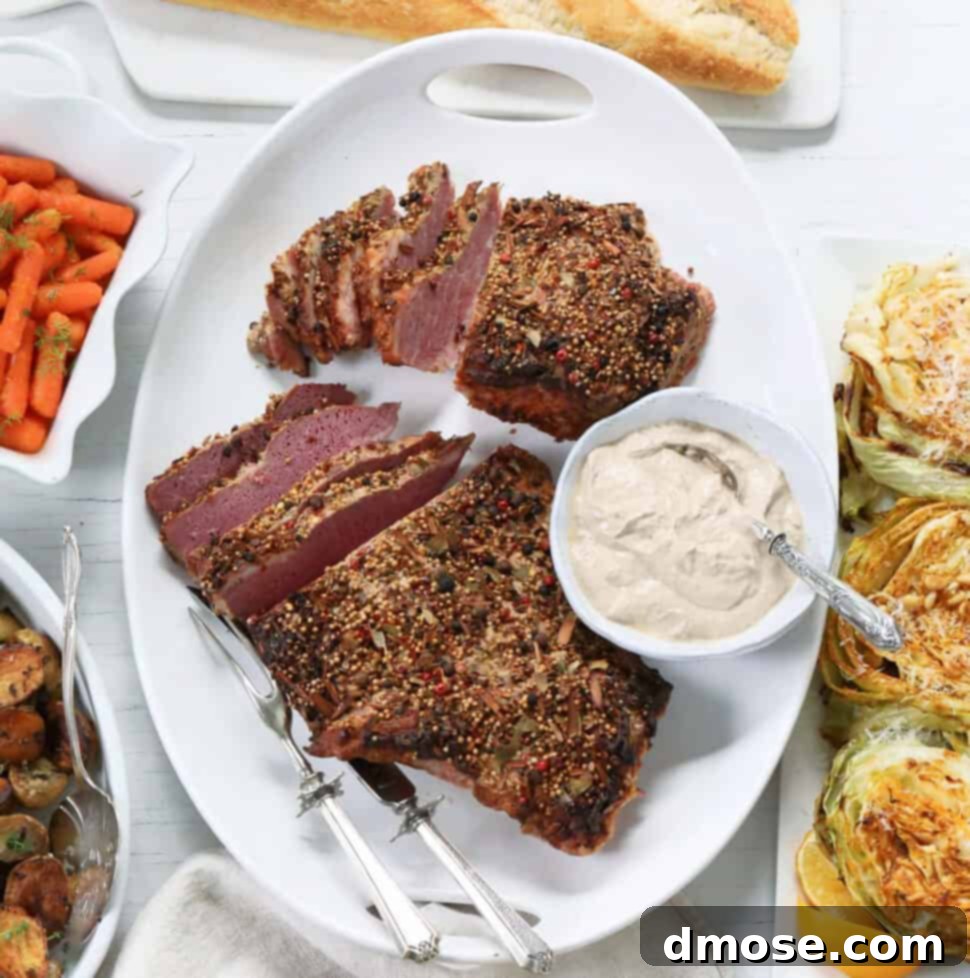
- Serve and Enjoy: Artfully arrange the warm, sliced corned beef on a serving platter. Complement it with classic root vegetables such as crispy roasted cabbage steaks, sweet glazed carrots, and perfectly roasted potatoes. Serve with a generous dollop of horseradish cream sauce, a side of Irish soda bread with butter, and a refreshing Guinness stout beer to complete this magnificent meal!
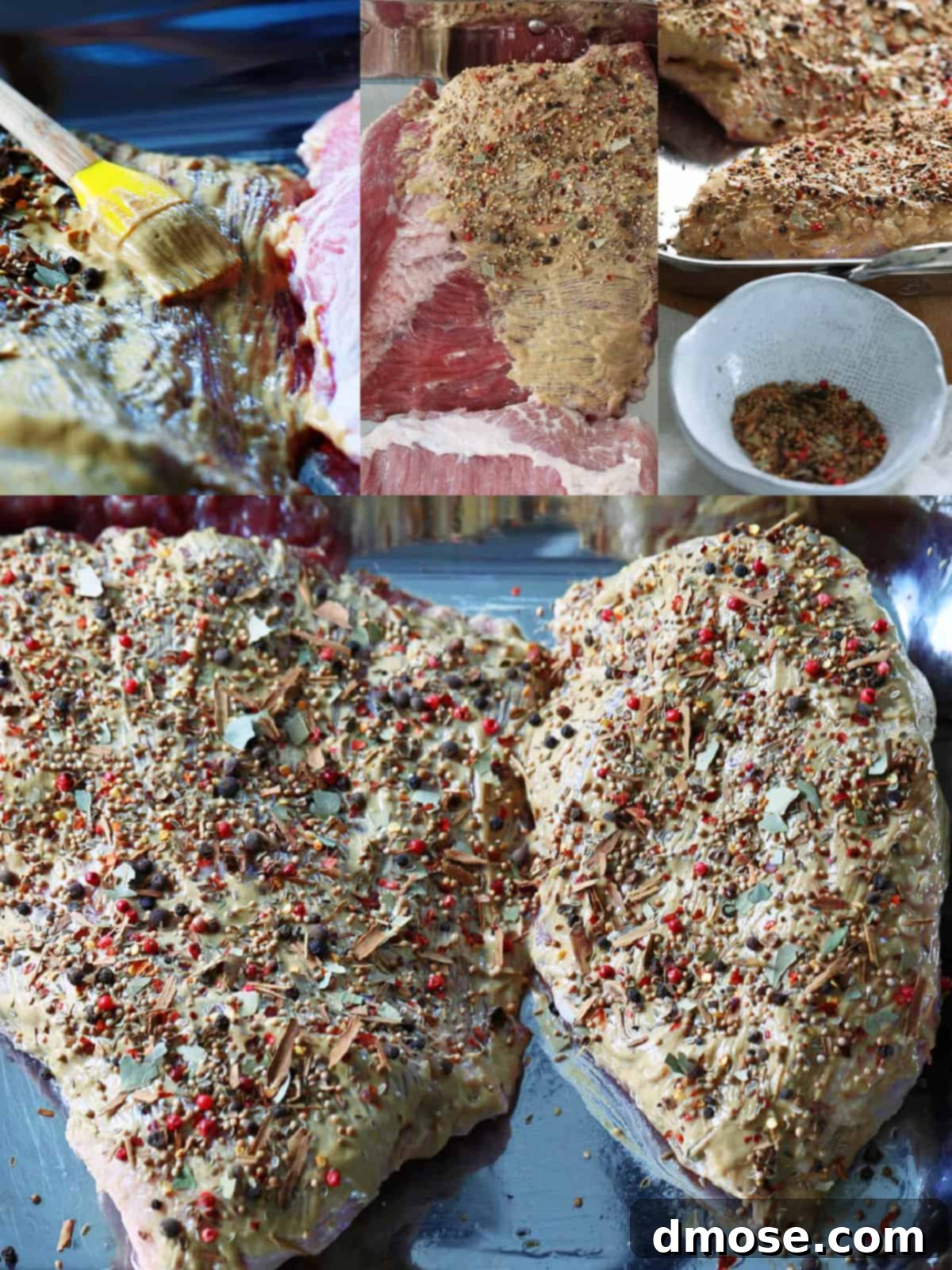
Selecting the Best Cut of Meat for Corned Beef
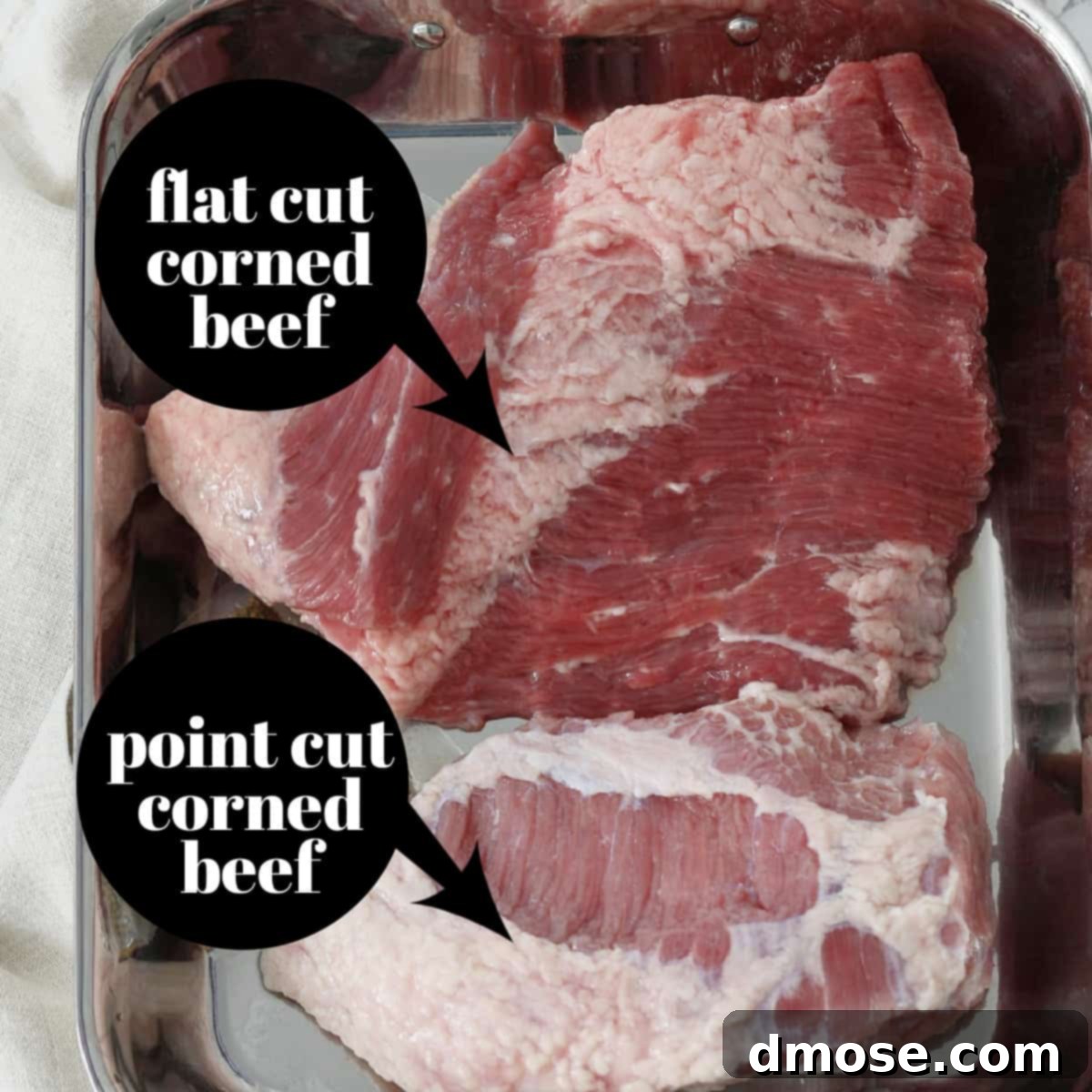
Many people harbor reservations about corned beef, often citing an undesirable texture or flavor. From my experience, this reluctance frequently stems from selecting the wrong cut of meat at the butcher shop or grocery store. In the United States, you’ll primarily encounter two distinct cuts of brisket labeled for corned beef:
- Flat Cut: This is the superior choice, and the one you should always prioritize!
- Point Cut: While usable, it generally doesn’t yield the same quality for slicing.
So, what exactly is the “corning” of a beef brisket? It refers to a specialized processing technique where the beef is brined – cured in a saltwater solution – at the meat packing facility. This brining process is fundamental to creating corned beef, imparting its distinctive flavor and texture. When you see packages simply labeled “brisket” at the store, understand that a flat cut is, in my professional opinion, the only way to go for the best results in this recipe.
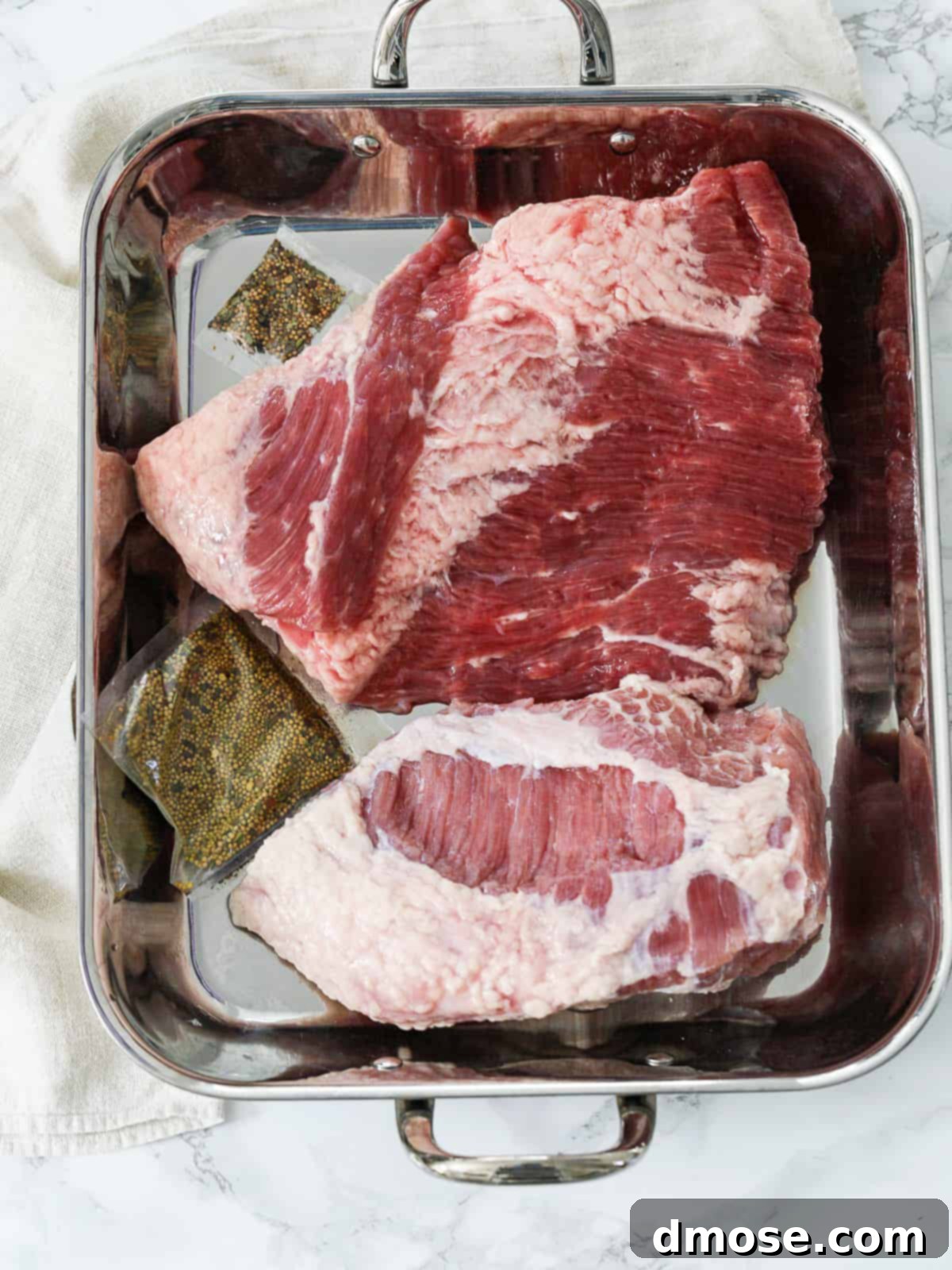
Nearly every package of corned beef comes with a small spice packet. While convenient, these often lack the vibrancy and potency of fresh spices. For a truly exceptional flavor profile, I highly recommend making your own spice mix. The difference in freshness and aromatic complexity is undeniable.
PRO TIP: Many recipes suggest that either point cut or flat cut brisket can be used interchangeably. However, I have personally conducted side-by-side tests of both cuts using this specific oven-baked recipe. The results were unequivocally clear: the Flat Cut wins hands down as the best choice for brisket. It consistently delivers the most tender, flavorful, and beautifully sliced corned beef, making it the preferred cut for baking.
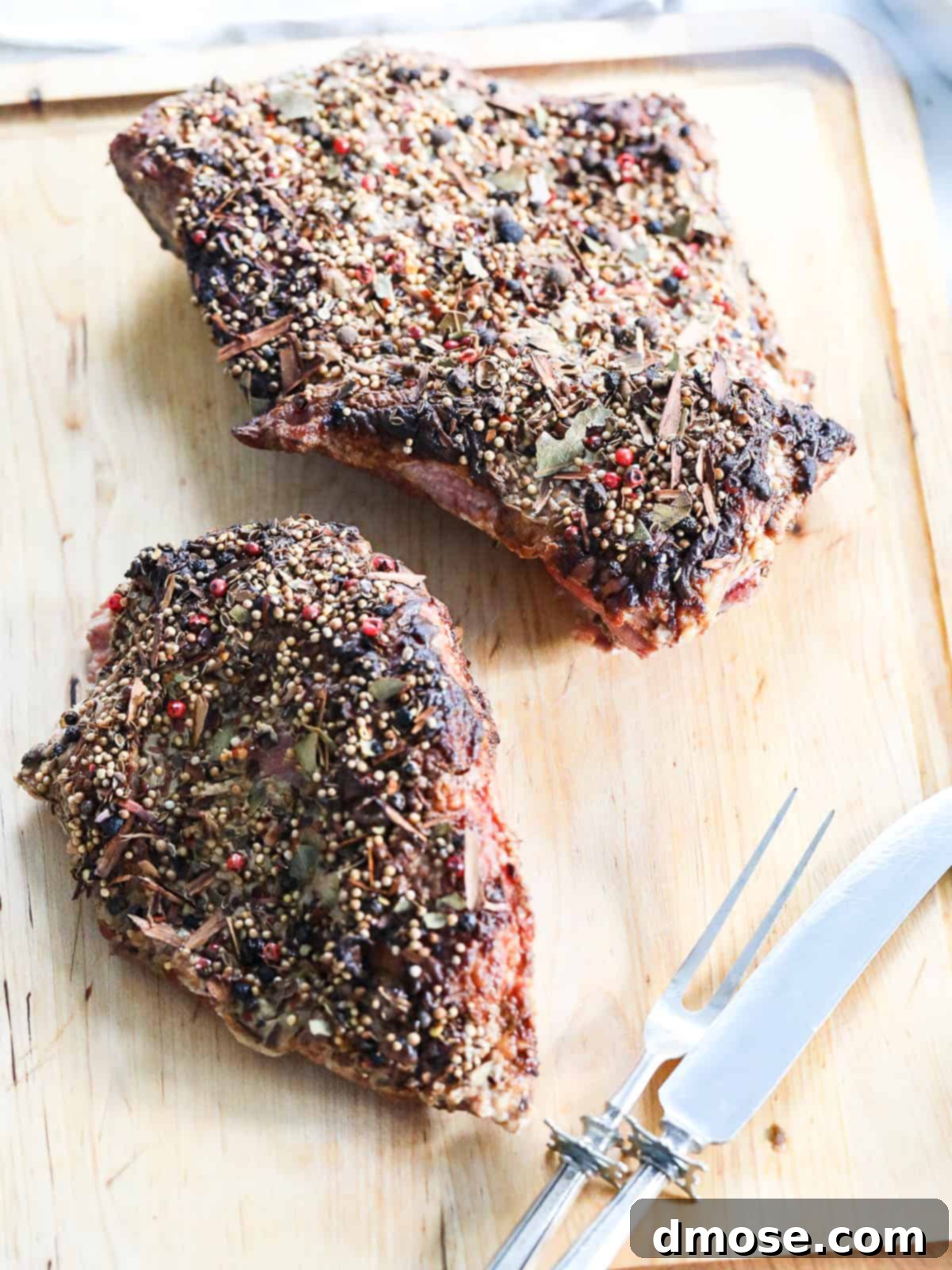
Point Cut VS. Flat Cut – Which Brisket is Better?
Corned beef is derived from the brisket, a hardworking and less tender cut of beef located in the chest muscle, just above the front legs of the cattle. Due to its muscular nature, brisket naturally contains visible muscle fibers, making it a cut that benefits greatly from slow, moist cooking methods. Despite its initial toughness, it is a high-quality cut prized for its rich beefy flavor when prepared correctly. When shopping, you’ll typically encounter two main types of brisket cuts, and understanding their differences is key to achieving your desired corned beef perfection.
Brisket generally thrives under long, braised, moist cooking conditions. Various popular cooking methods include stovetop simmering in a large Dutch oven, oven-baking in a roasting pan, slow cooking in a crock-pot, or even high-pressure cooking in an Instant Pot. Each method has its proponents, promising tender results.
However, these alternative methods can come with certain drawbacks regarding taste, texture, and overall ease of preparation for a specific outcome. This particular recipe, an oven-baked braising method, truly shines and performs best when exclusively prepared with a flat-cut brisket. This is my personal preference and strong recommendation for achieving the optimal flavor, texture, and presentation described.
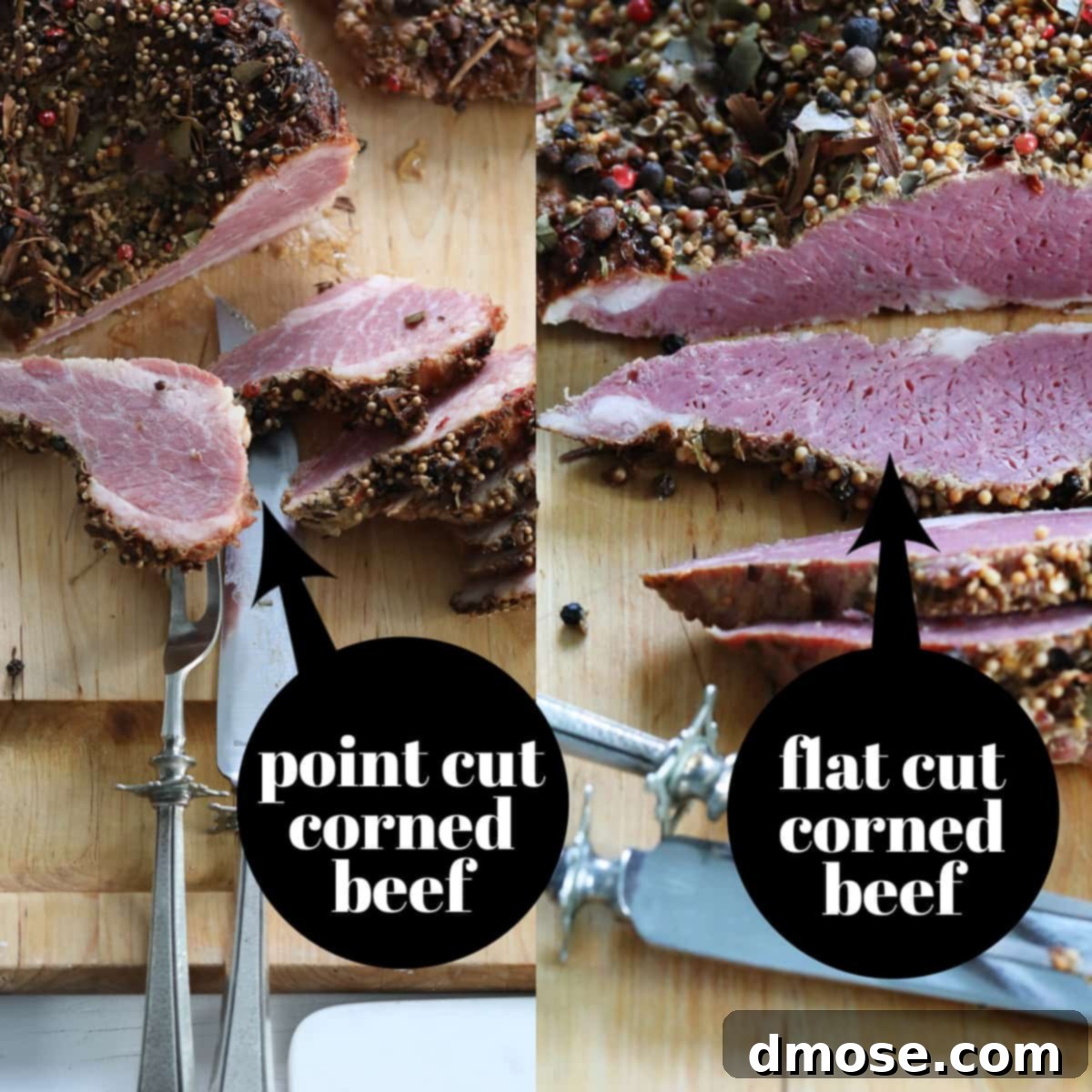
Point Cut Brisket
The Point Cut is easily identified by its distinctive pointed shape and more pronounced muscle fiber lines. It’s known for:
- Being slightly less expensive per pound compared to the flat cut, offering a budget-friendly option.
- Featuring more wide bands of fat marbling throughout the meat, contributing to a richer, fattier texture.
- Often having a substantial, thick fat cap layer distributed across its surface, resulting in a higher overall fat content.
- Typically yielding a chewier bite and tougher texture when prepared using oven-baking methods, due to its composition.
- Cooking better in a slow cooker over extended periods, or under high pressure in an Instant Pot, which helps break down its tougher fibers.
- Being an excellent choice for dishes like corned beef hash, where the meat is shredded or diced.
- Suitable for Reuben sandwiches if diced small or sliced very thinly, accommodating its texture.
Flat Cut Brisket
The Flat Cut, also known as the “first cut,” is generally a sizable, rectangular piece of meat, characterized by a thick layer of fat on top (the fat cap). It is highly favored for its:
- Incredible tenderness, often shredding effortlessly with a fork even after being oven-baked.
- Leaner profile with less internal marbling compared to the point cut, offering more lean meat per serving.
- Consistently flavorful outcome, providing a rich, satisfying beef taste.
- Ease of slicing into uniform, attractive portions, making it ideal for presentation.
- Superior presentation on a platter due to its consistent shape and leaner texture.
- Reputation as the best cut of brisket for achieving corned beef perfection, especially when sliced for serving.
- Versatility, as it is also excellent for preparing hash or classic Reuben sandwiches, maintaining its tender quality.
It’s important to note that a full brisket typically includes both the knobby point cut overlapping the more rectangular flat cut. The point cut contains more marbling and fat, while the flat cut offers a leaner, more uniform meat texture.
Why Does Cooked Corned Beef Remain Pink?
The distinctive, vibrant pink hue of corned beef, even after it’s thoroughly cooked, is a result of its unique preparation process. Commercial corned beef begins as a standard beef brisket, which then undergoes a specialized brine-curing treatment. The term “corned” itself historically refers to this brining process, where the meat is cured with large “corns” of salt. However, in modern processing, the pink color is primarily attributed to the addition of sodium nitrate (or a similar curing agent) to the salt brine solution.
Sodium nitrate serves multiple critical functions beyond just imparting color. It acts as a powerful preservative, inhibiting the growth of harmful bacteria like Clostridium botulinum, which is responsible for botulism. Additionally, it contributes significantly to the unique flavor profile of corned beef and helps to maintain the meat’s texture during the curing process. While it does contribute to the overall sodium content, its primary role in processed meats is preservation and enhancing desirable characteristics.
PRO TIP: Given the significant salt content introduced during the brining process, it is absolutely crucial that you do not add any additional salt – whether it be pink curing salt, kosher salt, or common table salt – to your corned beef recipe. The brine already provides ample saltiness, and adding more will result in an overwhelmingly salty, unpalatable dish.
Advantages of Oven-Baking Corned Beef Brisket
While many traditional recipes for corned beef and cabbage call for boiling or stovetop simmering, once you experience the profound difference of oven-baking, especially when served with a complementary horseradish sauce, you may never revert to other methods. This technique offers numerous advantages that elevate corned beef from a simple boiled dish to a truly exceptional culinary experience.
Each cooking method for corned beef has its merits, often requiring lengthy simmering times. However, the oven-baked approach stands out because it allows for the development of a desired crust on the brisket’s surface. The traditional method of hours at a low simmer, whether on the stovetop or in a slow cooker, has been cherished for generations. Similarly, cooking in an Instant Pot provides speed, but these methods often lack the ability to create that beautiful, flavorful crust. Furthermore, with pressure cooking, the fat cap may not render down as effectively, often requiring it to be trimmed off later. For truly best results – a tender interior with a delicious, savory crust – investing in a good quality flat-cut corned beef and baking it in the oven is the superior path.
- Efficiency and Flavor: Oven baking is a highly efficient way to cook this cut, often resulting in delicious outcomes in less time than prolonged simmering methods. It also concentrates the beef’s natural flavors, creating a more robust and satisfying taste.
- Superior Fat Rendering and Crust: One of the primary benefits of baking is how it beautifully reduces the fat layer. As the beef cooks, the fat renders slowly, basting the meat and contributing to a delectable, slightly crispy exterior crust. This crust adds a textural contrast and depth of flavor that boiling or steaming simply cannot achieve.
- Unparalleled Tenderness: The controlled, consistent heat of oven braising ensures your corned beef cooks to absolute perfection, becoming incredibly tender – so much so that it can be effortlessly pulled apart with a fork.
- Enhanced Flavor with Dry Rub: Taking a little extra time to prepare a homemade dry rub mixture of whole pickling spices makes a significant difference. This aromatic blend not only infuses the beef with exceptional flavor but also creates a beautiful, appetizing color on the surface. Moreover, this versatile spice mix has numerous other uses in your kitchen.
- Elegant Presentation: Oven cooking allows for the dish to be beautifully presented directly from the roasting pan, making it an easy and impressive centerpiece for dinner, surrounded by all its delicious side dishes.
- Elevated Leftovers: The quality of oven-baked corned beef transforms leftovers into gourmet meals. The day after, you can easily craft a “New York-style deli sandwich” with toasted rye bread, tangy sauerkraut, creamy thousand island dressing, thin slices of that tender corned beef, and melted Swiss cheese. It’s an incredible and arguably the most delicious way to enjoy any remaining meat.
Knowing When Your Corned Beef is Perfectly Cooked
Determining the doneness of corned beef requires a specific approach, primarily because its inherent pink color, a result of the nitrite in the curing process, will persist even after it’s fully cooked. Therefore, visual cues regarding color alone are not sufficient indicators of doneness.
The most reliable method to ascertain if your brisket is thoroughly cooked and achieves that coveted tenderness is to perform a simple test: slice off a small piece and evaluate its texture. It should be easily shreddable and delightfully tender to chew, indicating that the connective tissues have broken down sufficiently.
Once removed from the oven, it is crucial to allow the brisket to rest for approximately 20 to 30 minutes before slicing. This resting period is vital for several reasons: it allows the internal juices to redistribute throughout the meat, ensuring every slice remains moist and flavorful, and it makes the brisket significantly easier to slice cleanly. Always slice the meat across the grain (perpendicular to the direction of the muscle fibers) to maximize tenderness.
The cooking times provided in this recipe are general guidelines for most brisket cuts and assume you are cooking beef that has been properly thawed and is not frozen at the time of cooking. For absolute food safety and optimal results, always cook corned beef brisket to a minimum internal temperature of 145°F (63°C). This temperature should be accurately measured with a reliable meat thermometer. We highly recommend using a good wireless meat thermometer with probes for continuous monitoring, or checking with an instant-read meat thermometer in the thickest part of the meat before taking it out of the oven.
Crafting Your Own Pickling Spice Blend
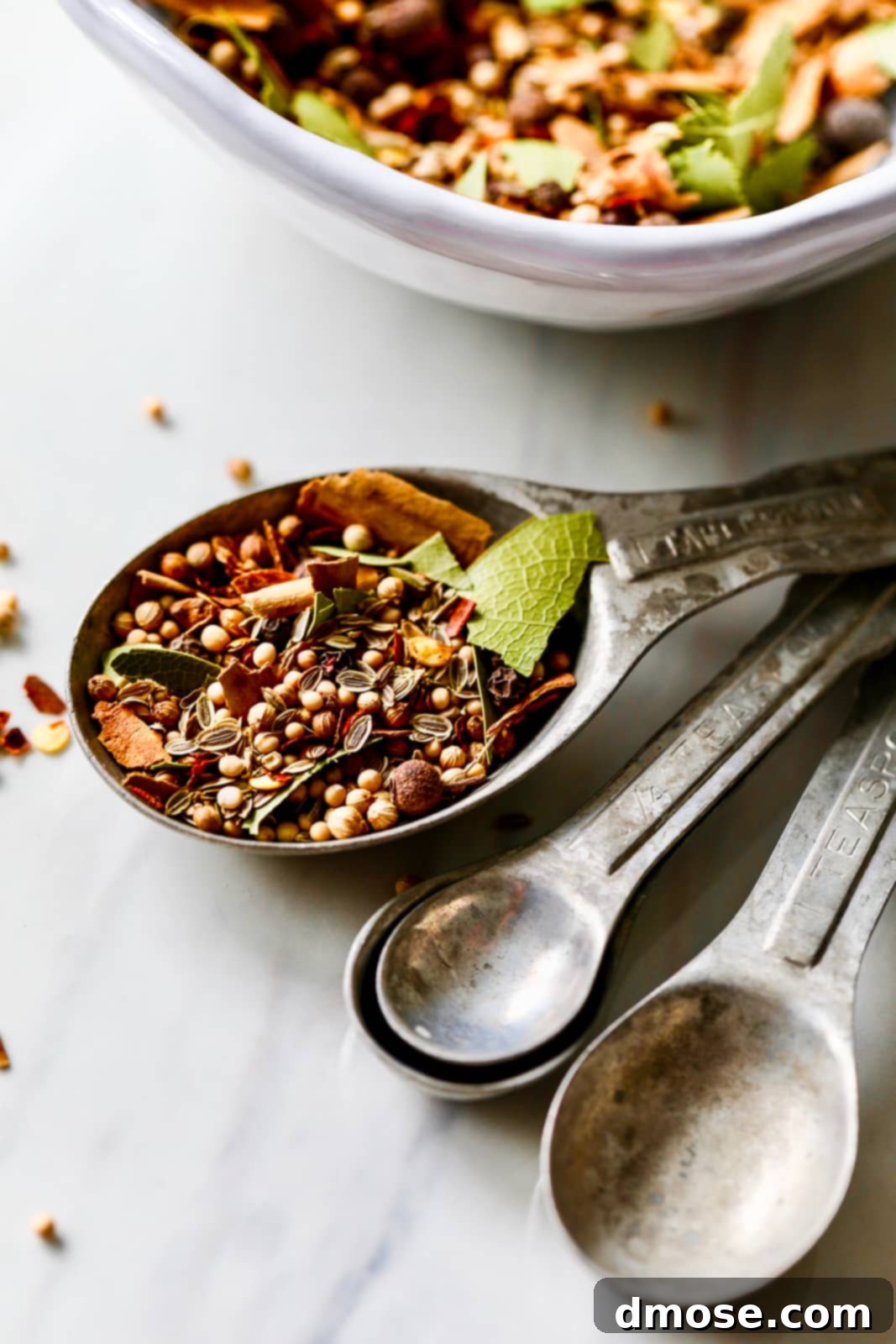
For an unparalleled depth of flavor in your corned beef, move beyond the often-dull, pre-packaged spice mixes that come with store-bought briskets. This homemade seasoning blend is designed to replace those lackluster packets, allowing you to infuse your corned beef with fresh, vibrant, and incredibly aromatic spices. You’ll typically need about 2-3 tablespoons of this blend for a 3-4 lb brisket. Commercial spice packets can vary wildly in size and quality, often containing anywhere from 1 to 4 tablespoons of less-than-fresh spices. Crafting your own ensures maximum potency and flavor.
Homemade Pickling Spices Recipe
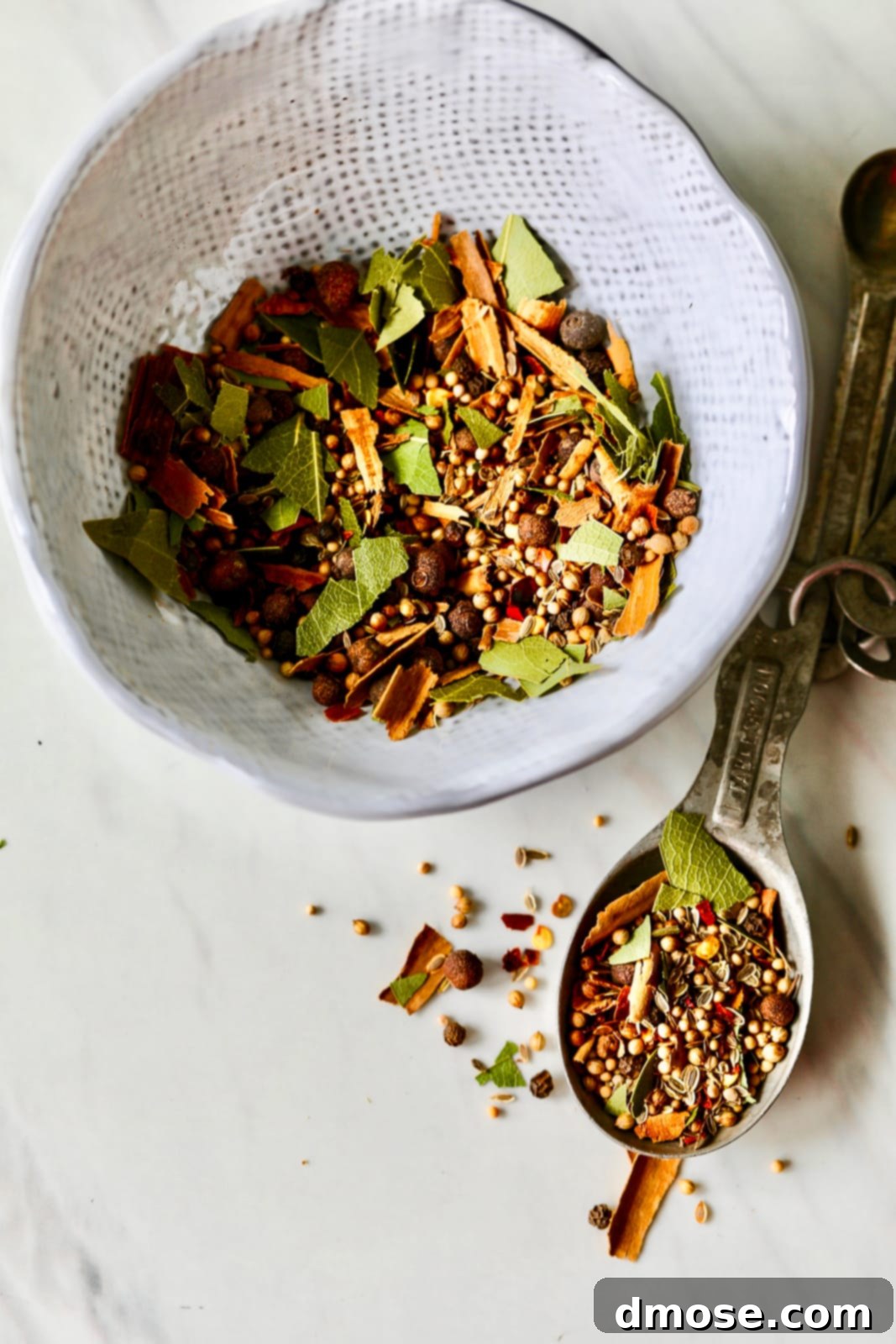
This recipe primarily calls for whole spices, which I prefer for their aesthetic appeal and the way they slowly release their flavors. However, if you desire a finer texture or more intense immediate flavor, you can certainly grind these ingredients using a spice grinder, a dedicated spice mill, or a traditional mortar and pestle.
- 1 tablespoon whole coriander seeds: For an added layer of complexity and aroma, lightly toast the coriander seeds in a dry pan over medium heat until fragrant, then let them cool before mixing.
- ½ cinnamon stick: Provides a subtle warmth and sweetness. You may break it into smaller pieces.
- 1 tablespoon dill seed: Adds a fresh, slightly tangy, and herbaceous note.
- 1 tablespoon whole allspice berries: Contributes a complex flavor reminiscent of cloves, nutmeg, and cinnamon.
- 1 teaspoon crushed red pepper flakes: Offers a gentle kick and warmth; adjust to your preferred spice level.
- 5 dry bay leaves: Crush these by hand to release their aromatic oils for a savory, herbaceous base.
- 1 teaspoon black peppercorns: Whole black peppercorns are ideal, but feel free to use pink, white, or a mixed blend for visual interest and varied peppery notes. Freshly ground black pepper can also be used if whole peppercorns are unavailable.
- 1 tablespoon yellow mustard seeds: Provides a pungent, earthy, and slightly sharp flavor that is characteristic of corned beef.
Combine all these exquisite spices in a small bowl, mixing them thoroughly. Store your homemade pickling spice blend in a small glass jar or an airtight container in a cool place, away from direct sunlight. When stored correctly, it will retain its maximum flavor and potency for approximately 3-4 months. Always remember to check the freshness of your individual spices, as some have a shorter shelf life, and fresh spices are key to a truly flavorful blend!
Spice Variations and Culinary Uses
For those looking to experiment and add further depth to their pickling spice blend, consider incorporating a few optional ingredients: 2 star anise seeds for a subtle licorice note, 8 whole cloves for warmth, 4 juniper berries for a slightly piney, peppery flavor, 1 teaspoon of ground ginger for a zesty zing, or 2 cardamom pods for an exotic, aromatic twist.
This homemade pickling spice is a remarkably versatile seasoning, extending its utility far beyond just corned beef. It makes an excellent general seasoning for various dishes. You can use it to create delightful Pickled Eggs or to whip up a batch of crisp, flavorful Quick Refrigerator Dill Homemade Pickles. Beyond pickling, this spice mix imparts complex and characteristic flavors to a range of savory dishes, including hearty braised stews, comforting bean dishes, and flavorful rice preparations.
When incorporating these spices into meat stews or other braised dishes, a convenient method is to tie the pickling spices securely into a piece of cheesecloth, creating a sachet (bouquet garni). Use a long piece of butcher’s string to easily retrieve it. Braise this spice sachet directly in the pot or slow cooker alongside your meat until it reaches deliciously tender perfection, infusing the entire dish with its wonderful aroma without leaving loose spices.
Make Ahead Tips for Perfect Corned Beef
Preparing your corned beef in advance can significantly enhance both its flavor and ease of serving. It is highly recommended to cook the brisket the day before you plan to serve it and allow it to chill thoroughly in the refrigerator overnight. This chilling process offers several key advantages:
- Easier, Cleaner Slicing: Chilled corned beef becomes much firmer, making it considerably easier to achieve neat, thin, and uniform slices. This is particularly beneficial for presentation and for preparing it for sandwiches.
- Enhanced Flavor Development: Allowing the cooked meat to rest and chill overnight gives the flavors an opportunity to meld and deepen, resulting in an even more delicious taste.
- Convenient Reheating: You can slice the entire brisket while cold and then reheat only the desired portions for dinner, ensuring each serving is perfectly warm and tender.
Furthermore, preparing the corned beef ahead of time also makes it incredibly simple to create thin, deli-style meat slices, perfect for constructing classic Reuben sandwiches with rye bread, sauerkraut, and melted Swiss cheese. This strategic planning ensures your corned beef is not only delicious but also ready for versatile culinary applications.
Corned Beef Frequently Asked Questions
What is corned beef?
The term “corned” originates from ancient meat preservation techniques. In Anglo-Saxon times, long before modern refrigeration, meat was dry-cured using coarse grains of salt, which were referred to as “corns” due to their kernel-like size. The use of “corned” in this context dates back as far as 888 AD, appearing in the Oxford English Dictionary.
It is believed that Irish immigrants likely introduced this method to colonial America, curing cuts of beef in stoneware crocks, packing them with rock salt to prevent spoilage and extend their shelf life. Today, while the preservation technique has evolved to using a saltwater brine solution rather than dry salt “corns,” the traditional name “corned beef” persists, rather than “brined beef” or “pickled beef.”
Where does corned beef come from?
Corned beef has a rich history, being a staple meal for centuries among both English and Irish populations. The Irish coastal city of Cork, in particular, was a significant producer of this popular dish from the 1600s until around 1825.
Its practicality and long shelf life also made it invaluable during times of conflict. Throughout numerous wars, including World War I and World War II, when fresh meat was heavily rationed, conveniently canned corned beef could be easily shipped worldwide. Today, corned beef remains a popular ingredient in a wide array of regional dishes globally and is a common component of modern military field rations, a testament to its enduring versatility and appeal.
What can I make with leftover corned beef?
The versatility of leftover corned beef is remarkable, allowing for a multitude of delicious meals! Kickstart your day with a hearty homemade corned beef hash for breakfast. For lunch, craft delectable sandwiches, or for a low-carb option, whip up a keto-friendly dinner. It’s also fantastic piled high on roasted potato nachos with melted cheddar cheese.
The next day, assemble a classic deli-style Reuben sandwich on toasted rye bread with melted Swiss cheese, tangy sauerkraut, and thousand island dressing. For dinner, bake up a comforting, cheesy casserole of Reuben mac and cheese, featuring generous chunks of the meat. Get creative with appetizers by rolling up some crispy egg rolls filled with diced brisket and sauerkraut. Serve it on sliders with Swiss cheese for a crowd-pleasing snack, or top hot baked potatoes with diced meat, melted cheddar, sauerkraut, and a drizzle of 1,000 island dressing.
More Delightful St. Patrick’s Day Recipes
Embrace the vibrant spirit of St. Patrick’s Day, where green food symbolizes the luck of the Irish! For a fresh and festive twist, consider an all-Green Snack Board. This delightful spread offers a fun and healthy way to celebrate, featuring an assortment of fresh green vegetables, fruits, and a magical, clean dip.
To complement your spectacular cooked brisket beef dinner on St. Patty’s Day, explore these excellent side dish ideas:
- St Patricks Day Green Food Snack Ideas
- Roasted Cabbage Steaks: These develop golden, crispy edges when roasted with olive oil, offering a delicious alternative to boiled cabbage. Roasted Cabbage Steaks
- Creamy Mashed Potatoes: Always a comforting classic. Make-Ahead Mashed Potatoes
- Crispy Smashed Potatoes: For those who love a potato with a crunchy exterior. Crispy Smashed Potatoes
- Roasted Rosemary Potatoes: Fragrant and tender, perfect alongside savory beef. Roasted Potatoes
- Glazed Carrots: A touch of sweetness that balances the savory meat.
- Red Potatoes: Simple and satisfying.
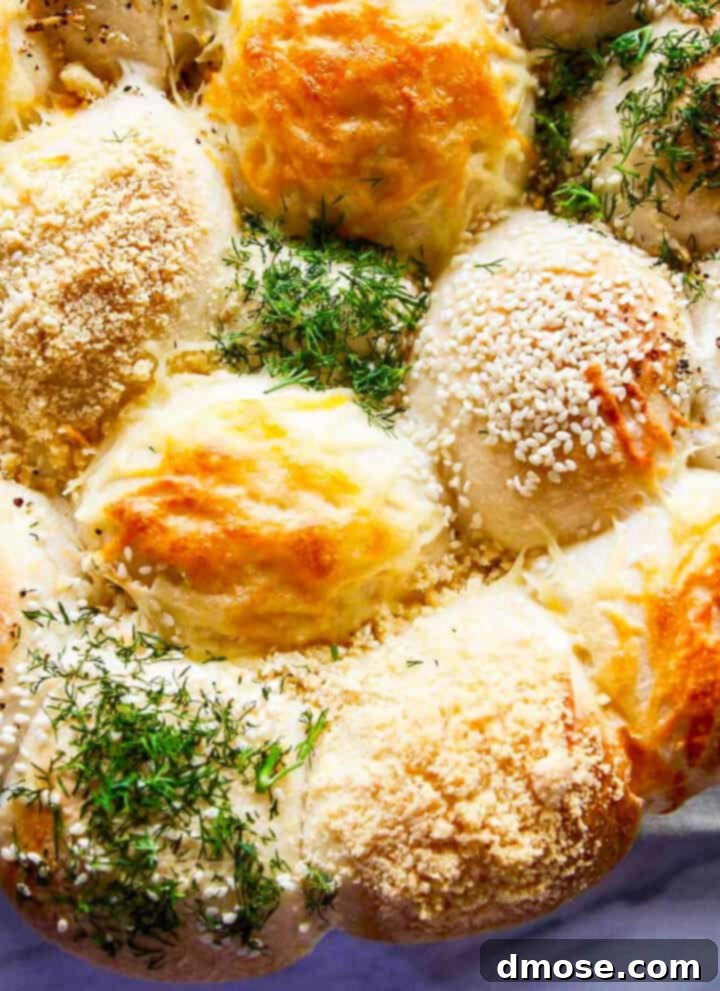
- Dinner Rolls: Whether Cheddar Irish Bread, Brown Soda Bread, or our delightful party rolls, these are perfect for soaking up juices. Dinner Rolls
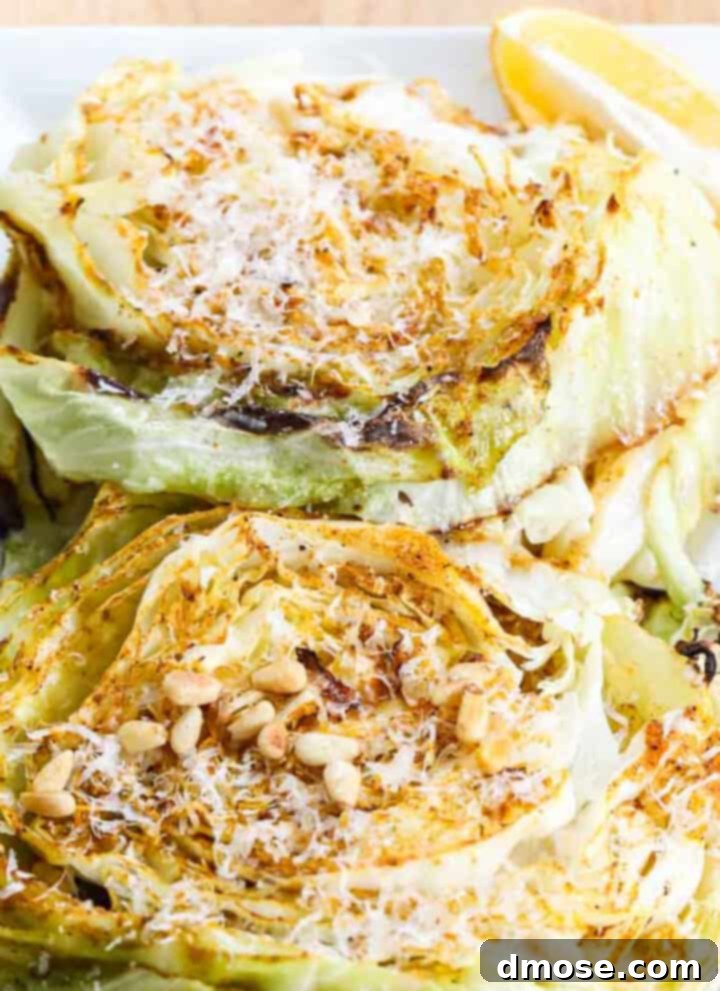
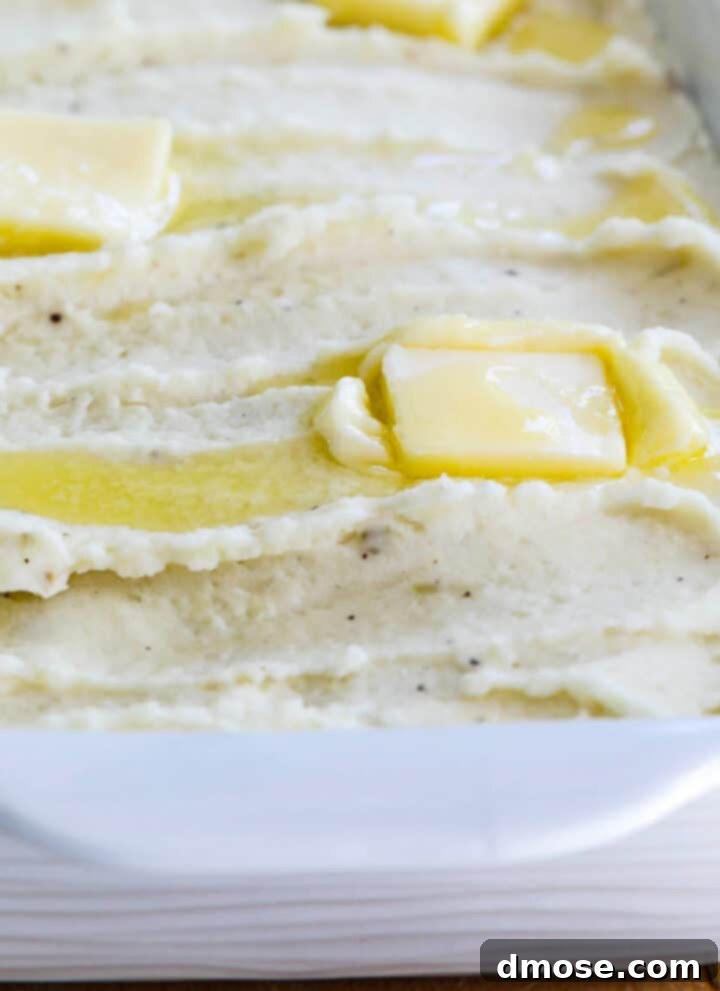

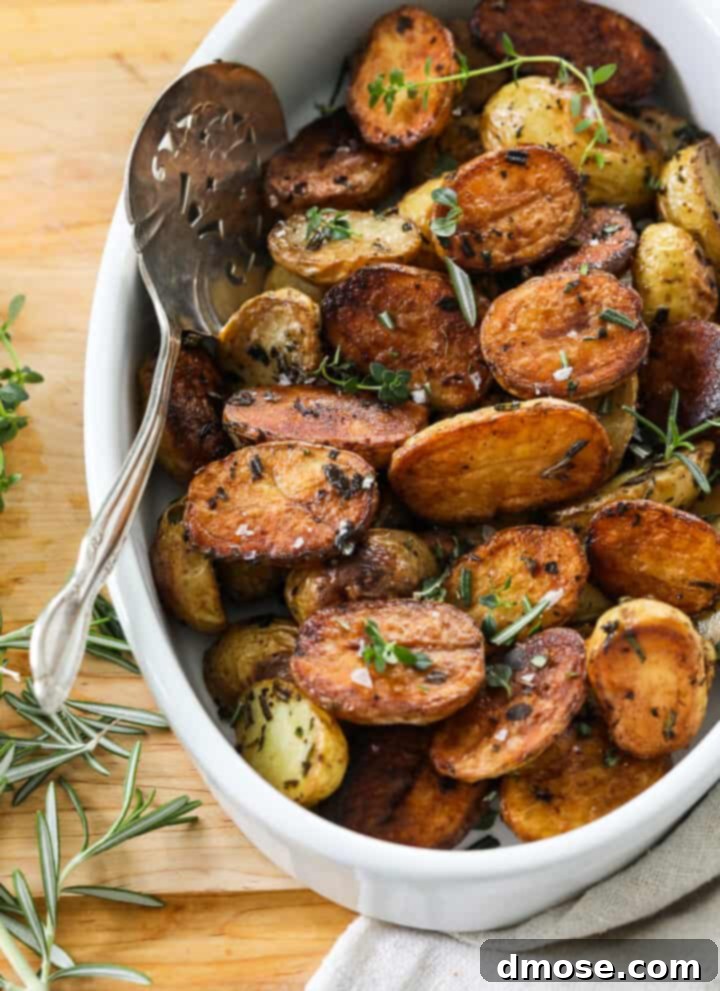
Round out your celebration with festive beverages:
- Green Cocktails: Serve some lucky and vibrant green cocktails to toast the occasion. Tipsy Leprechaun Green Cocktails
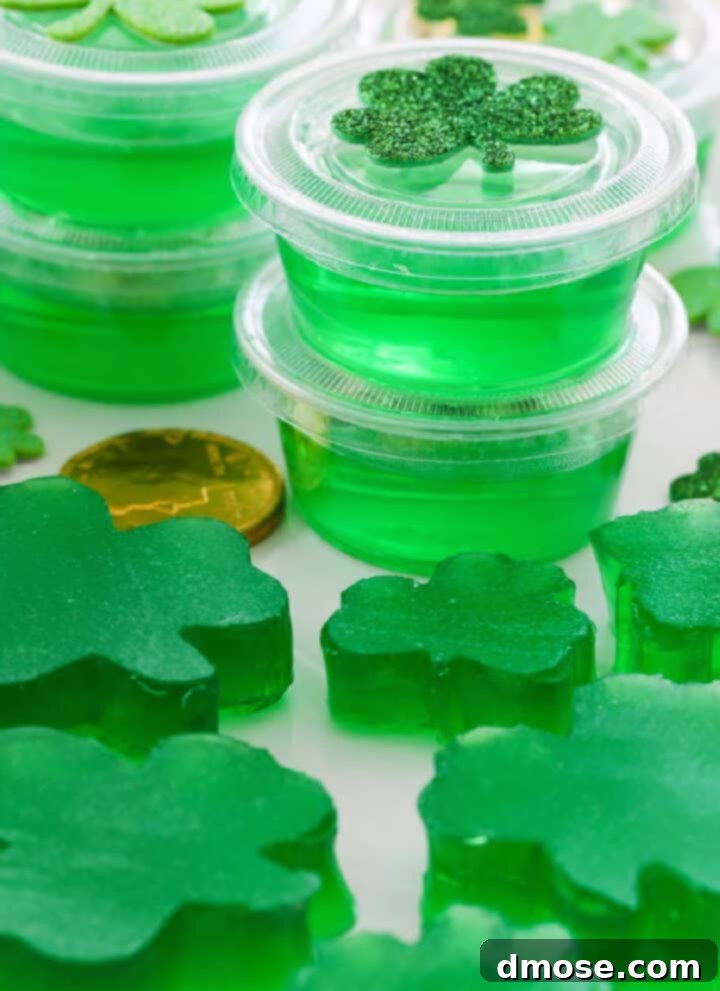
- Green Jello Shots & Jigglers: For a cheeky and fun treat, these are always a hit. Green Jello Shots & Jigglers
- Green Smoothie: Start your day with a healthy and energizing green smoothie. Green Smoothie Recipe
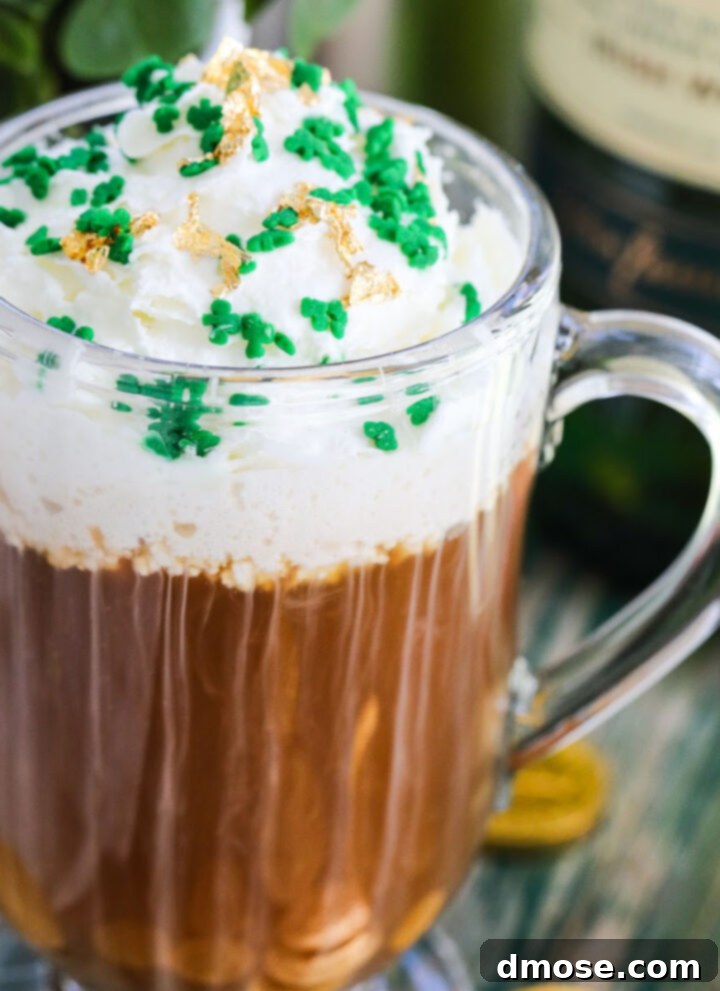
- Irish Coffee: End the festivities with a comforting Irish coffee, perhaps adorned with lucky green shamrock sprinkles and edible gold flakes, reminiscent of a pot of gold at the end of the rainbow! Irish Coffee With Baileys or Whiskey


CRAVING MORE?
Did you love this recipe? We would love to hear from you! If you make this recipe and love it, give it a 5-star rating ⭐⭐⭐⭐⭐ with a comment. THANK YOU!! Follow Delicious Table with my free newsletter and share this recipe with your friends on Facebook, Pinterest, and Instagram.
Print Recipe
Pin Recipe
Baked Corned Beef Brisket Recipe
Prep Time: 15 minutes
Cook Time: 3 hours
Total Time: 3 hours 15 minutes
Servings: 12
Calories: 314 kcal
Author: Lisa Hatfield
Equipment
- Roasting Pan
- Mini Basting Brush
- Digital Meat Thermometer
Ingredients
- 1 (3-5 lb) flat-cut corned beef brisket
- 1 (12 oz) Guinness dark beer (or 16 ounce pint, or beef stock/broth)
- 1-2 cups water
- ¼ cup Dijon mustard
- 3 tablespoons corned beef spices (pickling spices)
Instructions
- Make homemade pickling spice (see recipe below). Set aside.
- Preheat the oven to 350 degrees Fahrenheit (175°C).
- Unwrap the beef brisket, and rinse the raw corned beef thoroughly under cool water several times to remove excess salty brine. Pat dry completely. Discard any pre-packaged spice packet if using homemade spices.
- Place the whole brisket in a large roasting pan or baking dish with the fat cap side up.
- Brush ¼ cup of Dijon mustard evenly on top of the beef. Then, sprinkle 3 tablespoons of the spice mix (or seasoning packet if using) over the entire brisket, ensuring even coverage.
- Pour the dark stout beer around the meat. If substituting, use beef stock or beef broth. Add enough water so that the cooking liquid reaches approximately 1 inch high around the side of the meat.
- Bake in the preheated oven for approximately 45 minutes per pound, which usually amounts to about 3 hours. Check a small piece to ensure it is fork-tender. The internal temperature of the meat should be at least 145 degrees Fahrenheit (63°C). Discard the contents of the pan, as the pan juices will contain rendered fat and salty brine.
- After 1 ½ hours of cooking, check the liquid level in the roasting pan. If it appears low, add another cup of water (or stout/beef stock) to maintain adequate braising liquid.
- Once cooked, carefully move the brisket to a cutting board when it’s cool enough to handle. Allow it to rest for 20-30 minutes.
- Slice the meat at a 90-degree angle (perpendicular) against the grain of the meat into ¼-inch thick slices.
- Arrange the larger pieces of sliced corned beef on a warm platter with root vegetables such as roasted cabbage steaks, glazed carrots, and roasted potatoes. Serve with horseradish cream sauce, Irish soda bread with butter, and a Guinness stout beer!
- Any leftovers should be refrigerated within 2 hours of cooking. Store sliced and well-wrapped in plastic wrap or in a sealed container. Consume cooked or leftover corned beef within 3 to 4 days for optimal food safety. Reheat leftovers to an internal temperature of 165 °F (74°C) as measured with a meat thermometer.
Notes
How To Tell If Done?
Corned beef may still be pink in color after cooking, due to the nitrites in the curing process. The best way to know if your brisket is cooked is to slice off a small piece and make sure it is tender to chew.
Allow the brisket to stand for about 20 minutes after removing it from the heat. This makes it easier to slice, and it is best sliced across the grain of the meat.
Leftover Ideas
Leftovers can be covered with aluminum foil and kept in the fridge. The next day, prepare deli-style Reuben sandwiches (corned beef sandwiches) on toasted bread with melted Swiss cheese, and for dinner, bake a cheesy casserole of Reuben mac and cheese. Roll up some crispy egg rolls with diced brisket and sauerkraut. Make sliders with Swiss cheese and sauerkraut. Top hot baked potatoes with diced meat, melted cheddar cheese, sauerkraut, and 1,000 island dressing.
Top Cooking Tips
- Do not add any additional salt like pink salt, kosher salt, or table salt. The brine adds quite enough saltiness!
- The cooking times in this recipe are based on beef that is not frozen at the time of cooking.
- Cook to a minimum internal temperature of 145 °F (63°C) as measured with a meat thermometer before removing meat from the oven.
Make It Ahead
Cook in advance, and chill the day before serving. Chilled beef is easier to cut into nice slices and reheat in smaller portions for dinner.
It also allows you to easily prepare thin deli meat slices for use on Reuben sandwiches with rye bread, thousand island dressing, Swiss cheese, and sauerkraut.
Corned Brisket Seasoning Mix
- 1 tablespoon coriander seed
- ½ cinnamon stick
- 1 tablespoon dill seed
- 1 tablespoon whole allspice berries
- 1 teaspoon crushed red pepper flakes
- 5 dry bay leaves
- 1 teaspoon black peppercorns (pink, white, or mixed whole peppercorns all work!)
- 2 teaspoons yellow mustard seeds
Mix in a small bowl. It will store at room temperature in a small glass jar or airtight container for 3-4 months.
Optional Variations & Additions
2 star anise, 8 whole cloves, 4 juniper berries, 1 teaspoon ground ginger, or 2 cardamom pods.